Best Hair Care Products for Natural Hair: A Complete Guide 2026
Best Hair Care Products for Natural Hair: A Complete Guide to Moisture, Strength, and Healthy Curls
Natural hair is beautiful in every form, from loose waves and soft curls to tight coils and beautiful afros. However, keeping natural hair moisturized, manageable, and healthy can sometimes feel challenging. Dryness, tangles, frizz, and breakage may become frustrating, especially when your current products do not seem to give you the results you want.
The good news is that building a hair care routine does not have to be complicated or expensive. The key is choosing products that suit your hair texture, scalp condition, and everyday styling needs. A gentle shampoo, a nourishing conditioner, a leave-in moisturizer, and a suitable styling product can make a noticeable difference in how your hair feels and behaves.
In this guide, we will explore the essential products for natural hair, helpful ingredients to look for, and simple ways to build a routine that works for you. Whether you have loose curls or tightly coiled hair, these tips can help you make more confident choices without filling your bathroom shelf with unnecessary products.
Best Hair Care Products for Natural Hair: What Do You Really Need?
The right products depend on what your hair needs most. Some people need extra moisture because their strands feel dry, while others need lightweight formulas that reduce tangles without weighing their hair down.
You do not need to purchase every product available. Start with a few basics and add other treatments only when they serve a clear purpose.
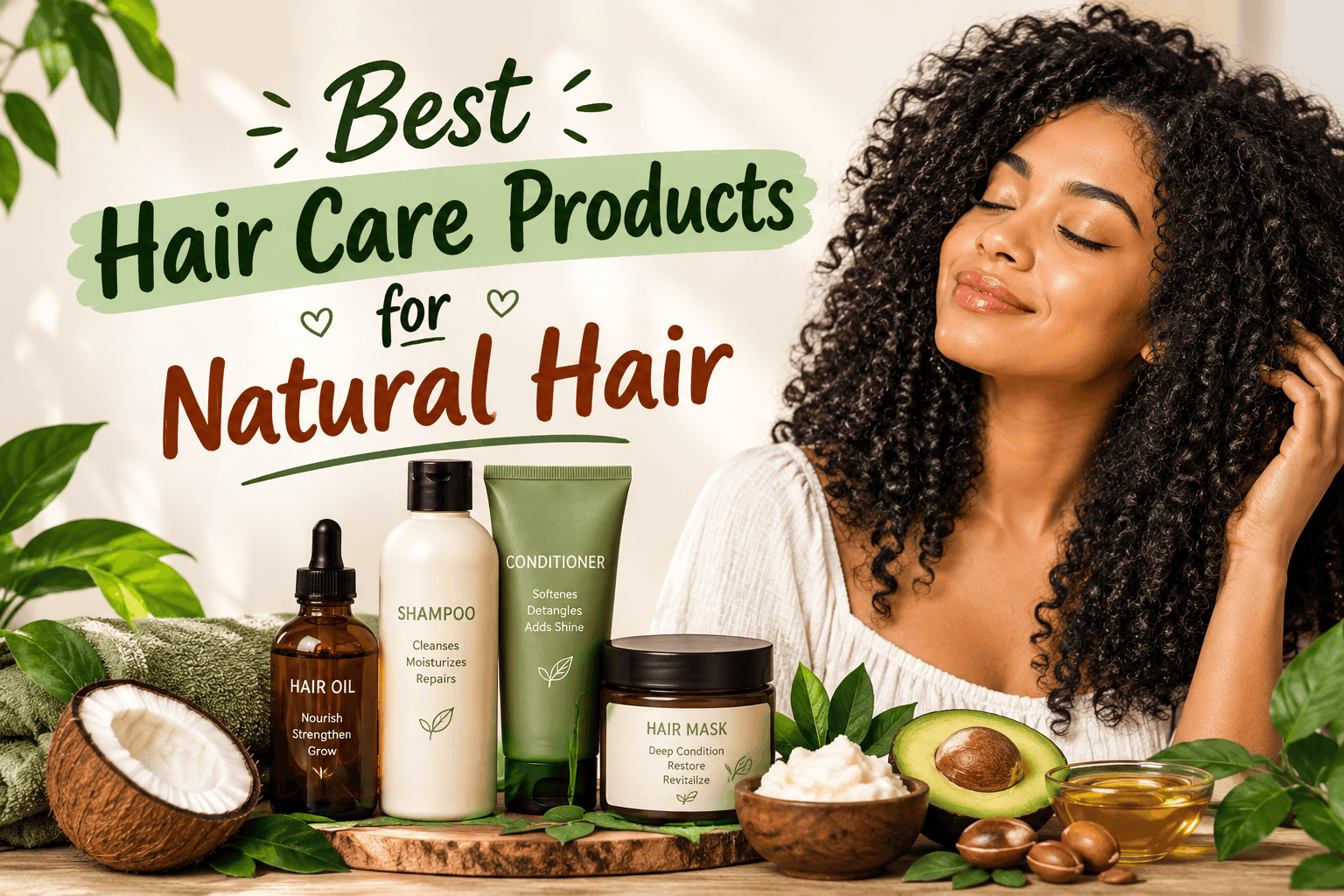
Here are the main products worth considering:
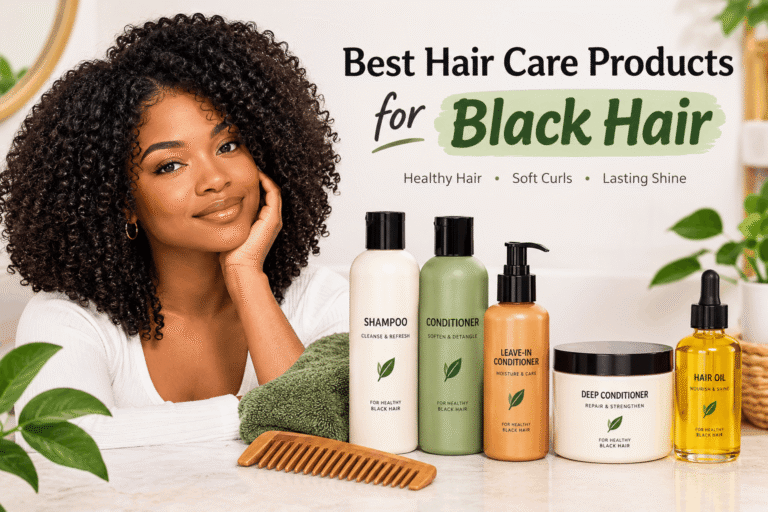
- Gentle shampoo: Cleans your scalp and removes dirt, sweat, excess oil, and styling residue.
- Rinse-out conditioner: Softens the hair and makes detangling easier after washing.
- Leave-in conditioner: Provides additional conditioning and helps manage frizz and knots between wash days.
- Deep conditioner: Offers a more intensive conditioning treatment when your hair needs extra softness and manageability.
- Curl cream or styling gel: Helps define curls, shape coils, and create your preferred hairstyle.
- Hair oil or serum: Can help smooth the hair, improve shine, and reduce friction during styling.
- Heat protectant: Helps reduce damage when using hot styling tools, provided the product is designed for that purpose.
You may not need all these products at once. For example, someone who prefers wash-and-go curls might benefit from a leave-in conditioner and styling gel, while someone who wears protective styles may prioritize cleansing, conditioning, and scalp care.
Choose Products Based on Your Natural Hair Type
One of the most common hair care mistakes is buying products simply because they work well for someone else. Natural hair varies widely in texture, strand thickness, density, and moisture needs. A product that feels perfect on one person’s curls may feel too heavy or too light on another’s hair.
Products for Loose Curls and Wavy Hair
Loose curls and waves can lose their shape when products are too heavy. If your hair becomes flat or greasy easily, choose lightweight conditioners, leave-in sprays, and styling creams.
A gentle shampoo and a rinse-out conditioner may be enough for regular washing. If you need extra definition, apply a small amount of lightweight curl cream to damp hair and finish with a flexible-hold gel.
Avoid applying large amounts of thick butter or oil-based products before understanding how your hair responds. You can always add more product later, but removing buildup may require another wash.
Products for Coil and Tightly Curled Hair
Tightly coiled hair can be more prone to tangling and breakage during handling. Richer conditioners, creamy leave-in products, and carefully selected styling creams may help make detangling and styling easier.
Look for formulas that provide slip, allowing your fingers or a wide-tooth comb to move through the strands more easily. Apply products in sections so that every area receives even coverage.
If your hair feels coated or heavy after styling, reduce the amount of product or choose a lighter formula. More product does not always mean more moisture.
Products for Fine or Low-Density Natural Hair
Fine strands can become weighed down by thick creams and heavy oils. Lightweight leave-in conditioners, liquid moisturizers, and flexible styling gels may be better choices.
Start with a small amount and focus on the areas that need conditioning. If your hair looks flat shortly after washing, try using fewer styling layers rather than adding another product.
Products for Thick or Dense Natural Hair
Thick or dense hair may benefit from richer conditioners and section-by-section application. Working in smaller sections helps distribute products evenly and reduces the chance of missing areas.
A creamy leave-in conditioner may provide useful slip, while a styling cream or gel can help maintain curl definition. Choose the amount based on your hair’s needs instead of relying on a fixed number of pumps or scoops.
Ingredients to Look for in Natural Hair Products
Reading ingredient labels can help you understand what a product is designed to do. You do not need to memorize every ingredient, but knowing a few common categories makes shopping easier.
Moisturizing and Conditioning Ingredients
Glycerin is a humectant that helps attract and retain water under suitable conditions. Aloe vera is often included in conditioning formulas, while ingredients such as cetyl alcohol and ceteary alcohol are fatty alcohols that can help soften hair and improve product texture. These are different from drying alcohols such as alcohol denat., which may behave differently in a formula.
Shea butter and plant oils can help soften strands and reduce friction. However, the best combination depends on your hair. A rich butter may feel comfortable on thick coils but too heavy on fine curls.
Look for products that leave your hair easier to manage rather than choosing ingredients simply because they are popular online.
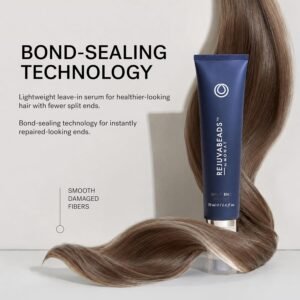
Oils for Shine and Smoothness
Argan, jojoba, and coconut oils are commonly used in hair care products. They can help condition the hair, improve the feel of dry lengths, and reduce friction during grooming.
Oil is not a replacement for every conditioning step. If your hair feels dry, applying more oil may not solve the problem on its own. Try a water-based moisturizer or conditioner first, then use a small amount of oil if it improves softness or helps seal the style.
Apply oils mainly to the lengths and ends when appropriate, and avoid overloading your scalp if it becomes oily or irritated easily.
Protein Treatments and Strengthening Products
Some conditioners and treatments contain hydrolyzed proteins that help improve the feel and manageability of damaged hair. These may be useful when hair has been exposed to heat, chemical treatments, or repeated mechanical stress.
However, not everyone needs a protein treatment. If your hair feels stiff or rough after using one, take a break and focus on regular conditioning. Follow the product instructions and avoid combining several intensive treatments without a clear reason.
Remember that no cosmetic product can permanently repair every type of hair damage. Consistent, gentle care is often more useful than repeatedly switching between strong treatments.
How to Build a Simple Natural Hair Care Routine
A good routine should fit your lifestyle and be easy to maintain. You do not need a complicated schedule with a different product for every day of the week.
Step 1: Cleanse Your Scalp Gently
Choose a shampoo that suits your scalp and hair type. Apply it mainly to the scalp and massage gently with your fingertips rather than scratching with your nails.
Let the lather rinse through the lengths instead of aggressively rubbing the hair together. If you use gels, creams, oils, or other styling products frequently, you may need to cleanse more thoroughly to remove buildup.
How often you wash depends on your scalp, activity level, and styling routine. There is no single schedule that suits everyone. The American Academy of Dermatology offers additional healthy hair care tips on choosing products, washing, detangling, and reducing damage.
Step 2: Apply Conditioner and Detangle Carefully
After shampooing, apply a rinse-out conditioner according to the product instructions. Concentrate on areas that become dry or tangled, and allow the conditioner to sit for the recommended time.
If your hair tangles easily, divide it into manageable sections. Use your fingers or a wide-tooth comb, beginning at the ends and gradually working toward the roots. Avoid pulling through stubborn knots.
Natural hair can be more fragile when wet, so gentle handling matters. Take your time rather than trying to detangle everything in a hurry.
Step 3: Add a Leave-In Conditioner
A leave-in conditioner can help improve softness, reduce frizz, and make styling easier. Apply it to damp hair in small amounts, distributing it through the lengths and ends.
Choose a spray or lightweight lotion for finer hair, or a cream formula if your hair needs more conditioning. Follow the directions on the label, and avoid applying excessive amounts directly to the scalp.
If your hair still feels weighed down after drying, reduce the amount next time or try a lighter product.
Step 4: Style According to Your Goals
Your styling product should match the finish you want. Curl creams can provide softness and definition, while gels generally offer more hold. Mousses may work well when you want volume without a heavy feel.
Apply products in sections and use your preferred technique, such as scrunching, finger-coiling, or smoothing. Let your hair dry with minimal disturbance if you want to preserve curl definition.
You can also experiment with braids, twists, or other low-manipulation styles. Choose techniques that feel comfortable and do not pull tightly on your hairline.
Deep Conditioners, Hair Masks, and Scalp Care
Deep conditioners and hair masks can be helpful when your hair feels dry, tangled, or difficult to manage. They are not necessarily required after every wash, but they may be useful as part of your routine when regular conditioner is not enough.
Choose a product formulated for your hair type and follow its instructions. Apply it evenly, allow the recommended processing time, and rinse as directed. Leaving a product on longer than recommended does not automatically improve the result.
Scalp care is equally important. If your scalp feels oily, choose a cleansing routine that removes excess residue without causing persistent dryness or irritation. If you experience ongoing itching, painful bumps, heavy flaking, or unusual hair loss, consider consulting a qualified dermatologist rather than trying multiple new products.
Avoid applying heavy oils to your scalp simply because they are marketed as natural. Plant-based ingredients can still irritate some people, and a product labelled “natural” is not automatically suitable for every scalp.
Styling Products That Help Define Natural Curls
Once your hair is clean and conditioned, styling products can help you achieve different finishes.
Curl creams are useful when you want softness and a more conditioned feel. They can work well for twist-outs, braid-outs, and wash-and-go styles, depending on the formula.
Styling gels offer hold and can help curls keep their shape as they dry. Some gels create a temporary cast that feels firm at first. If the instructions allow, gently scrunching the fully dried hair may soften that cast.
Mousses and foams can be useful when you want lightweight definition or added volume. They may be especially appealing if thick creams make your hair feel heavy.
Edge-control products can smooth short hairs around the hairline for selected styles. Use them sparingly and avoid hairstyles that cause repeated pulling or discomfort.
When combining products, start with two or three rather than layering everything at once. If your hair feels sticky, dull, or coated, clarify your routine by reducing the number of products and checking whether buildup is contributing to the problem.
Common Hair Care Mistakes to Avoid
Even good products can disappoint when the routine around them is not working. A few small changes can help you get better results.
Buying products without considering your texture: A product designed for very dry, dense coils may be too rich for fine curls. Read the label and test how the formula behaves on your own hair.
Using too much oil: Oil can improve smoothness, but excessive amounts may leave hair greasy or contribute to buildup. Start small and adjust gradually.
Detangling aggressively: Pulling through knots can cause avoidable breakage. Use conditioner, work in sections, and begin at the ends.
Ignoring your scalp: Product buildup, sweat, and excess oil can affect how your scalp feels. Choose a cleansing routine that meets your needs instead of relying only on oils and leave-in products.
Using heat without protection: Frequent high heat can damage hair. Reduce unnecessary heat styling, use a suitable heat protectant, and follow the product directions.
Changing your entire routine too quickly: Trying several new products at once makes it difficult to identify what works. Introduce one product at a time and observe how your hair responds over several uses.
Expecting products to solve every problem: Hair care products can improve softness, appearance, and manageability, but they cannot address every cause of breakage or hair loss. Persistent concerns may require professional advice.
Frequently Asked Questions
What products should beginners use for natural hair?
Start with a gentle shampoo, a rinse-out conditioner, and one styling product that suits your hair texture. Add a leave-in conditioner if you need extra softness or easier detangling. You can introduce a deep conditioner or other treatment later if your hair needs it.
How often should I wash natural hair?
It depends on your scalp, hair texture, lifestyle, and the products you use. Wash when your scalp needs cleansing and adjust the frequency if you notice buildup, persistent dryness, or irritation. Follow the directions for any specialized shampoo.
Is leave-in conditioner necessary for natural hair?
Not everyone needs one, but it can be helpful for dry, curly, tangled, or difficult-to-manage hair. Choose a formula suited to your texture and apply a modest amount to the lengths and ends. A rinse-out conditioner and a leave-in conditioner serve different purposes.
Are natural oils enough to moisturize hair?
Oils can help soften hair and reduce friction, but they are not always enough on their own. Many routines work better when a suitable conditioner or water-based moisturizing product is used first. The ideal combination depends on your hair’s response.
How can I reduce breakage while styling natural hair?
Detangle gently, work in sections, use enough conditioner for slip, and avoid hairstyles that pull tightly on your scalp. Limit unnecessary heat and handle wet hair carefully. If breakage continues despite gentle care, seek professional advice to identify possible causes.
Final Thoughts
Healthy-looking natural hair does not require an overflowing collection of products or a complicated routine. The best approach is to understand your hair’s needs, choose formulas that support those needs, and handle your strands gently throughout washing, detangling, and styling.
The best hair care products for natural hair are the ones that help your hair feel clean, conditioned, manageable, and comfortable without leaving unwanted buildup. Start with a few reliable basics, pay attention to how your hair responds, and make changes gradually.
With a consistent routine and products suited to your texture, you can enjoy your natural curls, coils, or waves while making everyday hair care simpler and more enjoyable.