Best Makeup Remover Wipes for Sensitive Skin: A Complete Guide
Best Makeup Remover Wipes for Sensitive Skin: What to Look For
Taking off your makeup should feel like the end of a long day, not another skincare problem to deal with. But if your face often feels tight, itchy, or red after cleansing, you know how frustrating it can be to find a product that works comfortably.
The problem is not always the makeup itself. Sometimes, the wipe you use to remove it contains an ingredient your skin dislikes. In other cases, rubbing too hard or using the same wipe repeatedly can leave your face feeling sore. Even products marketed for delicate skin may not work for everyone.
The good news is that you have options. A little attention to ingredients, texture, and cleansing habits can make makeup removal much more comfortable.
When shopping for the best makeup remover wipes for sensitive skin, focus on what your skin actually needs instead of choosing a product simply because its packaging makes big promises. This guide will help you understand what to look for, which ingredients deserve extra attention, and how to remove makeup without making your skin feel worse.
Why Makeup Removal Can Be Difficult for Sensitive Skin
Sensitive skin tends to react more easily to certain ingredients, changes in temperature, and physical friction. You might notice redness around your cheeks, dryness near your mouth, or a stinging feeling after washing your face.
Makeup removal can add to that discomfort, especially when a wipe does not lift makeup easily. Rubbing harder may seem like the quickest solution, but it can create more friction than your skin needs.
The skin around your eyes also deserves extra care. It is delicate, and pulling at the eyelids or rubbing the lashes repeatedly can leave the area uncomfortable.
There is another thing to remember: sensitive skin can have different causes. Dryness, allergies, eczema, rosacea, and contact dermatitis may all make the skin more reactive. If you experience frequent irritation, choosing gentler products may help, but it is also worth discussing persistent symptoms with a dermatologist.
What Makes a Makeup Remover Wipe a Good Choice?
You do not need a complicated formula to remove everyday makeup. What matters is whether the product cleanses effectively without causing unnecessary discomfort.
Choose fragrance-free formulas
Fragrance is worth checking carefully if your skin often reacts to skincare products. Some people tolerate fragranced products without any trouble, while others develop redness, itching, or a rash.
Look for the words fragrance-free on the packaging. Do not assume that unscented means exactly the same thing, because an unscented product may contain ingredients used to mask other smells.
Fragrance-free does not automatically mean irritation-free, though. Other ingredients can also cause a reaction, so it is important to read the complete ingredient list.

Pay attention to the wipe’s texture
A wipe should feel soft against your face. If the material is rough, scratchy, or difficult to move across the skin, it may encourage you to rub harder than necessary.
Soft wipes are especially useful around the cheeks and eyes, where repeated friction can become uncomfortable. If a product falls apart or leaves fibers behind, consider trying another option.
You should not have to scrub your face to remove ordinary foundation or powder. If the wipe is not doing its job, switching to a different remover is often a better idea than applying more pressure.
Look for ingredients that support comfort
Some formulas contain glycerin, which helps attract water and can leave skin feeling less dry. Others include moisturizing ingredients that help reduce the tight feeling people sometimes experience after cleansing.
However, a long ingredient list is not necessarily a sign of a better product. A simple formula that suits your skin may be a more practical choice than one packed with ingredients you do not need.
Pay attention to how your face feels after using a product. If it regularly leaves your skin burning or uncomfortable, stop using it rather than hoping your skin will eventually adjust.
Check the product’s intended use
Not every facial wipe is suitable for removing eye makeup. If you wear mascara or eyeliner, make sure the product is specifically intended for use around the eyes.
Read the instructions, too. Some wipes are designed as a quick cleansing step, while others may recommend rinsing afterward. Following those directions can help you use the product as intended.
Ingredients That May Not Suit Sensitive Skin
Everyone’s skin is different, so there is no single list of ingredients that every person must avoid. Still, knowing what may trigger irritation can make shopping easier.
Fragrance and essential oils: These ingredients can cause irritation or allergic reactions in some people. Products with floral or botanical scents are not automatically gentler than unscented alternatives.
Certain alcohols: Some formulas contain alcohols that may contribute to dryness or irritation. However, not all ingredients described as alcohol behave in the same way. Consider the complete formula and your personal experience rather than avoiding every ingredient with the word in its name.
Exfoliating acids: Ingredients such as glycolic acid and lactic acid are used in some skincare products to exfoliate the skin. They are not usually necessary for basic makeup removal and may be uncomfortable if your skin is already irritated.
Ingredients you have reacted to before: If a particular preservative, botanical extract, or cleansing ingredient has caused a problem in the past, check the label before buying another product. Manufacturers may also change formulas, so it is worth reviewing ingredients again when you repurchase something.
If a wipe causes burning, itching, swelling, or a rash, stop using it. Continuing to apply a product that irritates your skin is unlikely to improve the situation.
Different Types of Makeup Remover Wipes to Consider
There is no single product type that works best for every person. Your makeup routine, skin condition, and personal preferences all matter.
Fragrance-free cleansing wipes
These can be a sensible starting point if you want to keep your routine simple. They may remove everyday foundation, powder, blush, and other light makeup without leaving a noticeable fragrance behind.
Check that the wipe is soft and that the formula suits your skin. The words for sensitive skin can be helpful, but they should not replace checking the ingredients.
Hydrating wipes
If your face often feels tight after cleansing, you may prefer wipes containing moisturizing ingredients such as glycerin. These formulas can leave the skin feeling more comfortable than products that make it feel stripped.
Still, a hydrating label is not a guarantee that a product will suit everyone. Try a new formula cautiously, particularly if you have a history of skin reactions.
Micellar cleansing wipes
Micellar wipes use a cleansing solution designed to lift makeup and everyday impurities. They are convenient for travel, after the gym, or when you need a quick way to remove light makeup.
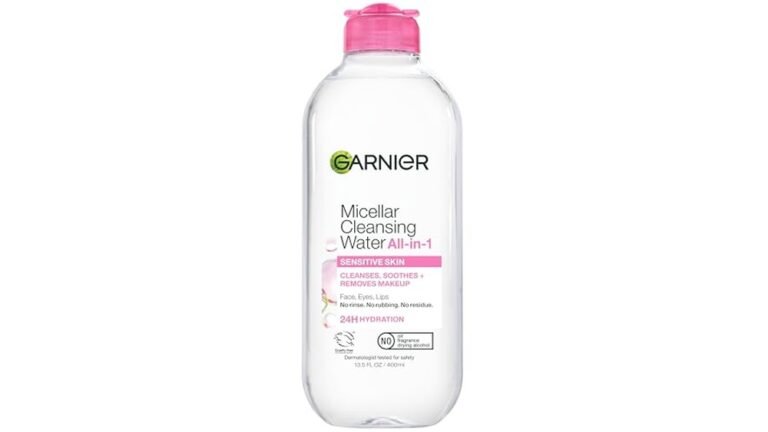
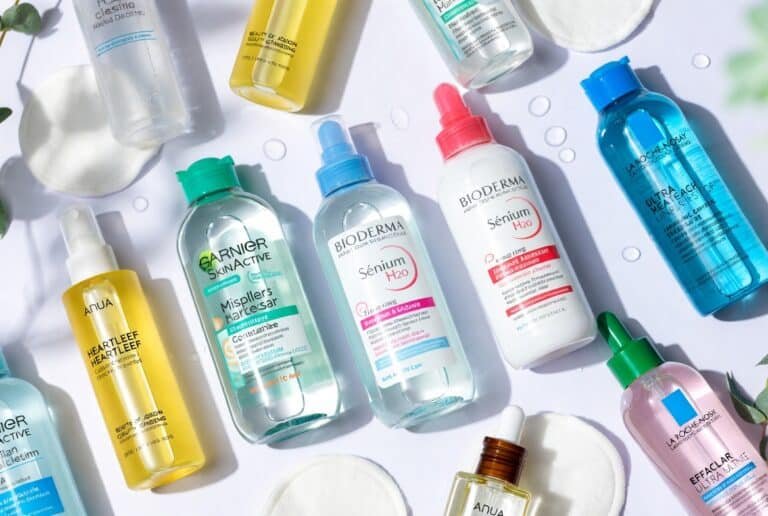
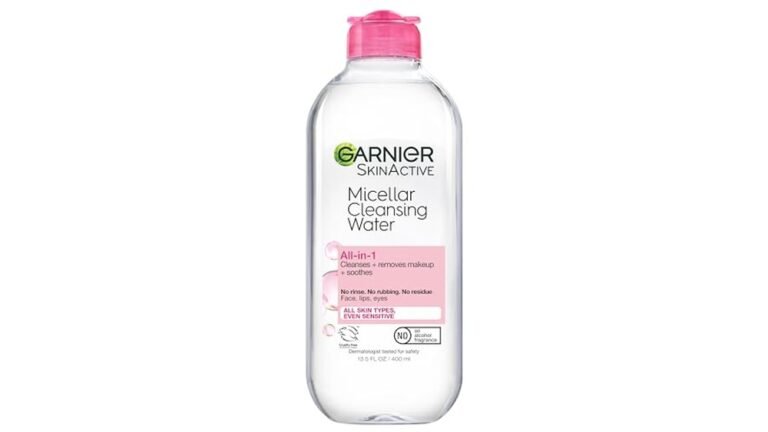
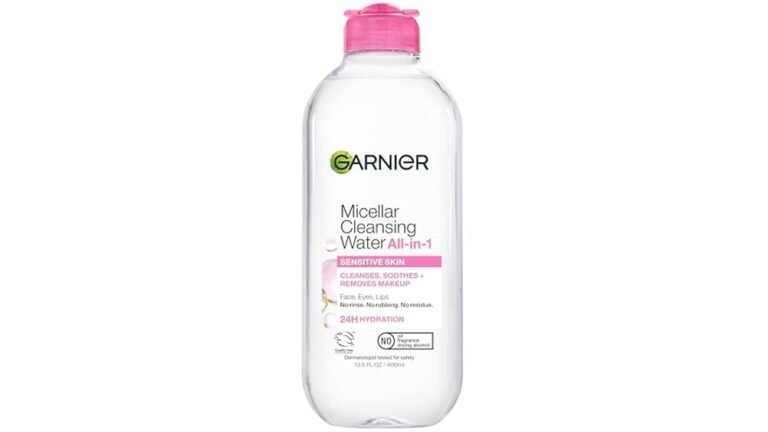
You can also use liquid micellar water with a soft cotton pad if you prefer more control over the amount of product and pressure. Neither format is automatically better; the right choice is the one that works comfortably for your skin.
Eye makeup remover wipes
Waterproof mascara and long-wearing eyeliner can be difficult to remove with ordinary facial wipes. A dedicated eye makeup remover may be more effective and reduce the need for repeated rubbing.
Choose a product intended for the eye area and follow its directions. Keep the remover out of your eyes, and never scrub your lashes to speed up the process.
Plant-based wipes
Some products use plant-derived fibers or highlight biodegradable materials. These features may appeal to shoppers who want to reduce waste.
However, the material used to make a wipe does not tell you whether its cleansing formula will suit your skin. Plant-based products can still contain fragrance or other ingredients that cause irritation. Consider environmental claims and skin compatibility separately.
How to Choose Wipes for Your Skin Type
Your skin’s usual condition can help you narrow down your choices.
Dry skin: Look for a soft, fragrance-free wipe and consider formulas with moisturizing ingredients. Avoid repeatedly wiping the same area, and follow cleansing with a moisturizer that suits your skin.
Oily skin: Choose a formula that removes makeup without leaving an uncomfortable residue. You do not need a harsh product to deal with excess oil. Over-cleansing can leave your face feeling dry even when your skin naturally produces plenty of oil.
Combination skin: A balanced, gentle formula may work well if your cheeks feel dry while your forehead and nose become oily. Notice how different areas respond rather than judging the product by one part of your face.
Acne-prone skin: Look for products labeled non-comedogenic if clogged pores are a concern. Makeup removal is only one part of acne care, so a gentle cleanser may still be useful after using a wipe.
Redness-prone skin: Keep your routine uncomplicated and avoid unnecessary rubbing. If redness appears regularly or does not improve when you stop using a suspected product, a dermatologist can help you work out what may be causing it.
How to Remove Makeup Without Making Your Skin Uncomfortable
The way you use a wipe can matter almost as much as the formula itself. A few small changes can make the process gentler.
Start with clean hands
Wash your hands before touching your face. This simple step helps prevent you from transferring dirt and other unwanted material to your skin while removing makeup.
Remove eye makeup carefully
If your wipe is suitable for eye makeup, gently hold it against your closed eyelid for a few seconds. This gives the remover time to loosen the makeup.
Then sweep the wipe away gently. Avoid pulling at your eyelids or rubbing your lashes back and forth. If waterproof mascara remains, use a dedicated eye makeup remover instead of increasing the pressure.
Work gently across your face
Move the wipe over your forehead, cheeks, nose, and chin using light strokes. Use a clean section of the wipe when possible.
If foundation or lipstick is not coming off easily, resist the urge to scrub. Try a different removal method or use a product designed for long-wearing makeup.
Follow with a gentle cleanser when needed
Wipes can be convenient, but they may leave behind makeup, oil, or cleansing residue. If you wear heavy makeup or sunscreen, following up with a mild facial cleanser can help complete your routine.
Use lukewarm water and your fingertips. Avoid hot water, rough washcloths, and vigorous scrubbing, especially when your face is already feeling sensitive.
Finish with moisturizer
After cleansing, gently pat your face dry with a clean towel. Apply a moisturizer that suits your skin, ideally one without fragrance if that ingredient tends to bother you.
You do not need to add several serums or treatments immediately afterward. When your skin is easily irritated, a simple routine is often easier to manage.
Are Makeup Remover Wipes Enough for Daily Use?
Wipes can be useful when you are travelling, staying away from home, or need a convenient way to remove makeup. They are not necessarily the best choice for every cleansing situation, though.
Long-wearing foundation, waterproof mascara, and layers of sunscreen may need a little more attention. If you have to use several wipes or rub your face repeatedly, a cleansing balm, cleansing oil, or liquid makeup remover may be a better fit.
Some people prefer using wipes as the first step and then washing with a gentle cleanser. Others find that micellar water on a soft cotton pad works better for their routine.
There is no need to force yourself to use wipes if they regularly leave your face feeling uncomfortable. Convenience matters, but it should not come at the expense of your skin’s comfort.
Mistakes to Avoid When Removing Makeup
A few common habits can make a gentle product less comfortable to use.
Rubbing too hard: More pressure does not always remove makeup more effectively. Give the formula time to loosen the makeup and use light movements.
Using a dirty wipe for too long: Once a wipe is covered in makeup, using it over and over may simply spread residue around. Use a fresh one when necessary.
Ignoring ingredient labels: Packaging claims cannot tell you whether every ingredient will suit your skin. Check for known triggers before trying a new product.
Going to bed with makeup on: Try to remove makeup before sleeping. If you are exhausted, choose a simple routine you can manage consistently rather than skipping cleansing altogether.
Trying several new products at once: If irritation develops, it can be difficult to identify the cause when you have changed your cleanser, moisturizer, and makeup remover at the same time. Introduce new products individually.
Assuming natural ingredients are always gentle: Plant extracts and essential oils can still cause reactions. Choose a product based on its ingredients and how your skin responds, not simply on whether it is described as natural.
How to Test a New Product Before Using It Regularly
Testing a new skincare product first can help you spot possible reactions before applying it across your face.
The American Academy of Dermatology recommends applying a product to a small test area twice daily for seven to ten days. For a product that normally needs to be rinsed off, follow the instructions and keep it on the test area only for the recommended time.
Watch for redness, itching, swelling, or other signs of irritation. If a reaction develops, gently wash the product off and stop using it.
A home test cannot guarantee that a product will never cause a reaction, and it should not involve putting the product directly into your eyes. If you have repeated or severe reactions, a dermatologist may help identify the cause.

Frequently Asked Questions
Can makeup remover wipes irritate sensitive skin?
Yes. Certain ingredients or repeated friction may cause discomfort. If you notice burning, redness, or itching after using a product, stop using it and consider another cleansing method.
Is fragrance-free better than unscented?
Fragrance-free is generally the clearer option if you are trying to avoid fragrance-related reactions. Unscented products may still contain ingredients that mask smells, so check the label carefully.
Can I use facial wipes to remove mascara?
Only use wipes labeled as suitable for the eye area. For waterproof mascara, a dedicated eye makeup remover may work better and reduce the need for rubbing.
Should I wash my face after using a wipe?
Often, a gentle cleanser is helpful, especially after heavy makeup or sunscreen. Follow the product’s directions and avoid cleansing so aggressively that your skin feels stripped.
What should I do if my skin burns after cleansing?
Stop using the product and gently rinse your face with lukewarm water if needed. Avoid adding potentially irritating treatments while your skin settles. Seek medical advice if the reaction is severe, persistent, or getting worse.
Final Thoughts
Finding a comfortable makeup-removal routine does not have to involve buying dozens of products. Start with a soft wipe, check the ingredient list, and avoid anything you already know irritates your skin.
The best makeup remover wipes for sensitive skin are not necessarily the most expensive or the ones with the longest list of ingredients. They are the products that remove makeup effectively without leaving your face feeling sore, tight, or uncomfortable.
Use a light touch, follow up with a gentle cleanser when appropriate, and apply a moisturizer that works for your skin. If wipes repeatedly cause irritation, switching to micellar water or another gentle remover may be a better choice.
Most importantly, pay attention to your skin instead of relying on marketing claims alone. If redness, itching, or swelling continues, ask a dermatologist for advice. A simple routine that suits your skin is far more useful than a complicated one that leaves it uncomfortable.