How to Fix Cakey Makeup: Expert Tips for Flawless Skin
How to Fix Cakey Makeup: only to find your makeup looking thick, heavy, or cracked? That cakey makeup effect can be frustrating, especially when you want a smooth, natural finish.
But don’t worry—fixing cakey makeup is easier than you think. By understanding why this happens and learning a few simple tricks, you can rescue your look and feel confident all day long. Ready to discover how to fix cakey makeup and get that flawless finish you deserve?
Keep reading, because these tips will change the way you apply makeup forever.
Why Makeup Becomes Cakey
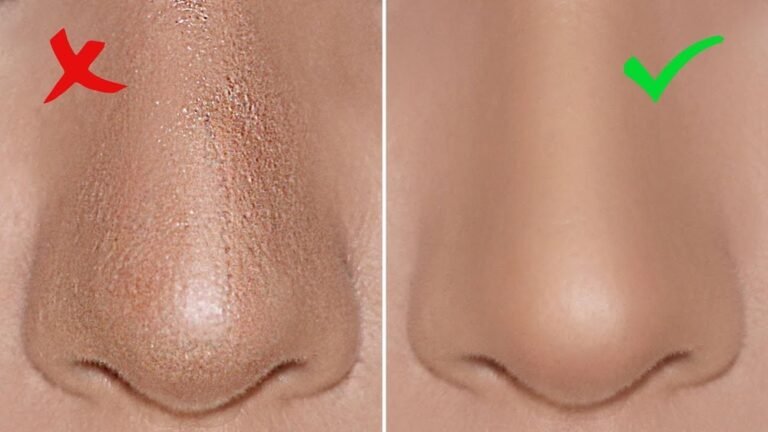
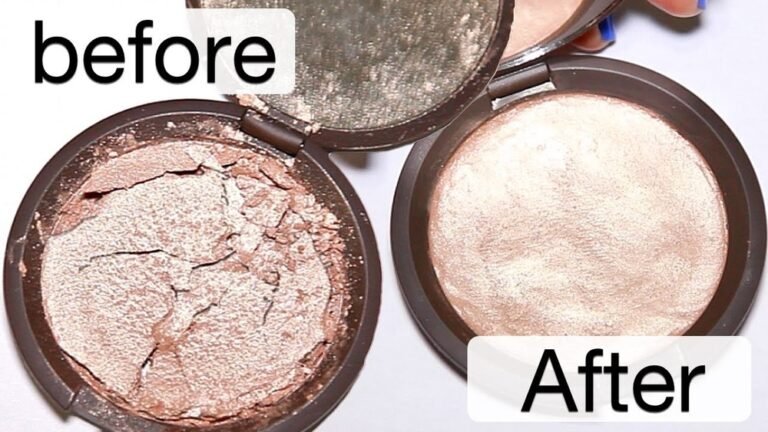
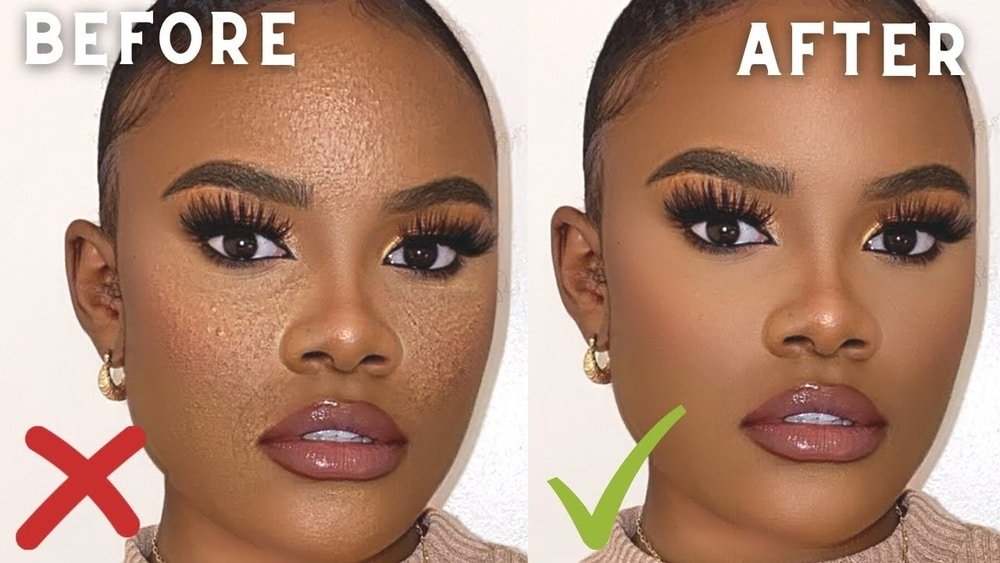
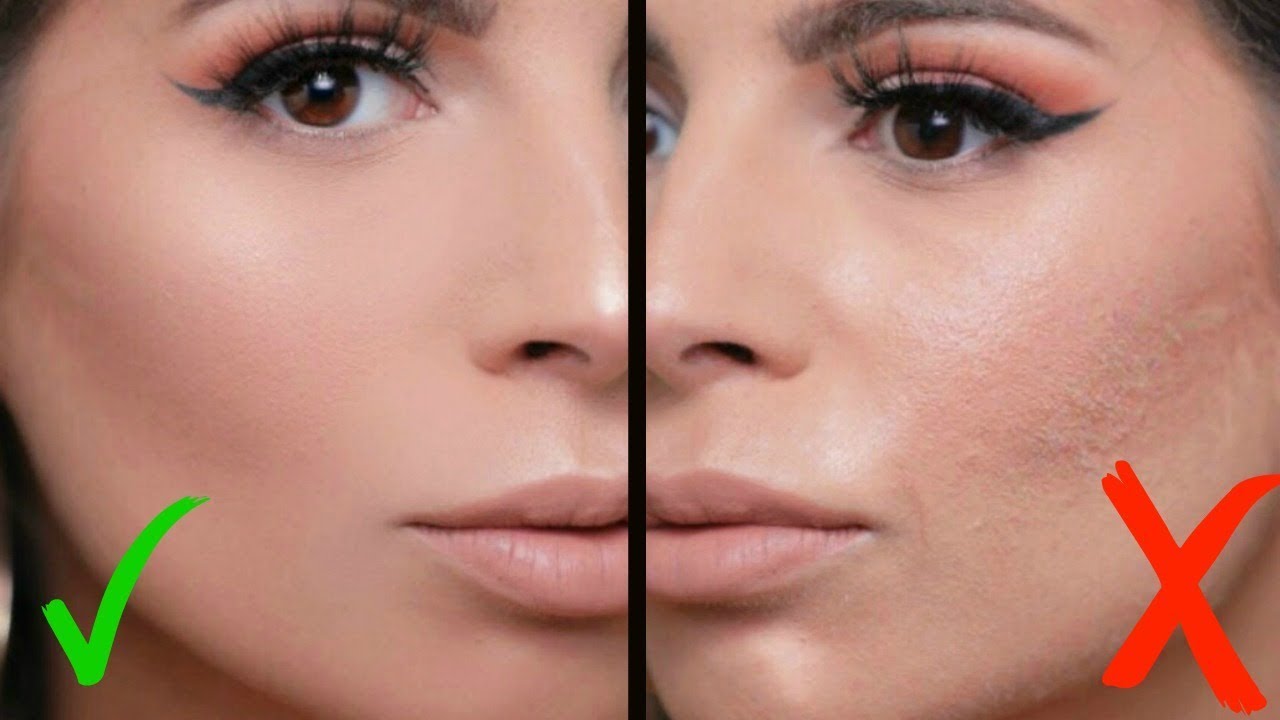
Makeup looks cakey when it appears thick and uneven on the skin. It hides natural beauty and makes the skin texture worse. Many factors cause cakey makeup, from skin condition to product choice. Understanding these reasons helps avoid cakey makeup and achieve a smooth finish.
Here are common causes that make makeup look cakey and how to recognise them.
Dry And Flaky Skin Effects
Dry skin makes makeup cling to rough patches. Flaky skin causes foundation to settle into cracks. This leads to uneven texture and visible flakes. Without moisture, makeup cannot blend well. Proper hydration and gentle exfoliation prevent dryness and improve makeup flow.
Overusing Foundation And Powder
Applying too much foundation or powder adds heavy layers to the skin. Thick layers block natural skin glow and create a mask-like effect. Overloading makeup products causes cakiness and makes pores more visible. Use thin layers and build coverage slowly for a natural look.
Skipping Skin Preparation
Not preparing skin before makeup causes cakey results. Clean, moisturised skin creates a smooth base. Skipping primer or moisturiser leads to patchy foundation. Proper skin prep helps makeup stick better and last longer. It also reduces dry spots and oil patches.
Mixing Incompatible Products
Using products that do not work well together causes makeup to break. Oil-based and water-based products can repel each other. This causes patchiness and uneven texture. Choose products with similar formulas for smooth blending and lasting wear.
Using Incorrect Tools
Applying makeup with the wrong tools creates streaks and clumps. Fingers can leave uneven layers. Old or dirty brushes spread makeup poorly. Using a damp beauty sponge or clean brush helps blend makeup evenly. Proper tools make a big difference in finish quality.
Prepping Skin For Smooth Makeup
Preparing your skin before applying makeup is key to a flawless finish. Clean, smooth skin helps makeup glide on evenly. It prevents patches and caking. Simple steps can make a big difference. Focus on exfoliation, moisture, and primer choice. Each step creates a better base for your makeup.
Exfoliation Techniques
Exfoliation removes dead skin cells that cause a rough texture. Use a gentle scrub or chemical exfoliant twice a week. Avoid harsh scrubs that irritate skin. Soft circular motions help clear away flakes. This step smooths the surface and reduces dryness. It makes the foundation apply evenly and last longer.
Moisturizing Essentials
Moisturising hydrates skin and prevents dryness under makeup. Choose a moisturiser suited to your skin type. Apply it to clean skin and allow it to absorb fully. Dry skin causes foundation to cling and look patchy. Well-moisturised skin feels soft and looks fresh. It creates a smooth canvas for the foundation.
Choosing The Right Primer
Primer acts as a base to hold makeup in place. Pick one that matches your skin needs, like mattifying for oily skin or hydrating for dry skin. Apply a thin layer after moisturising. Primer fills in pores and fine lines. It helps the foundation spread evenly and reduces a cakey appearance. A good primer improves makeup wear and finish.
Applying Foundation Flawlessly
Applying foundation flawlessly is key to avoiding cakey makeup. A smooth base creates a natural, fresh look. The right tools and techniques make a big difference. Take your time and build coverage slowly. Proper application ensures even skin tone without heavy patches.
Using Damp Beauty Sponges
Damp beauty sponges help blend foundation seamlessly. The moisture prevents the product from sitting on top. Press the sponge gently into the skin. Avoid dragging or wiping motions. This method creates a smooth, airbrushed finish. It also helps control the amount of foundation applied.
Layering With Spot Concealing
Apply foundation in thin layers first. Use spot concealing only on problem areas. This technique avoids piling too much product on the face. Dab concealer lightly and blend well. Layering keeps the skin looking natural. It also prevents cakey buildup in one place.
Avoiding Excess Product
Use only the foundation amount needed for coverage. Excess product leads to patchy, cakey skin. Start with a small amount and add more if needed. Focus on areas that need coverage. Keep the rest of the face light and fresh. This approach keeps the makeup breathable and smooth.
Fixing Cakey Makeup Instantly
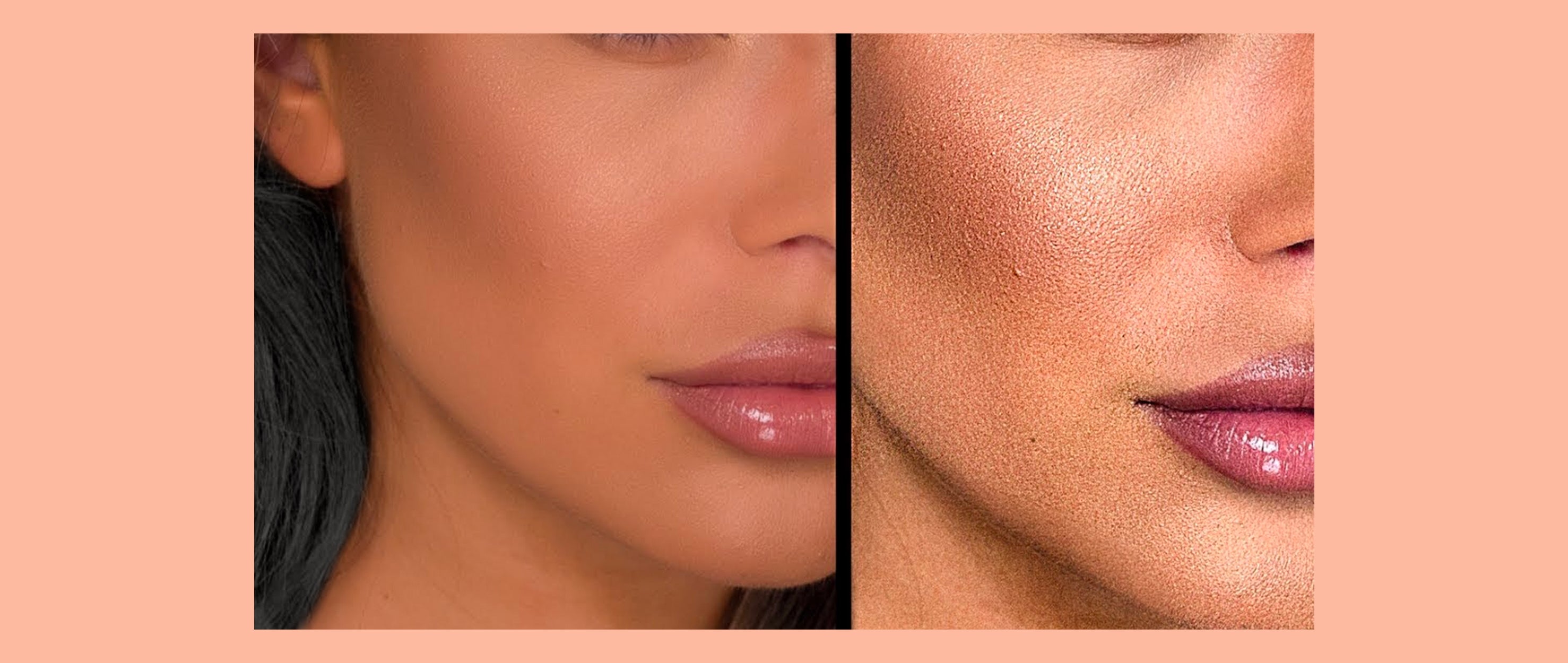
Cakey makeup can ruin your look quickly. Fixing it instantly saves time and boosts confidence. Small steps make a big difference. Here are easy ways to fix cakey makeup fast.
Blending With Fingers And Sponges
Use your fingers to warm the product on your skin. This helps makeup melt and blend smoothly. Next, take a damp makeup sponge. Gently press the sponge on cakey areas to even out the texture. Avoid rubbing harshly. Pressing helps makeup settle and look natural again.
Removing Excess Powder
Too much powder causes cakey makeup. Use a clean, fluffy brush to dust off extra powder. Focus on areas with thick buildup. This removes the heavy look without ruining your base. Less powder means a fresher finish.
Refreshing With Setting Sprays
Setting spray brings life back to cakey makeup. Hold the spray 8-10 inches from your face. Mist lightly and evenly. The spray moistens dry areas and melts powders into the skin. Let it air dry for a smooth, natural finish. This step helps makeup last longer, too.
Tools That Improve Makeup Finish
Using the right tools greatly improves your makeup finish. Tools help apply the foundation smoothly and avoid a cakey texture. Choosing good brushes or sponges and using them properly makes a big difference. Keeping tools clean also prevents uneven application and skin problems.
Choosing Brushes Vs. Sponges
Brushes give precise control and fuller coverage. Use dense, flat-top brushes for liquid foundation. Sponges offer a natural, airbrushed look. Damp sponges help blend foundation evenly without excess product. Select tools based on your skin type and desired finish.
Maintaining Clean Tools
Dirty brushes and sponges cause patchy makeup and breakouts. Clean tools at least once a week. Use gentle brush cleansers or mild soap and water. Let them dry completely before use. Clean tools improve product application and skin health.
Techniques For Even Application
Start with a small amount of product. Apply foundation in thin layers. Use tapping or bouncing motions with a sponge. Brush with light, circular strokes for smooth blending. Build coverage slowly to avoid cakey buildup. Finish by gently pressing makeup into the skin for a natural look.
Avoiding Cakey Makeup Daily
Avoiding cakey makeup daily ensures a fresh, natural look all day. Cakey makeup appears when too much product builds up on the skin. It can make your face look dry and uneven. Simple habits and smart choices help keep your makeup smooth. Follow these tips to maintain a flawless finish every day.
Step-by-step Routine Tips
Start with clean, moisturised skin. Use a lightweight moisturiser that suits your skin type. Apply a primer to create a smooth base. Choose liquid foundation over thick creams for better blending. Apply foundation in thin layers, building coverage slowly. Use a damp beauty sponge or brush to blend well. Add powder only where needed, like the T-zone. Finish with a setting spray to lock makeup in place.
Balancing Liquid And Powder Products
Too much powder causes cakey makeup. Use liquid and powder products in balance. After applying liquid foundation, let it set for a minute. Then lightly dust powder on oily areas only. Avoid powder on dry patches to prevent flaking. Use finely milled powders for a natural finish. Less is more with powder to keep skin looking fresh.
Time Management For Blending
Blending takes time but improves makeup appearance. After applying each product, spend a few seconds blending. Use gentle, patting motions rather than rubbing. Blending helps products melt into the skin. Wait a moment before applying the next layer. Rushing causes uneven, cakey layers. Good blending creates a smooth, natural makeup finish.
Troubleshooting Common Issues
Fixing cakey makeup can feel tricky without the right approach. Understanding common problems helps improve your makeup look. This section breaks down key issues and how to solve them. Follow these tips to enjoy smooth, natural makeup every day.
Dealing With Creasing And Cracking
Creasing happens when foundation gathers in fine lines. It makes skin look dry and uneven. To stop creasing, use a lightweight primer before foundation. Apply thin layers of foundation and blend well. Avoid applying too much powder, which can cause cracking. Use a damp beauty sponge to press makeup into the skin. Setting sprays help lock makeup in place and reduce cracks.
Handling Dry Patches
Dry patches make foundation stick unevenly. They create flaky, rough areas on the face. Hydrate skin with a rich moisturiser before makeup. Exfoliate gently to remove dead skin cells. Choose creamy or hydrating foundations for dry skin. Avoid powder-heavy products, which highlight dryness. Blend foundation carefully with a damp sponge to smooth dry spots.
Adjusting For Different Skin Types
Oily skin needs mattifying products to reduce shine. Use oil-free primers and foundations that control oil. Dry skin requires moisturising formulas to prevent flaking. Combination skin needs a balance of both. Apply powder only on oily areas, like the T-zone. Customise your routine by understanding your skin type. This helps you avoid cakey makeup and look fresh.

Frequently Asked Questions
Is There A Way To Fix Cakey Makeup?
Fix cakey makeup by gently pressing a damp beauty sponge to blend and thin layers. Use less product and moisturise skin well before applying.
How To Avoid Cakey Makeup Step By Step?
Prep skin by exfoliating and moisturising well. Apply a thin layer of liquid foundation. Blend thoroughly using a damp beauty sponge. Use powder sparingly, only where needed. Finish with a setting spray or facial mist for a smooth, natural finish.
How Do I Make My Foundation Look Smooth?
Prep skin by moisturising and applying an oil-free primer. Use a damp beauty blender or brush to blend foundation evenly. Apply thin layers, building coverage gradually for a smooth, natural finish.
Why Does Makeup Turn Cakey?
Makeup turns cakey due to dry skin, excess product, poor skin prep, wrong product layering, or improper tools. Proper hydration and blending prevent it.
Conclusion
Fixing cakey makeup starts with good skin care and product choice. Use a small amount of foundation and blend well with a damp sponge. Avoid layering too many products to keep your look fresh and natural. Remember to hydrate your skin and prep it properly before applying makeup.
Take your time blending, and your makeup will appear smooth and even. These simple steps help you enjoy flawless makeup without the heavy, cakey feel. Keep practising, and your makeup skills will improve every day.