
Best Milk for Gut Health: Top Picks to Boost Digestion Naturally
If you’ve ever wondered which milk truly supports your gut health, you’re not alone. Choosing the right milk can make a big difference in how your digestive system feels and functions every day.
Whether you’re dealing with bloating, discomfort, or just want to boost your gut’s well-being, knowing which milk to pick is key. You’ll discover the best milk options that nourish your gut, what to avoid, and expert tips that make your choice easier.
Ready to find the milk that’s right for your gut? Let’s dive in.
Milk Types And Gut Health
Milk plays a key role in gut health. Different milk types affect digestion and gut bacteria in unique ways. Choosing the right milk can support a balanced gut and improve overall well-being. This section explores popular milk types and their impact on gut health.
Cow Milk Variants
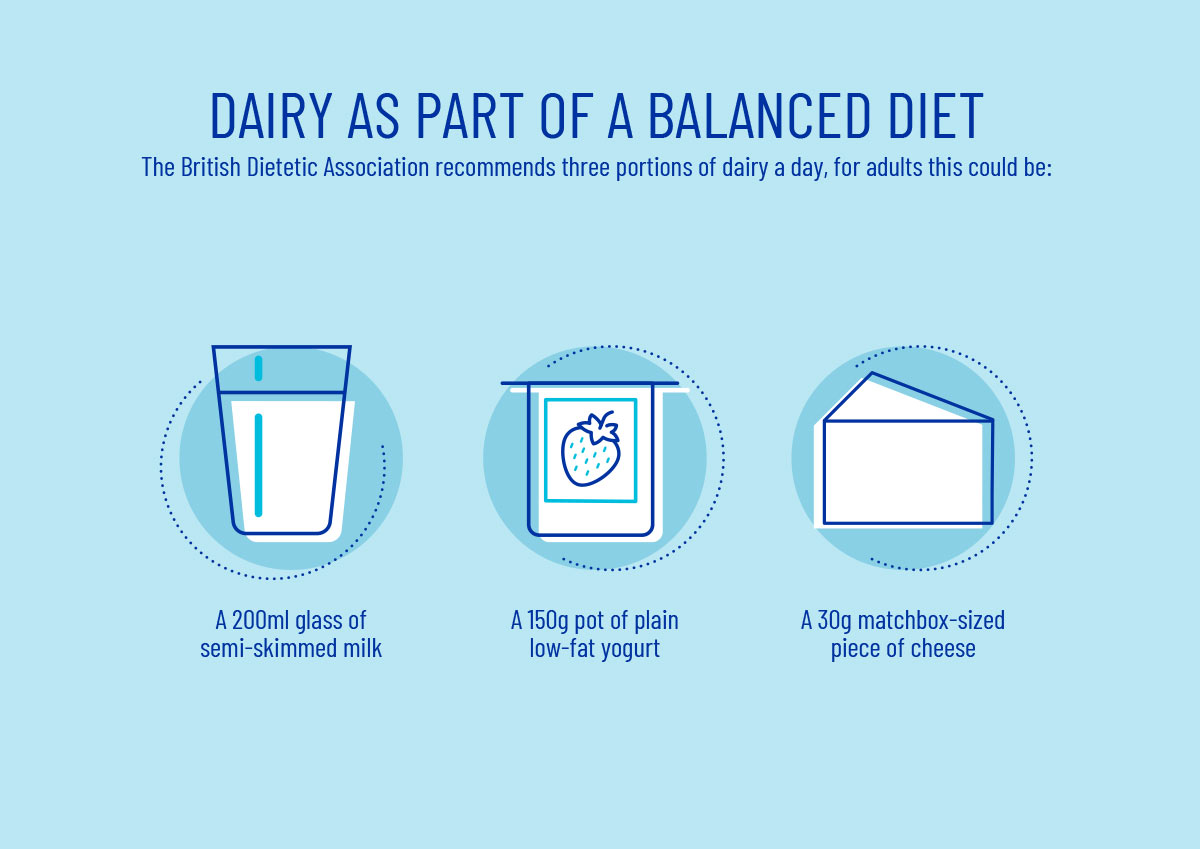
Cow milk is the most common milk consumed worldwide. It comes in various forms like whole, skim, and lactose-free. Whole cow milk contains fats that help nourish gut lining cells. Skim milk has fewer fats but retains essential nutrients. Lactose-free milk suits those with lactose intolerance, reducing digestive discomfort. Fermented cow milk products, like yogurt, contain probiotics that boost good gut bacteria.
Goat And Sheep Milk Benefits
Goat and sheep milk have smaller fat molecules than cow milk. This makes them easier to digest for many people. They contain natural probiotics and prebiotics that feed healthy gut bacteria. Goat milk is rich in calcium and vitamins, supporting gut and bone health. Sheep milk offers more protein and beneficial fatty acids. Both types can reduce gut inflammation and improve digestion.
Plant-based Milks
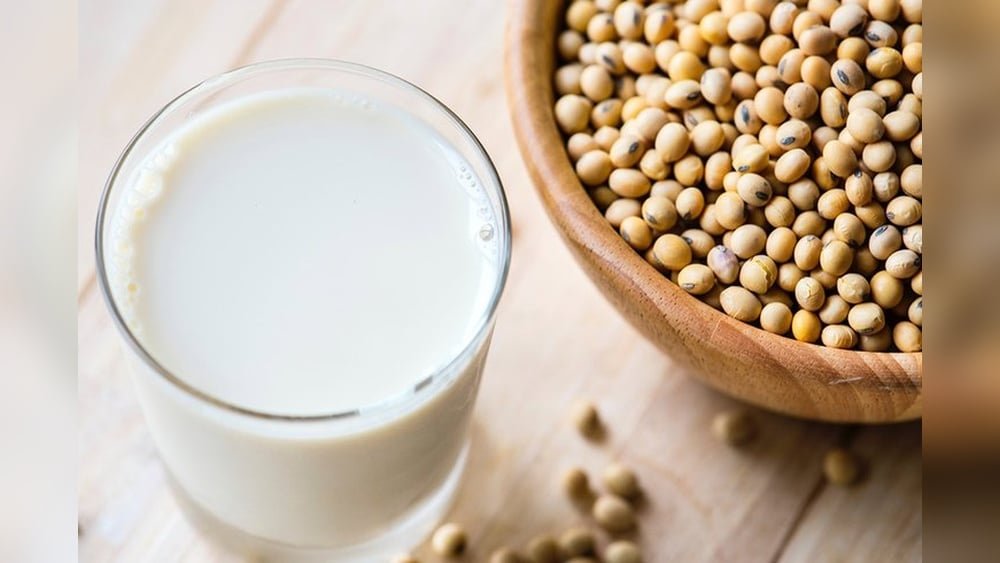
Plant-based milks come from sources like almonds, soy, oats, and coconut. These milks are naturally lactose-free, aiding those with dairy sensitivity. Some plant milks are fortified with vitamins and minerals important for gut health. Soy milk contains fiber and plant compounds that support digestion. Oat milk has beta-glucans, which feed gut microbes and reduce inflammation. Choosing unsweetened versions avoids added sugars that harm gut bacteria.
Fermented Dairy Options
Fermented dairy products are excellent for gut health. They contain live bacteria that support digestion. These bacteria help balance the gut microbiome. A healthy gut can improve immunity and nutrient absorption. Fermented dairy also tends to be easier to digest than regular milk. It offers natural probiotics that protect the digestive system.
Yogurt And Probiotics
Yogurt is rich in probiotics, which are good bacteria. These bacteria help break down food and fight harmful germs. Regular yogurt contains live cultures like Lactobacillus and Bifidobacterium. These strains improve digestion and reduce bloating. Greek yogurt is thicker and has more protein. Choose plain, unsweetened yogurt for the best health benefits. Flavored yogurts often contain added sugar, which can harm gut health.
Cheese Varieties For Digestion
Some cheeses contain probiotics that aid digestion. Soft cheeses like cottage cheese and ricotta are easier to digest. Aged cheeses such as cheddar, Gouda, and Parmesan have beneficial bacteria too. These cheeses undergo fermentation, which reduces lactose content. This makes them suitable for people with lactose intolerance. Cheese also provides calcium and protein, supporting overall health. Eating moderate amounts can benefit the gut without overloading fat intake.
Milk And Lectin Content
Milk plays a key role in gut health. One factor to consider is lectin content. Lectins are natural proteins found in many foods. They can affect digestion and gut lining. Some types of milk contain more lectins than others. Understanding this helps in choosing the best milk for your gut.
Lectin-free Milk Choices
Some milk types have little to no lectins. Goat milk is a good example. It is often easier to digest and is gentle on the gut. A2 cow’s milk is another option with fewer lectins. Plant-based milks like almond or coconut milk usually have low lectin levels. These choices support a healthy gut environment.
Impact Of Lectins On Digestion
Lectins can bind to the gut lining. This may cause irritation or inflammation for some people. High lectin intake might lead to digestive discomfort or bloating. Reducing lectin-rich foods, including certain milks, can ease these symptoms. Choosing low-lectin milk helps protect the gut barrier. It supports better nutrient absorption and overall gut health.
Dr. Gundry’s Milk Recommendations
Dr. Gundry offers clear guidance on the best milk choices to support gut health. His recommendations focus on milks that reduce inflammation and promote a balanced microbiome. He advises choosing options that avoid common allergens and promote digestion. This section highlights his top milk picks and their gut benefits.
Coconut Milk Benefits
Coconut milk is rich in healthy fats called medium-chain triglycerides. These fats support the gut lining and reduce harmful bacteria. It is naturally free of dairy and lactose. This makes it gentle on sensitive stomachs. Coconut milk also contains antioxidants that help lower gut inflammation.
Hemp Milk Advantages
Hemp milk is packed with omega-3 and omega-6 fatty acids. These nutrients help maintain healthy gut cells. It contains fiber that feeds good bacteria in the intestines. Hemp milk is free from common allergens like soy and dairy. It supports digestion and helps reduce bloating.
Goat And Sheep Milk Preference
Dr. Gundry prefers goat and sheep milk over cow milk. These milks have smaller fat molecules that are easier to digest. They contain less lactose, which lowers the risk of gut irritation. Goat and sheep milk also provide beneficial probiotics. These promote a healthy balance of gut bacteria.
Fermented Dairy Insights
Fermented dairy like yogurt and kefir contain live probiotics. These bacteria improve gut flora and digestion. Dr. Gundry encourages choosing fermented dairy with no added sugars. These products help strengthen the gut barrier. They also reduce inflammation and support immune health.
Milk Alternatives To Avoid
Choosing the right milk alternative is important for gut health. Some milk substitutes can upset digestion or lack nutrients that support a healthy gut. Knowing which options to avoid helps maintain a balanced digestive system. Here are some common milk alternatives that may cause concerns.
Concerns With Oat Milk
Oat milk is popular but often high in added sugars. Excess sugar can feed harmful gut bacteria and cause bloating. Some oat milks contain additives like gums and oils. These additives may irritate sensitive stomachs and disrupt digestion. Oat milk also lacks natural probiotics that benefit gut health.
Almond Milk Limitations
Almond milk is low in calories but also low in protein. Protein supports gut lining repair and healthy bacteria growth. Many almond milks contain thickeners and stabilizers that can cause digestive discomfort. People with nut allergies must avoid almond milk altogether. Additionally, homemade almond milk lacks fiber needed for good digestion.

Nutritional Profiles And Digestion
Understanding the nutritional profiles of different milks is key to improving gut health. Milk contains various nutrients that affect digestion and gut function. Each type of milk offers a unique balance of fats, sugars, and additives. These elements influence how well your gut processes the milk and supports beneficial bacteria. Choosing the right milk depends on how your body reacts to these components.
Fat Content And Gut Health
Fat in milk plays a role in gut health. Full-fat milk provides essential fatty acids that support the gut lining. These fats can reduce inflammation and help maintain a healthy gut barrier. Low-fat or fat-free milk has less fat, which may be easier to digest for some people. However, too little fat can reduce nutrient absorption. Balancing fat content is important for optimal digestion and gut function.
Sugar And Additives Impact
Sugars and additives in milk affect gut health negatively. Many milk alternatives contain added sugars that feed harmful gut bacteria. This can cause bloating, gas, and discomfort. Additives like stabilizers and preservatives may also disrupt gut flora. Choosing milk with minimal or no added sugars and additives supports a healthier gut environment. Natural sugars like lactose may be better tolerated by some, but lactose intolerance is common. Always check the label for hidden sugars and additives.
Choosing Milk For Your Gut
Milk can affect your gut health in many ways. Some types of milk help digestion and support good bacteria. Others may cause discomfort or bloating. Choosing the right milk depends on your body’s needs and how it reacts to different ingredients.
Understanding your own tolerance and reading labels carefully helps find the best milk for your gut. This section explains key points to consider before picking milk for better gut health.
Personal Tolerance Factors
Everyone’s gut reacts differently to milk. Some people digest lactose easily, while others do not. Lactose intolerance causes gas, cramps, and diarrhea. In this case, lactose-free milk or plant-based options work better.
Milk allergies are less common but serious. If you have an allergy, avoid dairy milk completely. Choose alternatives like oat, almond, or soy milk instead.
Gut sensitivity to additives matters too. Some flavored milks contain sugar or preservatives that may upset your stomach. Simple, natural milk choices are best for sensitive guts.
Reading Labels For Gut-friendly Options
Labels show what is inside the milk you buy. Look for lactose-free or low-lactose if you have trouble digesting dairy. Check for added sugars or artificial ingredients, which can harm gut health.
Probiotic milk contains good bacteria that support digestion. These can improve gut balance and reduce inflammation. Find milk labeled with live and active cultures.
Plant-based milks vary in ingredients and nutrients. Almond, oat, and soy milks often have added vitamins and minerals. Choose unsweetened versions to avoid excess sugar.
Organic and grass-fed dairy may have fewer antibiotics and hormones. These options might be gentler on your gut and overall health.
Where To Buy Top Milk Picks
Finding the best milk for gut health means choosing the right place to buy it. Availability and price can vary by store. Knowing your options helps you pick quality milk without overspending.
Many local stores stock a variety of gut-friendly milk options. These include dairy, almond, oat, soy, and specialty milks like goat or ultra-filtered milk. Buying locally saves time and lets you check freshness yourself.
Local Store Options
Major grocery chains like H-E-B, Walmart, and Target offer a wide range of milk brands. H-E-B has Fairlife ultra-filtered milk and Mootopia milk, both good for digestion. Walmart carries Organic Valley and Meyenberg goat milk, known for gut benefits. Target stocks organic and lactose-free options, including Lactaid milk. Smaller stores like Randalls also offer organic and reduced-fat milk varieties. Local health food stores may carry specialty gut-friendly milks, too.
Visiting these stores helps you see labels clearly. You can check for probiotics, lactose content, and added sugars. Local options often include fresh milk with fewer additives, which supports gut health better.
Price Comparisons
Prices differ across stores. Walmart’s Fairlife Fat Free Ultra Filtered Milk costs about $5.32 per gallon. H-E-B offers similar milk at $4.97, slightly cheaper. Target’s prices often range from $4.59 to $6.99, depending on the brand and type. Organic milks like Organic Valley range higher, around $5.86 to $9.97. Goat milk at Walmart costs about $6.47 per quart.
Shopping around helps find the best deals. Bulk buying at stores like Sam’s Club can lower costs, with prices as low as $4.33 per gallon. Check weekly ads for discounts on your preferred milk. Comparing prices ensures you get gut-friendly milk without overspending.
Frequently Asked Questions
Which Milk Does Dr. Gundry Recommend?
Dr. Gundry recommends coconut milk, hemp milk (like Pacific Foods Hemp Unsweetened), goat or sheep milk, and fermented dairy for better gut health.
What Is The Best Milk For Anti Inflammatory Diet?
The best milk for an anti-inflammatory diet includes coconut milk, hemp milk, and goat or sheep milk. These options reduce inflammation better than regular cow’s milk. Avoid oat and almond milk if sensitive. Fermented dairy like yogurt also supports anti-inflammatory benefits.
What Is The Healthiest Milk To Take?
The healthiest milk options include coconut, hemp, and goat milk for better tolerance and gut health. Avoid oat and almond milk often. Fermented dairy, like yogurt, also supports digestion and gut well-being. Choose based on personal tolerance and nutritional needs.
Which Milk Is Better For A Sensitive Stomach?
Goat, sheep, coconut, and hemp milk suit sensitive stomachs best. Fermented dairy also aids digestion. Avoid oat and almond milk often.
Conclusion
Choosing the best milk for gut health depends on your body and needs. Plant-based milks like coconut or hemp can support digestion well. Dairy options with probiotics may also help balance gut bacteria. Always check labels for added sugars or additives.
Drinking the right milk can ease digestion and improve comfort. Start with small amounts and see how your body reacts. A healthy gut supports your overall well-being every day. Keep your choices simple and listen to your body’s signals.