
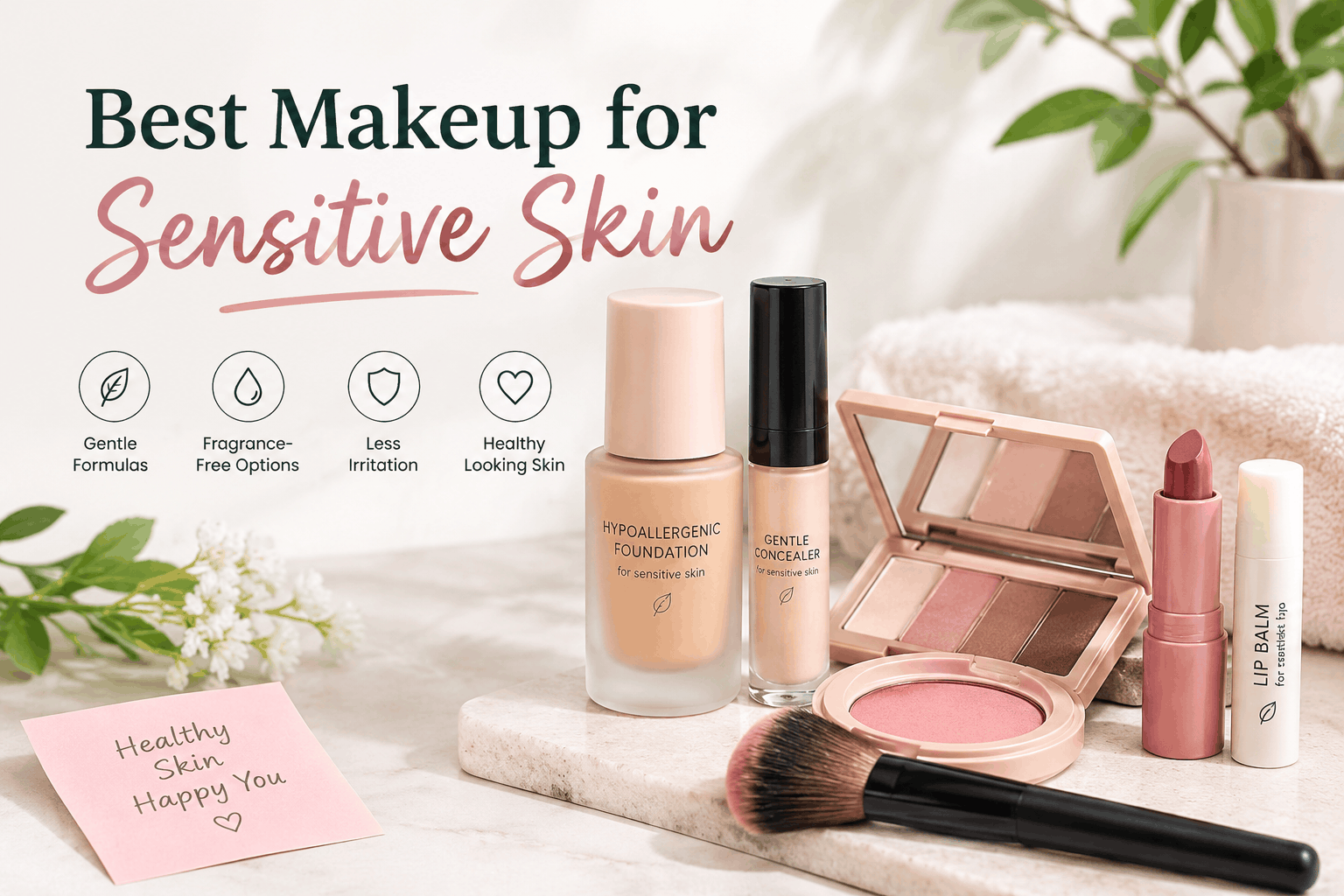
Best Makeup for Sensitive Skin: A Complete Beauty Guide
Best Makeup for Sensitive Skin: A Complete Guide to Gentle Beauty
Introduction
Finding makeup that looks beautiful and feels comfortable can be challenging when your skin reacts easily to cosmetics. A new foundation might leave your cheeks feeling irritated, an eyeshadow may make your eyelids uncomfortable, or a makeup remover might cause redness after a long day. These experiences can make choosing beauty products feel more complicated than it should be.
The good news is that sensitive skin does not mean you have to give up makeup. With the right product choices, a gentle routine, and careful attention to ingredients, you can enjoy everyday makeup while reducing the chance of irritation.
The best makeup for sensitive skin is not necessarily the most expensive option or the product with the most impressive advertising. It is makeup that suits your skin, contains ingredients you can tolerate, and feels comfortable throughout the day.
In this guide, you will learn how to choose foundation, concealer, eye makeup, blush, and lip products for sensitive skin. You will also discover which labels to check, how to test new cosmetics, and how to build a simple makeup routine that supports your skin’s comfort.
What Makes Skin Sensitive to Makeup?
Sensitive skin may react to certain cosmetics with redness, itching, burning, dryness, or a rash. Some people notice these symptoms immediately, while others develop a reaction after repeated use.
There is no single ingredient that causes every sensitive-skin reaction. Fragrances, preservatives, dyes, and certain other cosmetic ingredients can trigger problems in susceptible individuals. The US Food and Drug Administration identifies these as common categories of cosmetic allergens. However, an ingredient that bothers one person may be perfectly comfortable for another.
It is also important to understand that sensitivity can have different causes. Some reactions result from irritation, while others involve allergic contact dermatitis. Skin conditions such as eczema and rosacea may also make the face more reactive to certain products.
Pay attention to how your skin behaves after using a new cosmetic. If a product repeatedly causes discomfort, stop using it rather than trying to push through the reaction.
If redness, swelling, itching, or burning continues, consult a dermatologist. A professional can help determine whether you have an allergy, irritation, or an underlying skin condition.
1. Choose a Gentle Foundation
Foundation covers uneven tone and creates a more balanced-looking complexion. However, the wrong formula may feel uncomfortable, especially if your skin is dry, easily irritated, or prone to redness.
When shopping for foundation, start by considering your skin type and the finish you prefer.
Liquid Foundation
A lightweight liquid foundation can be a practical choice for everyday makeup. Hydrating formulas may feel more comfortable on dry skin, while some lightweight, oil-free options work well for people with oily skin.
Look for a product with a clear ingredient list and no known personal triggers. If your skin reacts to fragrance, choose a fragrance-free formula.

Mineral Foundation
Mineral foundation is another option worth exploring. Some formulas contain ingredients such as zinc oxide, titanium dioxide, and mineral pigments. Depending on the complete formula, these products may suit certain people with reactive skin.
However, mineral makeup is not automatically irritation-free. Preservatives, other ingredients, and the texture of the formula can still matter.
Tinted Moisturizer
If you prefer a natural appearance, a tinted moisturizer may offer light coverage while providing moisture. It can be useful for days when you do not want a full face of foundation.
Choose a formula that agrees with your skin, and remember that tinted moisturizer should not replace adequate sunscreen unless it provides suitable labeled sun protection and you apply enough of it.
How to Apply Foundation Gently
Start with clean hands and a comfortable, moisturized base. Apply a small amount of foundation and blend without pulling or rubbing the skin aggressively.
A clean makeup sponge or brush can help you distribute the product evenly. Wash your tools regularly, because accumulated makeup, oil, and dirt can affect skin comfort.
2. Find a Suitable Concealer
Concealer helps cover dark circles, blemishes, and areas of uneven skin tone. Because it is often applied around the eyes or directly over irritated-looking areas, choosing a comfortable formula is important.
For dry or delicate skin, a creamy concealer may blend more easily than a very dry, heavy formula. If you have oily skin, you may prefer a lightweight concealer that stays in place without requiring frequent touch-ups.
Before buying one, consider these points:
- Choose a formula without ingredients you already know cause reactions.
- Avoid applying concealer to broken, inflamed, or irritated skin.
- Use a small amount rather than building several thick layers.
- Blend gently with a clean brush, sponge, or fingertip.
- Remove the product carefully at the end of the day.
The area around the eyes can be especially delicate. If you experience eyelid irritation, avoid experimenting with several new eye-area products at once. A persistent or severe reaction deserves professional advice.
You do not need to conceal every natural mark on your face. A light application often creates a fresh, natural look without making your routine unnecessarily complicated.
3. Select Eyeshadow and Eyeliner Carefully
Eye makeup can transform a simple look, but the eyelids are sensitive and may react to certain pigments, fragrances, or other ingredients.
When choosing eyeshadow, consider a simple palette with a few shades you can use regularly. Neutral colors such as soft brown, taupe, beige, and champagne can create everyday looks without requiring many products.
Powder eyeshadows are convenient, but avoid formulas that produce excessive loose powder if it tends to irritate your eyes. Cream eyeshadows may be easier for some people to apply, although their ingredients and preservatives still need consideration.
For eyeliner, choose a product designed for use around the eyes. Avoid applying products inside the waterline if they cause discomfort, and never share eye makeup with other people.
Mascara also deserves attention. Choose a formula that you tolerate well and replace it according to the manufacturer’s guidance. Do not add water or other liquids to old mascara, and discard eye products that have changed in smell, texture, or appearance.
If your eyelids become swollen, itchy, or red after applying eye makeup, stop using the suspected product. Do not keep applying cosmetics to cover the reaction.
4. Choose Blush and Bronzer That Feel Comfortable
Blush and bronzer add warmth and dimension to the face. For sensitive skin, the goal is to find a formula that blends easily and does not require repeated rubbing.
Cream blush can create a soft, natural finish, while powder blush is useful for people who prefer a lighter texture. Neither type is automatically better for every skin type.
If your skin is dry, a well-tolerated cream formula may blend comfortably over moisturizer. If your skin is oily, a powder product may suit your preferred finish.
When testing a new blush or bronzer, try it on a small area before using it across your cheeks. Check the ingredient list for personal triggers and avoid products that contain substances you have previously reacted to.
Use a clean brush or applicator and apply color gradually. It is easier to add another light layer than to remove a heavy application, and gentle blending reduces unnecessary friction.
If your cheeks are already irritated or flushed, consider skipping these products until your skin feels comfortable again.
5. Pick Lip Products for Sensitive Lips
Lips can become dry, cracked, or irritated more easily than many other areas of the face. Lipstick, gloss, lip liner, and long-wearing formulas may contain ingredients that some people find uncomfortable.
If your lips are sensitive, start with a simple lip product that you have tolerated well. A gentle, fragrance-free lip balm may help maintain moisture before you apply color.
Be cautious with lip products that create a strong tingling or burning sensation. Ingredients used to produce plumping effects, along with certain fragrances and flavorings, may irritate some people.
For everyday wear, you might prefer a creamy lipstick, a lightly tinted balm, or a comfortable lip color that does not leave your lips feeling excessively dry.
Remove lip makeup gently instead of scrubbing the skin. If your lips are cracked or inflamed, avoid experimenting with new products until they recover.
Persistent cracking, swelling, or irritation around the lips may need evaluation by a healthcare professional.
6. Understand Ingredients and Product Labels
Reading ingredient labels is one of the most useful habits you can develop when choosing cosmetics. Packaging terms can be helpful, but they should not replace checking the ingredients themselves.
Fragrance-Free Products
Fragrance is a common cosmetic allergen. If you know or suspect that fragrance triggers your skin, look for products labeled fragrance-free.
Be careful with the word “unscented.” An unscented product may contain ingredients used to mask an odor, so it is not always the same as a fragrance-free formula.
Hypoallergenic Claims
The term “hypoallergenic” may suggest that a product is less likely to cause an allergic reaction. However, the FDA does not have a federal standard that defines this label for cosmetics in the United States.
A product carrying this claim can still cause a reaction. Review the ingredient list and consider your own history of sensitivity rather than relying on the label alone.
Preservatives and Colorants
Preservatives help prevent contamination and maintain product quality, but certain preservatives can cause reactions in susceptible individuals. Some colorants may also be a problem for particular users.
This does not mean you should automatically avoid all preservatives or pigments. Instead, identify ingredients that have caused problems for you and look for suitable alternatives.
Keep Your Routine Simple
Using fewer products can make it easier to identify the cause of irritation. Introduce new makeup one item at a time rather than replacing your foundation, concealer, eyeshadow, and cleanser all at once.
The best makeup for sensitive skin is a personal choice based on ingredient awareness, careful testing, and how your skin responds in real life.
7. How to Patch Test New Makeup
Patch testing can help you identify products that may cause a reaction before you apply them widely. The American Academy of Dermatology recommends testing new skin care products on a small area of skin before regular use.
For products suitable for this type of home test, follow these steps:
- Choose a small area on the inside of your arm or the bend of your elbow.
- Apply the product as directed, using the amount you would normally use.
- Repeat the test twice daily for seven to ten days, unless the product instructions or a healthcare professional advise otherwise.
- Watch for redness, itching, swelling, or other changes.
- Stop using the product if a reaction develops.
For products designed specifically for the eyes or lips, follow the manufacturer’s instructions and avoid putting them on areas where they are not intended to be used. An arm test cannot guarantee that a cosmetic will be safe for your eyelids, lips, or face.
A home patch test also cannot replace medical allergy testing. If you frequently react to cosmetics or cannot identify the ingredient causing the problem, a dermatologist may recommend professional patch testing.
8. Build a Simple Makeup Routine for Sensitive Skin
A gentle makeup routine does not need to involve a large collection of products. In many cases, a few carefully selected items are enough for an attractive everyday look.
Step 1: Prepare Your Skin
Wash your face with a gentle cleanser that you already tolerate. Avoid harsh scrubbing, then apply a suitable moisturizer.
During the day, use broad-spectrum sunscreen with SPF 30 or higher if your skin tolerates it. If sunscreen tends to irritate your skin, ask a dermatologist about suitable alternatives.
Step 2: Apply Foundation
Use a thin layer of foundation or tinted moisturizer. Blend it gently and add coverage only where you want it.
Step 3: Conceal Specific Areas
Apply a small amount of concealer to areas that need extra coverage. Avoid placing makeup over broken or actively inflamed skin.
Step 4: Add Color
Choose a blush, eyeshadow, or lip product that you have already tested. You can create a polished look with just one or two color products.
Step 5: Remove Makeup Gently
At the end of the day, use a makeup remover or cleanser that suits your skin. Avoid scrubbing, rubbing your eyes aggressively, or repeatedly cleansing to remove every trace of makeup.
Finish with a moisturizer if needed. A gentle evening routine helps you remove cosmetics without adding unnecessary irritation.
9. Common Makeup Mistakes to Avoid
Even carefully chosen cosmetics can become uncomfortable when they are used or stored incorrectly. Avoid these common mistakes:
Trying too many new products at once: If your skin reacts, it becomes difficult to identify the cause. Introduce one product at a time.
Trusting marketing claims without checking ingredients: Labels such as natural, clean, or hypoallergenic do not guarantee that a product will suit your skin.
Using dirty brushes and sponges: Wash makeup tools regularly and allow them to dry completely before storing them.
Sharing cosmetics: Sharing eye makeup, lipstick, and applicators can spread germs. Keep your products and tools personal.
Ignoring expiration or product changes: Follow the manufacturer’s storage and replacement guidance. Discard products that smell unusual or show changes in color or texture.
Continuing after irritation starts: Stop using a product that causes discomfort. Persistent symptoms may require medical advice.
Scrubbing makeup off: Strong rubbing can add friction to already sensitive skin. Use a suitable remover and gentle movements.
These small changes can help make makeup application more comfortable and easier to manage.
Frequently Asked Questions
What type of makeup is best for sensitive skin?
Look for cosmetics with clear ingredient lists and formulas that do not contain your known triggers. Fragrance-free products may be helpful if fragrance bothers you, but no makeup formula is guaranteed to suit everyone.
Is mineral makeup better for sensitive skin?
Some people tolerate mineral makeup well, but it is not automatically safer for everyone. The complete formula, application method, and individual sensitivities all matter.
Is hypoallergenic makeup always safe?
No. The term does not guarantee that a product will never cause a reaction. Read the ingredient list, test suitable products carefully, and avoid known allergens.
Can I wear makeup if I have eczema or rosacea?
Some people with these conditions can wear makeup, but certain cosmetics may trigger symptoms. Follow your clinician’s guidance, avoid products that cause reactions, and skip makeup on irritated or broken skin.
How can I remove makeup without irritating my skin?
Use a gentle remover or cleanser suitable for your skin. Apply it without aggressive rubbing, rinse as directed, and follow with a moisturizer if needed.
Final Thoughts
Choosing cosmetics should be about feeling comfortable and confident, not worrying about whether your skin will react. By learning your triggers, checking ingredient lists, testing suitable products, and keeping your routine simple, you can make more informed beauty choices.
Start with a few essentials, give new products time to prove themselves, and avoid anything that causes persistent discomfort. If reactions keep happening, a dermatologist can help identify the cause and guide you toward more suitable options.
Ultimately, the best makeup for sensitive skin is makeup that works with your individual needs. A gentle foundation, comfortable concealer, carefully chosen eye products, and a simple removal routine can help you enjoy beauty in a way that feels right for your skin.


