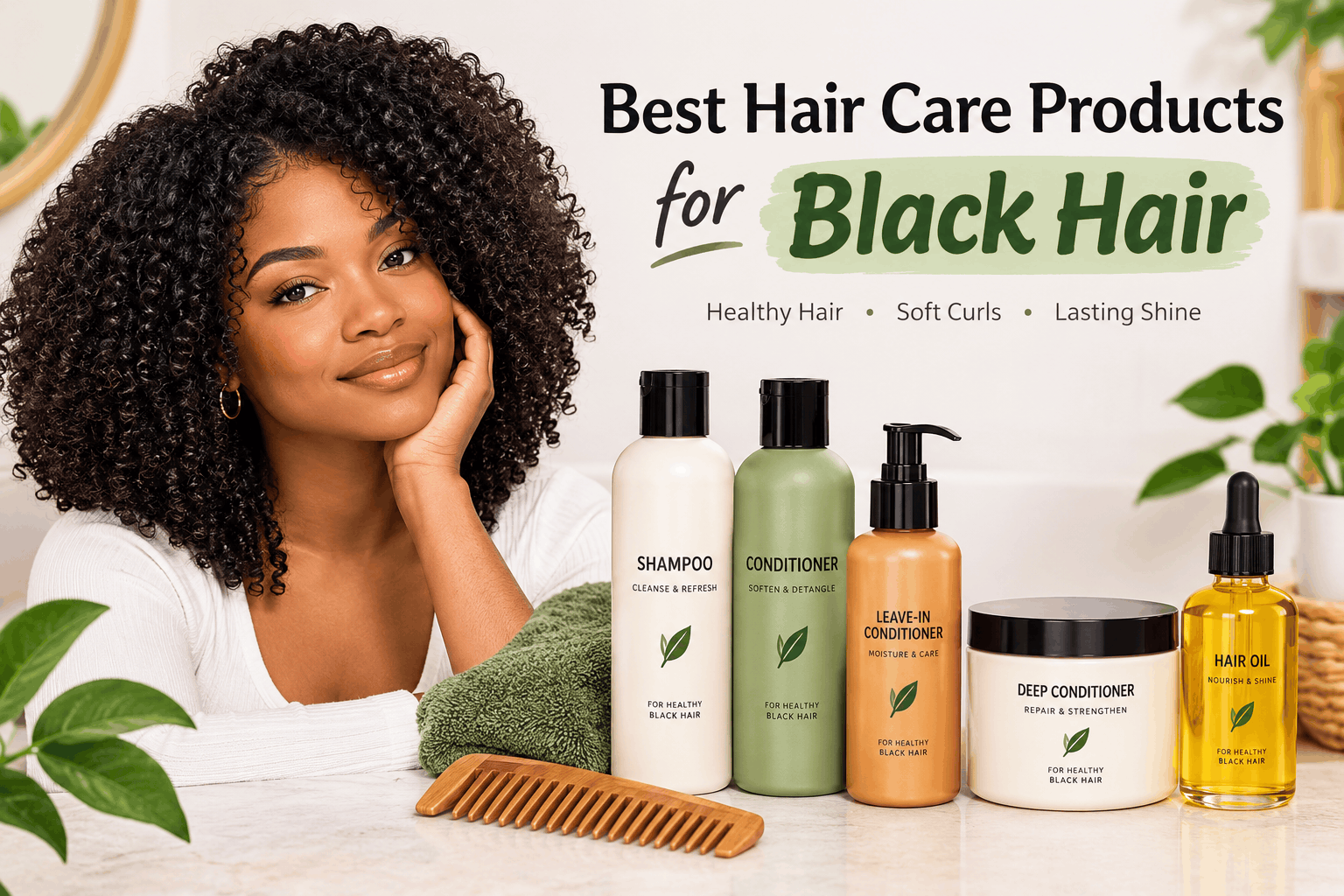
Best Hair Care Products for Black Hair: A Complete Guide
Best Hair Care Products for Black Hair: What Your Hair Really Needs
Taking care of Black hair can look different for everyone. Some people want softer curls, others struggle with dryness and breakage, and many simply want a routine that keeps their hair manageable without spending too much money. With so many shampoos, conditioners, oils, and styling creams available, it can be difficult to know which products are actually worth buying.
The truth is that healthy-looking hair does not require dozens of products. A few well-chosen essentials can make a noticeable difference when you use them consistently and handle your hair gently. The right routine depends on your natural texture, scalp condition, styling preferences, and whether your hair has been relaxed, colored, or heat-styled.
In this guide, we will look at the products that can help with common hair concerns, explain which ingredients are worth considering, and share practical ways to care for curls and coils. You will also learn how to build a simple routine that fits your everyday life.
Understanding What Black Hair Needs
Black hair comes in many textures. Some people have loose curls, while others have tightly coiled strands. Hair can also vary in thickness, density, porosity, and strength. These differences matter because a product that feels perfect on one person’s hair may leave someone else’s hair greasy, stiff, or difficult to style.
Curly and coily strands can be particularly vulnerable to dryness and breakage. Their shape can make it harder for natural scalp oils to travel along the hair shaft. Frequent heat styling, chemical treatments, rough detangling, and tight hairstyles can add to the problem.
Before choosing products, pay attention to how your hair behaves.
- If your hair feels rough or brittle, you may need better conditioning.
- If your curls become tangled easily, look for products that provide slip.
- If your scalp feels oily or uncomfortable, review your cleansing routine.
- If your hair breaks around the edges, consider whether your hairstyles are pulling too tightly.
- If your hair feels coated, you may be using too much product or not cleansing often enough.
Understanding these signs makes it easier to choose products for your actual needs instead of following every new hair care trend.
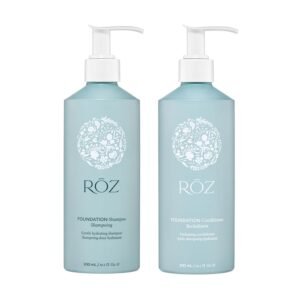
1. Moisturizing Shampoo for Clean, Comfortable Hair
Shampoo removes sweat, excess oil, dirt, and styling product buildup from the scalp. The challenge is finding a formula that cleans effectively without leaving your hair feeling stripped.
A moisturizing shampoo can be a good starting point for dry, curly, or coily hair. Look for formulas designed for textured hair, especially if your strands tend to feel rough after washing. Ingredients such as glycerin and conditioning agents may help improve the feel of the hair during cleansing.
You do not necessarily have to avoid every shampoo containing sulfates. These cleansing ingredients can be useful when you need to remove heavy buildup. However, a strong cleanser may be uncomfortable for hair that is already dry, particularly when used too frequently.
How to use shampoo without causing unnecessary dryness
Apply shampoo mainly to your scalp and massage gently with your fingertips. There is usually no need to scrub the full length of your hair aggressively. As you rinse, the lather can help remove residue from the strands.
Your washing schedule should depend on how quickly your scalp becomes oily, how much product you use, and how active your lifestyle is. Some people prefer washing weekly, while others need a different schedule.
If you use gels, waxes, or heavy styling creams, occasional clarifying shampoo may help remove buildup. Follow it with conditioner so your hair feels easier to manage.
The American Academy of Dermatology offers useful guidance on caring for Black hair, including cleansing, conditioning, and reducing styling damage.
2. A Good Conditioner to Make Hair Easier to Manage
If there is one product worth taking seriously on wash day, it is conditioner. It helps soften the hair, reduces friction between strands, and makes detangling less stressful.
Look for conditioning formulas that contain ingredients such as cetyl alcohol, stearyl alcohol, behentrimonium compounds, or other conditioning agents. Despite their names, fatty alcohols such as cetyl and stearyl alcohol are commonly used to soften and condition hair. They are different from drying alcohols sometimes found in cosmetic formulas.
A thicker conditioner may suit dense, dry coils, while a lightweight formula may be better for fine strands that lose volume easily.
Getting more from your conditioner
After shampooing, distribute conditioner through your hair. If your hair is curly or dry, apply it along the lengths rather than concentrating only on the ends.
Divide your hair into sections if that makes it easier to work with. Use your fingers or a wide-tooth comb to loosen knots while the conditioner is in place. Start at the ends and slowly move upward instead of pulling through tangles from the roots.
Leave the product on for the time stated on the packaging and rinse as directed. If your hair remains difficult to manage, try a different formula rather than simply adding more product.
3. Leave-In Conditioner for Curls That Need Extra Care
A leave-in conditioner stays in the hair after washing, unlike a regular rinse-out conditioner. It can help reduce friction, improve softness, and make styling easier between wash days.
This product is especially useful if your hair feels dry soon after it dries. It can also help when you wear twists, wash-and-go styles, or other hairstyles that benefit from softer, more manageable strands.
Spray formulas are often convenient for fine hair or light refreshes. Cream-based leave-ins may suit thicker hair that needs more conditioning. Neither option is automatically better; the right choice depends on how your hair responds.
What ingredients should you look for?
Glycerin attracts water, while panthenol and conditioning agents can help improve the feel and manageability of hair. Some formulas also include aloe or oils to support softness.
Apply the product to clean, damp hair, following the label instructions. Concentrate on the areas that tend to become dry, and begin with a small amount. If your hair starts feeling sticky or coated, use less next time.
A leave-in conditioner should make your routine easier, not leave a heavy layer that is difficult to wash out.
4. Deep Conditioner for Hair That Feels Dry
Sometimes, a regular conditioner is not enough to make hair feel soft and manageable. That is when a deep conditioner or hair mask may be helpful.
These products provide more intensive conditioning than many everyday conditioners. They can be useful after heat styling, chemical processing, or periods when your hair feels particularly dry.
Choose a product according to what your hair needs. A moisturizing mask may be a good option for rough-feeling strands, while a protein-containing treatment may help improve the feel of some damaged hair.
Do you need a protein treatment?
Not everyone does. Protein treatments are not a requirement for healthy hair, and using them too frequently may leave some hair feeling stiff. If your main concern is dryness, start with a moisturizing treatment and see how your hair responds.
Follow the directions on the package. Leaving a mask on longer than recommended will not necessarily improve the results.
5. Hair Oils for Shine and Less Friction
Hair oils are popular in textured hair routines because they can improve shine, help smooth the strands, and reduce friction. However, oils work differently from water-based conditioners, so they should not replace cleansing or conditioning.
Here are a few common options:
Jojoba oil: A popular choice for people who prefer a lighter-feeling oil.
Argan oil: Often used in finishing products to add shine and improve the appearance of dry ends.
Coconut oil: Research suggests it can help reduce protein loss from hair under certain conditions, although results depend on how it is used.
Avocado oil: Found in some conditioning products designed to soften and smooth the hair.
Castor oil: A thicker oil that some people prefer using sparingly on their hair lengths.
You do not need all five. Choose one that works with your hair and budget.
How to use oil without creating buildup
Start with a small amount and smooth it over the lengths and ends. Fine hair may need very little, while thicker hair may tolerate more.
Avoid assuming that applying more oil will automatically improve moisture or growth. Oils can help reduce friction, but they do not guarantee faster hair growth or fix every scalp concern. If an oil causes itching or irritation, stop using it.
6. Detangling Products for Knots and Tangles
Knots are common in curly and coily hair, particularly when strands rub together or become dry. Trying to pull through them quickly can cause unnecessary breakage.
A detangling spray or conditioner with good slip can make the process more comfortable. Look for a formula intended for textured hair and choose one that allows your fingers or comb to move through the strands without excessive pulling.
A simple detangling method
First, divide your hair into manageable sections. Apply water and an appropriate detangling product as directed. Use your fingers to loosen larger knots before reaching for a wide-tooth comb.
Work from the ends upward, taking your time with stubborn tangles. If a knot will not loosen, apply a little more conditioner instead of pulling harder.
Avoid brushing tightly coiled hair aggressively when it is dry. Gentle detangling and smaller sections can make wash day much less frustrating.
For more advice, see the American Academy of Dermatology’s curly hair care tips.
7. Heat Protectant for Straightening and Blow-Drying
If you regularly use a blow-dryer, flat iron, or curling tool, a heat protectant is worth considering. Too much heat can damage the hair shaft, leaving strands brittle and more likely to break.
Choose a product that suits the styling method you use. Some are made for damp hair before blow-drying, while others are designed for dry hair before using a flat iron. Follow the instructions rather than assuming every product works the same way.
Use the lowest temperature that gives you the style you want. Avoid repeatedly passing a hot tool over the same section, and give your hair breaks from heat whenever possible.
A heat protectant can help reduce damage, but it cannot eliminate the risks of excessive heat. If your hair begins to feel unusually rough or breaks more often, reduce heat styling and review your routine.
8. Scalp Care Products for Everyday Comfort
Your scalp deserves attention just as much as your hair lengths. If you experience flakes, itching, or product buildup, the first step is to work out what might be causing the problem.
Sometimes, a more suitable cleansing routine is enough. If you have dandruff, an anti-dandruff shampoo may help. Follow the product directions carefully, and avoid applying a potentially drying medicated shampoo to the entire length of your hair unless instructed.
Do not automatically cover an irritated scalp with more oils or fragranced products. These may not address the cause and can sometimes make discomfort worse.
If itching continues, or you notice painful bumps, thinning areas, or unusual shedding, speak with a dermatologist. Early assessment can help identify the problem and guide appropriate treatment.
How to Choose Products for Your Hair Type
There is no single routine that works for every person with Black hair. Start with your hair’s condition, then adjust the products as needed.
For dry, tightly coiled hair: Try a moisturizing shampoo, a rich conditioner, and a leave-in product. A small amount of oil may help reduce friction if your hair responds well to it.
For fine natural hair: Choose lighter conditioners and styling products. Heavy creams may leave your hair flat or coated.
For relaxed hair: Prioritize conditioning, gentle detangling, and heat protection. Avoid applying relaxer to hair that has already been chemically relaxed, and seek professional help if possible.
For color-treated hair: Look for products suitable for colored hair and limit unnecessary heat. If you combine coloring with chemical straightening, ask a qualified stylist how to minimize damage.
For protective styles: Prepare your hair with cleansing and conditioning before styling. Braids, extensions, and twists should not pull painfully on the scalp. If a style hurts, ask for it to be loosened.
When comparing the best hair care products for black hair, focus on how each product fits your needs instead of buying everything recommended online. A short routine that works consistently is often easier to maintain than a long list of products.
A Weekly Routine You Can Actually Maintain
You do not need to spend hours every day caring for your hair. A simple schedule can help you stay consistent without making hair care feel like a chore.
On wash day: Cleanse your scalp, condition your hair, and gently detangle it in sections. Use a deep conditioner when your hair needs extra conditioning.
After washing: Apply leave-in conditioner if needed. Follow with your preferred styling product, such as a curl cream or gel. Add a little oil only if it helps your hair feel smoother.
Between wash days: Refresh your style with water or a suitable leave-in product. Avoid repeatedly layering heavy creams and oils if your hair starts feeling coated.
Before bed: Consider a satin or silk bonnet, scarf, or pillowcase to reduce friction. A loose braid or gentle twists may also help limit tangling overnight.
When heat styling: Apply a suitable heat protectant and keep the temperature as low as practical.
The American Academy of Dermatology recommends adjusting washing and conditioning practices to suit your hair type and avoiding habits that cause unnecessary damage. Its healthy hair care guide offers additional practical advice.
Common Mistakes That Can Damage Your Hair
Even good products cannot make up for habits that repeatedly stress the hair. Fortunately, several common problems are easy to address.
One mistake is buying products that promise instant growth. Conditioners and oils can improve the feel and appearance of hair, but they cannot guarantee faster growth or treat every cause of hair loss.
Another is ignoring the scalp while focusing only on the ends. If your scalp is uncomfortable or your hair has persistent buildup, your cleansing routine may need attention.
Tight hairstyles are another concern. Braids, ponytails, and extensions should not cause ongoing pain or pull excessively on the hairline. Repeated tension can contribute to hair loss.
Finally, avoid changing your entire routine at once. Introduce new products gradually so you can tell which ones improve manageability and which may cause irritation or buildup.
Frequently Asked Questions
What products should I buy first for natural Black hair?
Start with shampoo, conditioner, and a leave-in conditioner if your hair needs extra moisture. Add a styling cream or oil only if it helps you manage your hair.
How often should I wash Black hair?
It depends on your scalp, hair texture, and styling habits. Some people wash weekly, while others need a different schedule. Cleanse when your scalp needs it, and avoid allowing excessive product buildup to accumulate.
Are natural oils enough to moisturize hair?
Oils can help smooth strands and reduce friction, but they do not replace conditioner. Many people find that using a suitable conditioner and then a small amount of oil works better than relying on oil alone.
Can hair products prevent breakage?
The right products can improve softness and reduce some avoidable damage. Gentle detangling, reduced heat, and hairstyles that do not pull tightly are also important.
When should I see a dermatologist?
Seek professional advice if you experience persistent itching, painful scalp bumps, bald patches, or noticeable thinning. These symptoms may need more than a change in shampoo.
Final Thoughts
Healthy-looking hair usually comes from consistent care rather than buying the most expensive products. Gentle cleansing, regular conditioning, careful detangling, and sensible styling choices can help you manage your hair with less frustration.
The best hair care products for black hair are the ones that suit your texture, scalp, and everyday routine. Give new products time to show how they work, but stop using anything that causes irritation. If dryness, breakage, or scalp problems continue, a dermatologist can help you find the cause.
Start with a few useful essentials, keep your routine manageable, and make adjustments based on what your hair actually needs. You do not have to follow every trend to care for your hair well.