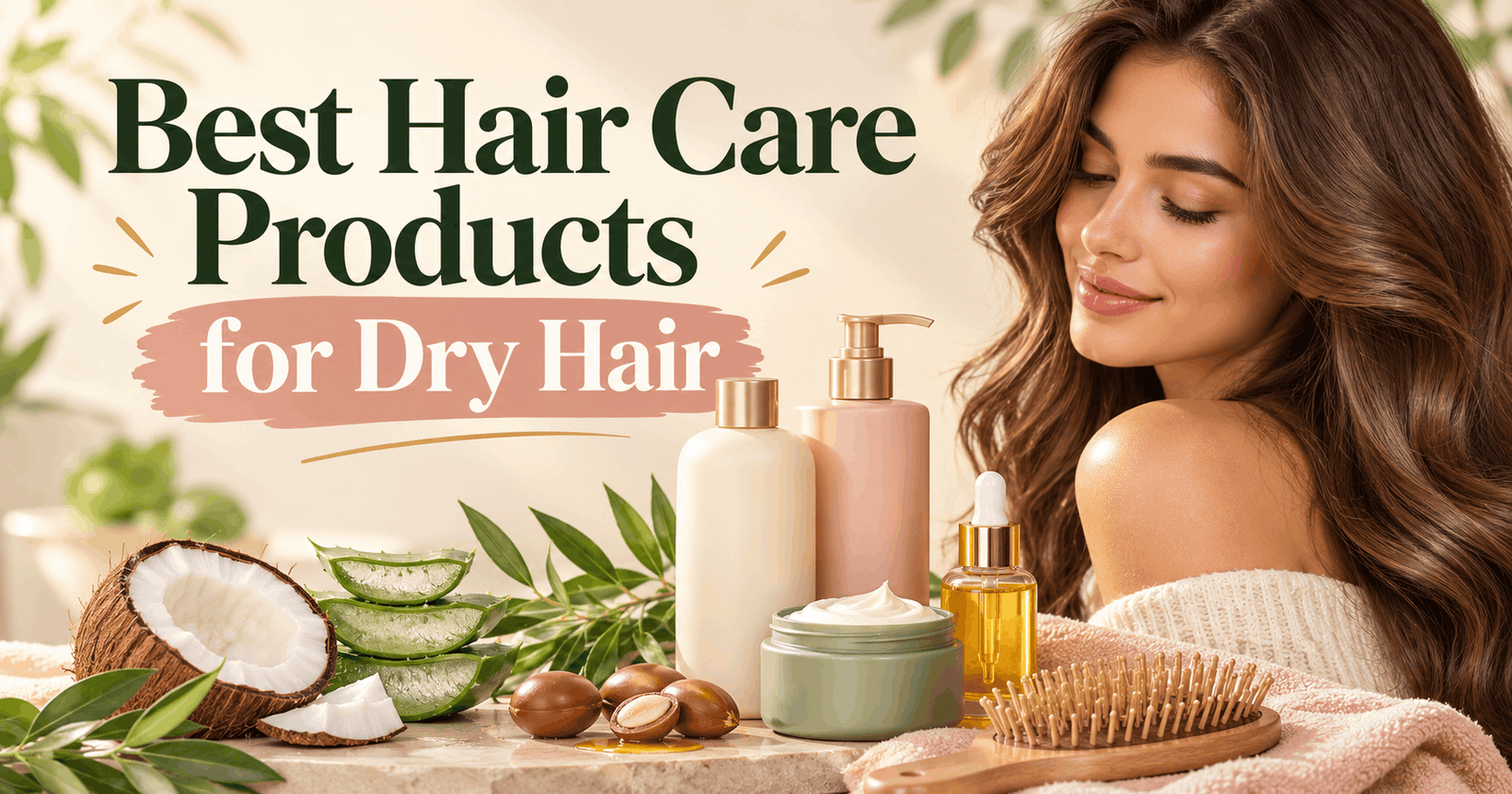
Best Hair Care Products for Dry Hair: Complete Guide to Repair and Hydrate Your Hair
Best Hair Care Products for Dry Hair: A Complete Guide to Soft, Smooth, Healthy-Looking Hair
Dry hair can be frustrating. Your hair may feel rough after washing, look dull in natural light, tangle easily, or become frizzy even when you use conditioner. The good news is that the right products and a consistent routine can make dry hair softer, smoother, and easier to manage.
Finding the best hair care products for dry hair starts with understanding what your hair needs. Some people need a gentle shampoo and a rich conditioner, while others benefit from weekly hair masks, leave-in treatments, nourishing oils, and heat protectants. The ideal combination depends on your hair texture, scalp condition, styling habits, and the amount of damage your hair has experienced.
In this guide, we will explore the most useful products for dry hair, the ingredients worth looking for, common mistakes to avoid, and a simple routine you can follow at home. Whether your hair is straight, wavy, curly, thick, or fine, these practical tips can help you build a routine that works for you.
1. Choose a Gentle Moisturizing Shampoo
A moisturizing shampoo is a good starting point for a dry-hair routine. Its main job is to remove sweat, excess oil, dirt, and product buildup without leaving your hair feeling unnecessarily stripped.
Look for formulas marketed for dry, damaged, curly, or color-treated hair. Ingredients such as glycerin, panthenol, aloe vera, and conditioning agents can help improve the feel of the hair. Some formulas also contain oils or other emollients that support softness.
You do not necessarily need a sulfate-free shampoo. Some people with dry hair prefer sulfate-free formulas because they feel gentler, but the overall formulation matters more than one ingredient alone. If your shampoo consistently leaves your hair rough, tangled, or squeaky, consider trying a milder option.
How to use it: Wet your hair thoroughly with lukewarm water. Apply shampoo mainly to the scalp and massage gently with your fingertips. Let the lather rinse through the lengths instead of aggressively rubbing them together.
Wash according to your scalp’s needs. An oily scalp may need more frequent cleansing than a dry scalp, while people who use many styling products may occasionally need a clarifying shampoo. Avoid using strong clarifying products too often if they leave your hair feeling brittle.
2. Use a Nourishing Conditioner After Every Wash
Conditioner is one of the most important products for dry hair because it helps smooth the hair surface, reduce friction, and make detangling easier. Although shampoo cleanses, conditioner improves the feel and manageability of the strands.
Look for conditioning ingredients such as fatty alcohols, behentrimonium compounds, and suitable emollients. Despite the name, fatty alcohols such as cetyl alcohol and cetearyl alcohol are commonly used to provide softness and are different from drying alcohols such as ethanol.
Shea butter, coconut oil, argan oil, and other nourishing ingredients may also be helpful, depending on the formula and your hair type. However, no single ingredient guarantees that a product will work well for everyone.
Apply conditioner mainly to the mid-lengths and ends, where dryness and tangling are often most noticeable. Fine hair may need a small amount, while thick or curly hair may benefit from more generous application. Follow the instructions on the product label before rinsing.
For better results, gently squeeze excess water from your hair before applying conditioner. This helps prevent the product from becoming overly diluted and makes it easier to distribute evenly.
3. Add a Deep Conditioning Hair Mask
If regular conditioner is not enough to make your hair feel manageable, consider adding a deep conditioning mask. Hair masks are often formulated with richer conditioning ingredients that help soften rough strands and reduce tangling.
A mask may be particularly useful for hair exposed to frequent heat styling, coloring, bleaching, or dry environmental conditions. Products containing fatty alcohols, oils, butters, and conditioning agents can improve softness and make hair easier to style.
For many people, using a mask once a week is a reasonable starting point. Very dry or coarse hair may benefit from more frequent use, while fine hair may need less product to avoid a flat or greasy finish.
Apply the mask to clean, damp hair, concentrating on the lengths and ends. Leave it on for the recommended time, then rinse thoroughly. Avoid applying a heavy mask directly to the scalp unless the product is specifically designed for scalp use.
Remember that a hair mask can improve the appearance and feel of damaged hair, but it cannot permanently repair every type of structural damage. Regular trimming and gentler styling habits may still be necessary to manage split ends and breakage.
4. Try a Leave-In Conditioner for Everyday Softness
A leave-in conditioner is useful when your hair becomes tangled or frizzy soon after washing. Unlike a rinse-out conditioner, it remains on the hair and provides ongoing conditioning between washes.
Leave-in products are available as sprays, creams, lotions, and lightweight milks. Sprays usually suit fine hair because they provide a lighter feel. Creams may work better for thick, coarse, curly, or highly textured hair that needs extra conditioning.
Look for products that help detangle, smooth, and protect the strands. Ingredients such as glycerin, panthenol, and conditioning polymers may help improve manageability. If your hair is easily weighed down, choose a lightweight formula and begin with a small amount.
After washing, gently remove excess water with a soft towel or microfiber towel. Distribute the leave-in conditioner through damp hair, focusing on the areas that tangle most easily. Use a wide-tooth comb to detangle gradually, starting at the ends and working upward.
You can also use certain leave-in products on dry hair if the label permits it. However, applying too much may cause buildup or make your hair look greasy, so start with less and adjust according to your results.
5. Use Hair Oil or Serum to Smooth Dry Ends
Hair oils and serums can help dry hair look shinier, feel smoother, and experience less friction during styling. They are especially useful when the ends look rough or become tangled throughout the day.
Argan oil, jojoba oil, and coconut oil are common options in hair care. Their effects vary depending on the formula and the person’s hair type. Some oils help reduce friction or limit protein loss under particular conditions, while silicone-based serums can coat the hair surface and improve smoothness.
Oil does not replace water-based conditioning, and applying more oil does not automatically make hair healthier. The goal is to use enough product to improve softness without leaving a heavy residue.
Rub one or two drops of a lightweight oil or serum between your palms and smooth it over the mid-lengths and ends. Add a little more only if needed. Fine hair generally requires less product, whereas thick or coarse hair may tolerate richer formulas.
If your scalp becomes oily, itchy, or irritated easily, avoid applying heavy oils directly to it unless a qualified professional recommends a suitable treatment. Focus on the lengths instead.
6. Choose a Heat Protectant Before Styling
Heat styling can make dry hair more vulnerable to roughness and breakage, especially when you use high temperatures frequently. A heat protectant is therefore an important addition if you regularly blow-dry, straighten, or curl your hair.
These products create a protective film that can help reduce heat-related damage when used as directed. They may also improve smoothness, reduce frizz, and make styling easier. However, no heat protectant can eliminate all damage caused by excessive heat.
Choose a product designed for your preferred styling method. Some sprays work well before blow-drying, while others are intended for use before hot tools. Always check the instructions to confirm whether the product should be applied to damp or dry hair.
Use the recommended amount and distribute it evenly. Allow the product to dry when instructed before using a flat iron or curling iron. Keep your styling tools at the lowest effective temperature and avoid repeatedly passing them over the same section.
Whenever possible, reduce the frequency of heat styling and allow your hair to air-dry partially before blow-drying. These small changes can help protect your hair over time.
7. Consider a Bond-Building Treatment for Damaged Hair
Dryness and structural damage are related, but they are not exactly the same. If your hair has been bleached, colored repeatedly, chemically straightened, or exposed to frequent heat, it may need more than moisture alone.
Bond-building treatments are designed to support the appearance, strength, or manageability of chemically or physically stressed hair, depending on the technology used. They can be helpful for some people with damaged strands, particularly when used alongside conditioning products and gentler styling practices.
Follow the treatment instructions carefully. Some products are used before shampooing, others replace a conditioner or mask, and some are leave-in treatments. Using several intensive products at once may not provide better results and can make your routine unnecessarily expensive.
Protein-containing treatments may also help some damaged hair feel stronger, but too much protein-focused care can leave certain hair types feeling stiff or rough. Balance strengthening treatments with conditioning and observe how your hair responds.
If your hair is severely breaking or has become unusually fragile after a chemical service, consult a trusted hairstylist before attempting additional treatments.
How to Choose Products for Your Hair Type
The most suitable routine depends on your hair’s texture, thickness, and condition. Instead of buying every product available, start with the essentials and add targeted treatments only when necessary.
Fine, dry hair: Choose a lightweight moisturizing shampoo, a rinse-out conditioner, and a spray leave-in. Apply oil sparingly to the ends. Rich masks can still be useful, but use small amounts and rinse thoroughly.
Thick or coarse hair: Look for richer conditioners, creamy leave-ins, and nourishing masks. These products can help reduce tangling and improve manageability. Introduce oils gradually to find the amount that works without creating buildup.
Curly or coily hair: Prioritize conditioning, gentle detangling, and products that support curl definition. Leave-in conditioners and suitable styling creams can help curls feel softer and look more defined. Detangle gently when the hair is conditioned and sufficiently wet.
Color-treated or bleached hair: Consider products formulated for color-treated hair, regular conditioning, and a suitable bond-building treatment if needed. Limit excessive heat and follow professional advice when your hair has significant chemical damage.
Dry hair with an oily scalp: Use a shampoo that cleans the scalp effectively without making the lengths feel excessively rough. Apply conditioner and richer treatments mainly from the mid-lengths to the ends.
These categories are starting points, not strict rules. Pay attention to how your hair behaves after washing and styling, and adjust your products accordingly.
A Simple Weekly Routine for Dry Hair
You do not need a complicated routine to improve your hair’s appearance. Consistency and the right combination of products are usually more useful than constantly switching between different formulas.
On wash days: Start with a gentle shampoo that suits your scalp. Follow with conditioner, then apply a leave-in product if your hair needs extra detangling or softness. Finish with a heat protectant if you plan to use heated styling tools.
Once a week: Replace your usual conditioning step with a hair mask when your hair needs additional softness. Follow the label instructions and avoid layering multiple heavy treatments unnecessarily.
Between washes: Use a small amount of serum or oil on dry ends if they look rough. Avoid repeatedly adding products when your hair already feels coated or greasy.
At bedtime: Reduce friction by using a smooth pillowcase or loosely securing long hair with a soft scrunchie. Avoid tight hairstyles that pull on the roots or place unnecessary tension on the strands.
Every few weeks: Review how your routine is working. If your hair feels heavy, reduce the amount of rich products. If it remains rough and tangled, reconsider your conditioner, washing habits, and exposure to heat.
Results will vary according to your hair’s condition and the cause of dryness. Focus on gradual improvements in softness, manageability, and breakage rather than expecting overnight transformation.
Common Hair Care Mistakes to Avoid
Even good products may not help much if everyday habits continue to damage the hair. A few simple changes can make your routine more effective.
First, avoid washing with very hot water. Lukewarm water is generally more comfortable and can help prevent unnecessary drying sensations. Second, do not rub wet hair aggressively with a towel. Instead, gently squeeze out excess water and detangle carefully.
Another common mistake is applying conditioner only occasionally. Dry lengths usually benefit from consistent conditioning after shampooing. At the same time, applying heavy oils and creams to every part of the hair may cause buildup, especially if your strands are fine.
Avoid brushing aggressively through knots. Start at the ends, work upward, and use a suitable detangling product when needed. Limit bleaching, frequent chemical treatments, and excessive heat where possible.
Finally, do not assume that expensive products always perform better than affordable ones. Read ingredient lists, compare formulas, consider your hair type, and test products gradually. A simple routine that suits your needs is often more valuable than a large collection of products.
Frequently Asked Questions
What are the best hair care products for dry hair?
The most useful options usually include a gentle moisturizing shampoo, a nourishing conditioner, a deep conditioning mask, and a leave-in conditioner. Hair oil or serum can help smooth dry ends, while a heat protectant is important for people who style their hair with hot tools. Choose products based on your hair texture, scalp needs, and level of damage.
How often should I wash dry hair?
There is no single washing schedule that works for everyone. Your scalp condition, activity level, hair texture, and styling routine all matter. Wash when your scalp needs cleansing, and use a gentle shampoo if frequent washing leaves your lengths feeling rough. Apply conditioner after each wash to help maintain softness and manageability.
Can hair oil repair dry and damaged hair?
Hair oil can improve shine, smoothness, and manageability, and certain oils may reduce friction or help protect strands. However, oil cannot permanently restore severely damaged hair or make split ends disappear. Combine appropriate conditioning with gentle handling, reduced heat exposure, and regular trims when needed.
How long does it take to improve dry hair?
Some products can make hair feel softer immediately after use, but longer-term improvements depend on the cause of dryness and your daily habits. Consistent conditioning and reduced heat damage may improve manageability over several weeks. Existing split ends cannot be permanently repaired with cosmetic products, so trimming may be necessary.
Should I use a hair mask and conditioner together?
You can use both if your hair needs extra conditioning, but you may not need them at every wash. Many people use regular conditioner after shampooing and substitute a hair mask for that step once a week. Follow the directions on each product and reduce heavy treatments if your hair becomes flat or coated.
Final Thoughts
Building a better routine starts with understanding what your hair needs instead of buying products based on promises alone. Gentle cleansing, consistent conditioning, targeted treatments, and careful styling can help dry hair feel softer and look healthier.
The best hair care products for dry hair are those that match your hair texture, address your specific concerns, and fit comfortably into your daily routine. Start with shampoo and conditioner, then introduce a mask, leave-in treatment, oil, or heat protectant when it serves a clear purpose.
Be patient, observe how your hair responds, and make changes gradually. With consistent care and fewer damaging habits, you can improve manageability, reduce unnecessary breakage, and enjoy smoother, more comfortable hair without making your routine complicated.