
How to Fix Patchy Makeup: Easy Tips for Flawless Skin
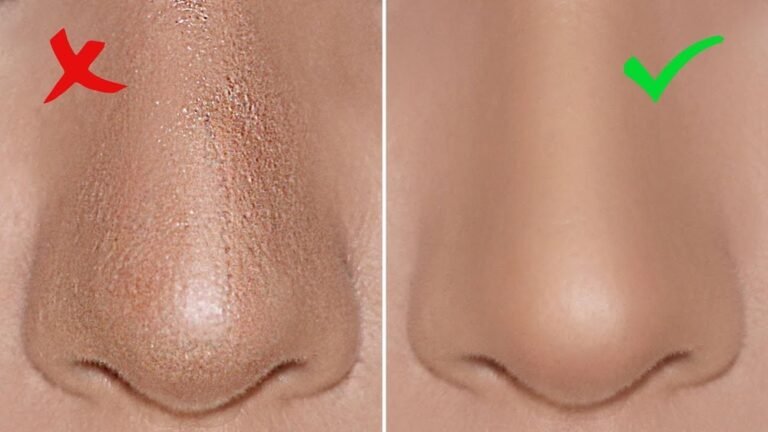
How to Fix Patchy Makeup only to find it patchy and uneven shortly after? It’s frustrating when your foundation or concealer doesn’t sit smoothly, making your skin look dry or cakey instead of flawless.
But don’t worry—you’re not alone, and the good news is that patchy makeup is fixable. Whether you’re heading out for an important event or just want a fresh, natural look, knowing how to fix patchy makeup can save your day and boost your confidence.
Keep reading, and you’ll discover simple, effective tips that will help your makeup glide on smoothly and stay perfect all day long.
Causes Of Patchy Makeup
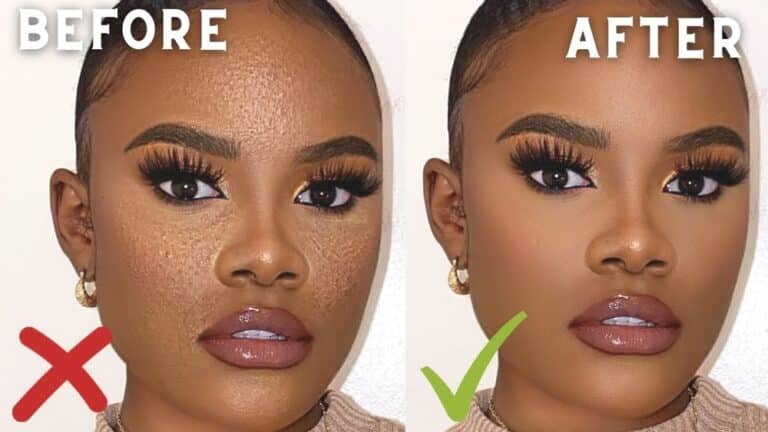
Patchy makeup can ruin your look and lower your confidence. Understanding what causes patchy makeup helps you avoid it. Several factors lead to uneven foundation and blotchy coverage. Below are the main causes you should know.
Dry And Dehydrated Skin
Dry skin does not hold makeup well. Makeup sticks to flaky, rough patches. Dehydrated skin absorbs products unevenly. This causes makeup to look cracked and patchy. Moisturized skin creates a smooth base for makeup.
Product Incompatibility
Some products do not mix well together. Using an oil-based primer with a water-based foundation can cause patchiness. Wrong combinations cause makeup to separate or clump. Always check if your products work well together. This helps makeup stay smooth and fresh.
Incorrect Application Techniques
Applying makeup too fast or with the wrong tools causes a patchy finish. Rubbing the foundation harshly can remove product in spots. Using dirty brushes or sponges leads to uneven coverage. Gentle dabbing and blending create an even look. Proper technique helps makeup last longer and look better.
Prep Steps For Smooth Base
Creating a smooth base is key to flawless makeup. Proper preparation helps the foundation apply evenly. Skip these steps, and makeup may look patchy or uneven. Follow simple prep routines to enhance your skin’s texture. These steps make your makeup last longer and look natural.
Moisturizing Properly
Hydrated skin holds makeup better. Dry skin causes foundation to cling unevenly. Use a lightweight moisturizer suited to your skin type. Apply it evenly and allow it to absorb fully. This step creates a smooth, soft surface for makeup. Avoid heavy creams that can clog pores or feel sticky.
Choosing The Right Primer
Primer creates a base for the foundation to stick to. Pick a primer that matches your skin needs. For oily skin, use mattifying primers to reduce shine. For dry skin, choose hydrating or illuminating primers. Apply a thin, even layer before foundation. This step helps the foundation go on smoothly and last all day.
Matching Foundation To Skin Type
Select foundation formulas that suit your skin type. Liquid foundations work well for dry and normal skin. Powder foundations suit oily and combination skin best. Use foundations with moisturizing ingredients if the skin is dry. For oily skin, look for oil-free, long-wear formulas. Correct matching prevents patchiness and improves finish.
Application Tips To Avoid Patchiness
Patchy makeup can ruin your look and lower your confidence. Proper application helps prevent uneven patches and streaks. Follow these simple tips to apply makeup smoothly and evenly for a flawless finish.
Applying In Thin Layers
Start with thin layers of foundation or concealer. Thick layers often cause patchiness and cakiness. Apply a small amount and build coverage gradually. Thin layers blend better and look more natural on your skin.
Patience is key. Let each layer dry slightly before adding the next. This method keeps makeup fresh and prevents clumping in dry or oily spots.
Tapping Instead Of Dragging
Tap your makeup gently onto your skin instead of dragging or rubbing it. Dragging can pull at dry patches and create uneven areas. Tapping helps the product settle smoothly.
Use a light, pressing motion with your fingers, sponge, or brush. This technique pushes makeup into the skin, blending it better and reducing patchy spots.
Using Appropriate Tools
Choose the right tools for your makeup type and skin texture. Sponges work best for liquid and cream products. Brushes are ideal for powders and blending.
Clean your tools regularly. Dirty brushes and sponges spread old makeup and bacteria. Clean tools help makeup go on smoothly and evenly every time.
Quick Fixes For Patchy Makeup
Patchy makeup can ruin your look quickly. Quick fixes help smooth uneven areas. These simple tricks restore your makeup without a full redo. They save time and keep your skin fresh.
Hydrating Mist And Sponge Blending
Use a hydrating mist to add moisture to your face. Spray lightly over patchy spots. Then, take a damp makeup sponge. Gently press and blend the makeup back into your skin. This melts the makeup layers together. It smooths dry, flaky patches instantly.
Spot Treatment With Moisturizer
Apply a small amount of moisturizer on your fingertips. Dab it on the patchy areas carefully. Use light tapping motions to avoid removing makeup. The moisturizer softens dry patches and helps makeup settle better. This method works well for small, stubborn spots.
Using Facial Steam To Soften Makeup
Stand over a bowl of hot water for a few minutes. Let the warm steam open your skin pores gently. The steam loosens hardened makeup on dry patches. After steaming, lightly pat your face with a clean cloth. This softens makeup and makes blending easier.
Maintenance Throughout The Day
Keeping your makeup fresh all day needs simple care. Small actions stop patchy makeup from showing. Maintain your look with easy steps. These tips help your makeup stay smooth and flawless.
Touching Up With Mineral Powder
Mineral powder is perfect for quick touch-ups. It blends well without adding weight. Use a light brush to apply it gently. Focus on areas where makeup fades or looks uneven. Mineral powder helps absorb excess oil and smoothens texture. It refreshes your look without caking.
Avoiding Excessive Touching
Touching your face often removes makeup and causes patchiness. Try not to rub or press on your skin. Use a tissue if you need to blot oil. Hands carry dirt and oil that break down makeup. Keeping your hands away protects your makeup and skin.
Carrying Essential Products
Carry a small makeup kit for quick fixes. Include mineral powder, blotting papers, and a compact mirror. A small brush or sponge helps with blending. Having these items lets you refresh your makeup anytime. Being prepared keeps your face looking flawless all day.
Product Recommendations
Choosing the right products is key to fixing patchy makeup. Hydration, smooth application, and long-lasting formulas all play a role. Here are some product types that help prevent and correct patchy foundation. These options keep skin moisturized and makeup flawless.
Best Hydrating Primers
Hydrating primers create a smooth base for makeup. They add moisture and help the foundation apply evenly. Look for primers with ingredients like hyaluronic acid or glycerin. These ingredients lock in moisture and prevent dryness.
Examples include:
- A primer with a lightweight gel texture for quick absorption.
- A creamy primer that nourishes dry patches before foundation.
- A primer with soothing botanical extracts to calm skin.
Foundations For Dry Skin
Foundations designed for dry skin tend to be more moisturizing. They avoid clinging to dry patches and blend well with hydrated skin. Choose foundations labeled as hydrating or dewy finish.
Look for formulas with:
- Light-reflecting particles to add glow.
- Creamy textures that spread smoothly.
- Added skincare benefits like vitamins or oils.
Setting Powders That Glide Smoothly
Setting powder can make or break your makeup look. Powders that glide on smoothly help avoid patchiness. They set makeup without drying or caking.
Seek powders that have:
- A finely milled texture for soft application.
- A translucent finish that does not mattify too much.
- Light-reflecting properties to keep skin radiant.
Frequently Asked Questions
What To Do When Your Makeup Gets Patchy?
Spritz a hydrating mist and gently press with a damp sponge to blend makeup. Apply a small moisturizer amount on dry patches, then reapply foundation if needed. Avoid thick layers and prep skin well to prevent future patchiness.
What Is The 2 3 Rule For Makeup?
The 2-3 rule for makeup means completing at least two of these: hair, makeup, or outfit. This ensures a polished look without needing all three to be perfect.
How To Fix A Patch In Your Makeup?
Spritz a hydrating mist on your face. Gently press with a damp sponge to blend. Tap moisturizer on dry patches. Use a Q-tip to remove lifted makeup, then reapply foundation. Avoid thick layers and always prep skin well to prevent future patchiness.
Why Does My Makeup Get Patchy After A Few Hours?
Makeup gets patchy due to dry skin, oil buildup, or improper application. Hydrate skin, use primer, and apply foundation in thin layers.
Conclusion
Fixing patchy makeup is easier than it seems. Keep your skin well-moisturized before applying makeup. Use a damp sponge to blend foundation smoothly. Touch up dry spots with a little moisturizer. Avoid heavy layers to prevent cakiness. Regularly clean your makeup tools for better application.
Practice these simple steps for a flawless look every day. Perfect skin starts with good habits and gentle care. Small fixes can make a big difference in your makeup’s finish. Stay patient and enjoy your fresh, even complexion.



One Comment