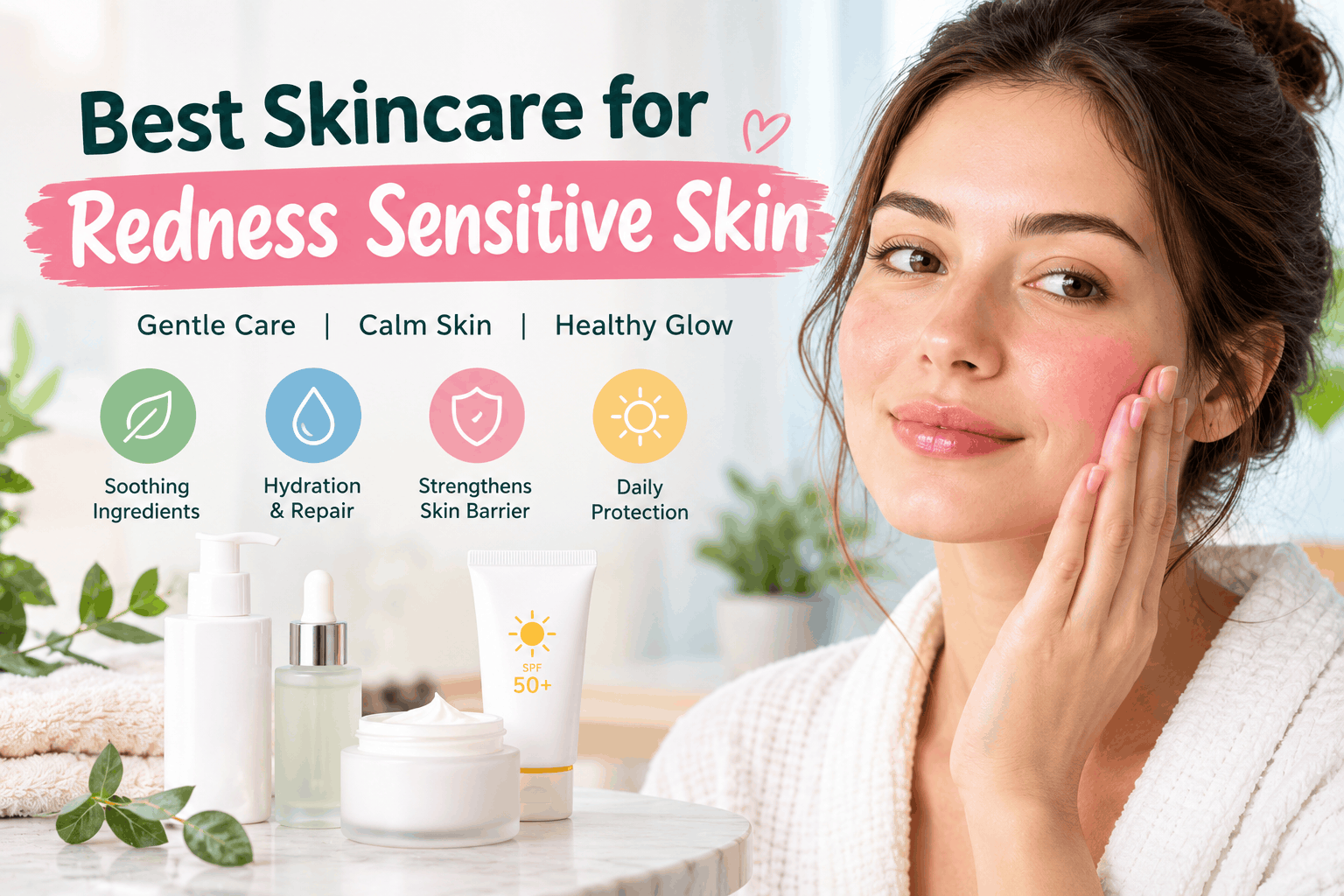
Best Skincare for Redness Sensitive Skin: A Gentle Guide
Best Skincare for Redness Sensitive Skin: A Simple Guide to Calmer Skin
Have you ever tried a new face cream, hoping it would make your skin look healthier, only to find your cheeks looking red and feeling uncomfortable afterward? If this sounds familiar, you are not alone. Many people deal with sensitive skin that reacts to skincare products, changes in weather, sunlight, or even washing their face.
Redness can be frustrating because it does not always have one clear cause. Sometimes, your skin is simply dry or irritated. In other cases, redness may be connected to a condition such as rosacea, eczema, or contact dermatitis. Understanding what your skin is reacting to can make choosing the right products much easier.
The good news is that you do not need a complicated skincare routine to care for sensitive skin. A gentle cleanser, a suitable moisturizer, and daily sunscreen can provide a useful starting point. The key is to choose products carefully, introduce them slowly, and pay attention to how your skin responds.
In this guide, we will explore the ingredients worth considering, how to build a practical daily routine, which products may make redness worse, and when it is time to speak with a dermatologist.
What Makes Sensitive Skin Look Red?
Skin redness can happen for several reasons. Sometimes, the outer layer of your skin becomes irritated or loses moisture, making it more vulnerable to products and environmental conditions. You may notice tightness, dryness, stinging, or small patches of redness after cleansing or applying moisturizer.
Other times, redness may be caused by an underlying skin condition. Rosacea, for example, can cause repeated flushing, visible blood vessels, and sensitivity around the cheeks and nose. Eczema and contact dermatitis may cause redness alongside itching, dryness, or a rash.
Everyday habits can also play a role. Washing your face with hot water, using rough exfoliating scrubs, trying several active ingredients at once, or spending time in strong sunlight may aggravate sensitive skin.
It is worth remembering that redness does not always mean your skin needs another treatment. Sometimes, the better approach is to stop using irritating products and return to a simple routine.
If redness keeps returning, becomes painful, or appears alongside swelling or a persistent rash, a dermatologist can help identify the cause. This matters because different skin conditions may look similar but require different treatments.
Best Skincare for Redness Sensitive Skin: Ingredients Worth Considering
When shopping for skincare, it is easy to feel overwhelmed by long ingredient lists and promises printed on product packaging. Rather than buying every product described as soothing, start with a few ingredients that support hydration and the skin barrier.
1. Ceramides for a Stronger Skin Barrier
Ceramides are naturally present in the outer layer of your skin. They help maintain the barrier that holds moisture in and protects the skin from everyday irritants.
When your skin feels rough, tight, or unusually dry, a moisturizer containing ceramides may help improve comfort and support the skin barrier. These moisturizers come in different textures, so you can choose one that suits your skin type.
If your face feels dry throughout the day, a cream may provide more lasting moisture than a lightweight gel. If you have oily skin, a lighter lotion may feel more comfortable.
2. Glycerin for Everyday Hydration
Glycerin is a humectant, which means it helps attract water to the skin. It is commonly used in moisturizers and gentle cleansers because it supports hydration without requiring a complicated routine.
A moisturizer containing glycerin can be useful if your skin feels tight after washing or becomes flaky in dry weather. It also works well alongside ingredients that help soften the skin and reduce moisture loss.
You do not necessarily need a separate hydrating serum. If your regular moisturizer already keeps your skin comfortable, adding another product may not provide much extra benefit.
3. Colloidal Oatmeal for Dry, Uncomfortable Skin
Colloidal oatmeal is finely ground oatmeal used in certain skincare products to soothe and moisturize dry, irritated skin. It may be a useful option when your face feels uncomfortable because of dryness.
You can find it in some creams, lotions, and products designed for sensitive skin. Choose a simple formula without unnecessary fragrance, and avoid oatmeal-based products if you have a known oat allergy unless a healthcare professional advises otherwise.
Remember that soothing ingredients can improve comfort, but they cannot treat every cause of facial redness.
4. Niacinamide for Skin Barrier Support
Niacinamide, also known as vitamin B3, is a common skincare ingredient that can support the skin barrier and improve the appearance of uneven skin tone.
Some people with redness-prone skin tolerate it well, while others experience stinging or irritation. If you decide to try it, start with a simple product containing a modest concentration rather than immediately choosing a highly concentrated formula.
Introduce it gradually and stop using it if your skin becomes persistently irritated. More active ingredients do not automatically mean better results.
5. Hyaluronic Acid for Moisture
Hyaluronic acid helps attract and retain moisture, making it a popular ingredient in hydrating serums and moisturizers. It may be useful if your skin feels dehydrated or looks dull because of dryness.
Choose a fragrance-free formula and apply it according to the product instructions. Follow with a moisturizer if needed to help keep your skin comfortable.
Hyaluronic acid is mainly a hydrating ingredient, so it should not be treated as a cure for rosacea, allergies, or other medical causes of redness.
How to Build a Gentle Morning Skincare Routine
A good morning routine should protect your skin without leaving it feeling tight or irritated. You can keep things simple and add other products later if your skin tolerates the basics.
Step 1: Wash Your Face Gently
Choose a mild cleanser that removes overnight oil and sweat without stripping your skin. Avoid cleansers that leave your face feeling unusually dry or squeaky after washing.
Use lukewarm water and your fingertips. There is no need to scrub, use a rough washcloth, or massage your face aggressively. Rinse thoroughly and pat your skin dry with a clean, soft towel.
If your skin is extremely dry or reactive, ask your dermatologist whether you need a cleanser in the morning or whether a gentler approach would suit you better.
Step 2: Apply a Suitable Moisturizer
After cleansing, apply a moisturizer that suits your skin type. Ingredients such as ceramides and glycerin may help maintain hydration and support the skin barrier.
Do not assume that oily skin does not need moisturizer. A lightweight, non-comedogenic formula may help keep oily skin comfortable without feeling heavy.
If your moisturizer repeatedly causes burning or increased redness, stop using it and review the ingredients. A product marketed for sensitive skin can still contain something your skin does not tolerate.
Step 3: Finish With Sunscreen
Sun exposure can worsen redness in some people, particularly those with rosacea-prone skin. Apply a broad-spectrum sunscreen with SPF 30 or higher as the final step of your morning routine.
If sunscreen tends to sting, consider a fragrance-free mineral formula containing zinc oxide, titanium dioxide, or both. Test the product before applying it regularly to your entire face.
Wear a hat, seek shade when possible, and reapply sunscreen according to its label, especially when spending time outdoors, sweating, or swimming.
Best Skincare for Redness Sensitive Skin: What to Avoid
Choosing gentle products is only half the job. Knowing which products to leave out can help prevent unnecessary irritation.
Avoid Harsh Exfoliation
Scrubs, strong exfoliating acids, and frequent peeling treatments can make sensitive skin feel worse, especially when the skin barrier is already irritated.
If your face is burning, peeling, or unusually red, take a break from exfoliating products until your skin feels comfortable again. You can discuss suitable treatments with a dermatologist if you have persistent clogged pores, acne, or uneven texture.
Be Careful With Fragrance
Fragrance can trigger irritation or allergic reactions in some people. For redness-prone skin, fragrance-free products are often a sensible starting point.
Do not assume that a product labeled “natural” or “botanical” will automatically be gentle. Essential oils and plant extracts can also cause reactions.
Do Not Introduce Too Many Products at Once
Trying a new cleanser, serum, exfoliant, and moisturizer during the same week makes it difficult to work out which product caused a reaction.
Instead, introduce one new product at a time. Give yourself enough time to observe how your skin responds before adding another product.
If irritation begins, stop the newest product and return to the basics that you already tolerate.
Skip Hot Water and Rough Towels
Hot water can strip away moisture and leave your face feeling uncomfortable. Vigorous rubbing can add friction to already irritated skin.
Use lukewarm water, handle your face gently, and pat it dry rather than rubbing it. These small changes can make your daily routine more comfortable.
How to Choose Products for Your Skin Type
Sensitive skin can also be dry, oily, combination, or acne-prone. Choosing products that suit both your skin type and sensitivity can help you avoid unnecessary discomfort.
For dry skin: Look for a richer, fragrance-free cream that helps prevent moisture loss. Ceramides and glycerin are useful ingredients to consider.
For oily skin: Choose a lightweight moisturizer that feels comfortable and does not clog pores. Avoid skipping hydration simply because your skin produces excess oil.
For combination skin: A light lotion may work well across most of your face, while dry areas may need a little extra moisturizer.
For acne-prone skin: Choose non-comedogenic products and be careful with strong acne treatments. If you have redness and acne-like bumps together, a dermatologist can help determine whether acne, rosacea, or another condition is responsible.
The goal is not to find the most expensive product. It is to find products that work comfortably with your skin and are easy to use consistently.
How to Test New Skincare Products Safely
Even a well-formulated product can irritate certain individuals. Testing a new product before using it across your face can help you identify possible reactions.
The American Academy of Dermatology recommends testing a skincare product on a small area of skin twice daily for seven to ten days when possible. Follow the product directions and watch for redness, itching, swelling, or burning.
If a reaction develops, stop using the product. A home test cannot guarantee that a product will never cause irritation, but it can be a helpful precaution.
Avoid testing several new products simultaneously. Introducing one product at a time makes it easier to understand what your skin likes and what it does not tolerate.
Everyday Habits That May Help Manage Redness
Skincare products are important, but your everyday habits can also influence how your skin feels.
Pay attention to sunlight. Wear sunscreen daily, use shade when possible, and consider a wide-brimmed hat when spending time outdoors.
Notice your personal triggers. Heat, hot drinks, spicy foods, stress, and other factors may worsen flushing in some people. Triggers are individual, so keep a simple diary if you notice repeated patterns.
Keep your routine consistent. Constantly switching products can introduce new irritants and make it difficult to identify what works.
Be gentle after exercise. If your face becomes flushed after a workout, cool down gradually and rinse away sweat with lukewarm water. Avoid immediately applying several active treatments to warm, irritated skin.
Maintain comfortable indoor conditions. Very dry air, strong winds, and sudden temperature changes may aggravate sensitive skin. Use practical measures to protect your face when these conditions affect you.
These habits may help reduce irritation, but they are not substitutes for medical treatment when redness is caused by an underlying condition.
When Should You See a Dermatologist?
If redness appears occasionally after using a particular product, stopping that product may be enough to help your skin settle. However, redness that continues for weeks or repeatedly returns deserves closer attention.
Consider seeing a dermatologist if you notice persistent flushing, visible blood vessels, ongoing itching, a rash, acne-like bumps, or a burning sensation that interferes with everyday activities. These symptoms may indicate rosacea, eczema, contact dermatitis, or another condition that needs specific treatment.
Seek urgent medical care if you experience sudden facial swelling with difficulty breathing or other signs of a serious allergic reaction. Eye pain, light sensitivity, or changes in vision also require prompt medical assessment.
A dermatologist can help identify the cause of your symptoms and recommend a treatment plan suited to your skin. This may include prescription medication as well as a gentle skincare routine.
Frequently Asked Questions
What is the best moisturizer for sensitive skin with redness?
A fragrance-free moisturizer containing ingredients such as ceramides or glycerin may help keep the skin hydrated and support its barrier. The best formula depends on whether your skin is dry, oily, or combination.
Can I use vitamin C if my skin is sensitive?
Some people tolerate vitamin C products, while others experience stinging or irritation. If your skin is already inflamed, focus on gentle cleansing, moisturizing, and sun protection first. Introduce vitamin C cautiously if your skin becomes comfortable.
How long does it take to see an improvement?
Dryness-related discomfort may improve as your skin becomes better hydrated, but the timeline varies. Persistent redness caused by rosacea or another condition may need medical treatment. Seek professional advice if symptoms continue or worsen.
Should I stop using skincare when my face becomes red?
You may need to pause irritating active ingredients, but gentle cleansing, a well-tolerated moisturizer, and suitable sunscreen can remain helpful. If even basic products cause significant discomfort, consult a dermatologist.
Final Thoughts
Caring for sensitive, redness-prone skin does not have to mean buying a shelf full of products. Start with gentle cleansing, a moisturizer that keeps your skin comfortable, and daily sun protection. Avoid harsh scrubs, unnecessary fragrance, and the temptation to try several new treatments at once.
When choosing the best skincare for redness sensitive skin, focus on products your skin tolerates rather than promises of instant results. Ingredients such as ceramides, glycerin, and colloidal oatmeal may be useful additions, but no ingredient works for everyone.
Most importantly, pay attention to your skin. If redness persists, becomes painful, or keeps returning despite a gentle routine, seek advice from a dermatologist. Understanding the cause of your symptoms is often the most useful step toward finding a routine that works for you.