What Oil is Best for Removing Makeup: Top Choices Revealed
What Oil is Best for Removing Makeup, and the first step often starts with removing makeup the right way. If you use the wrong product, it can irritate your skin, clog your pores, and even cause breakouts. That’s why many have turned to oils for removing makeup.
But with so many choices—coconut, olive, jojoba, mineral, and more—how do you know which oil is best for removing makeup? This guide will help you understand the options, the science behind them, and how to choose the best oil for your skin type.
Why Use Oil To Remove Makeup?
Oil has a special power: it can dissolve makeup, sunscreen, and even stubborn waterproof products. This is because like dissolves like—oil grabs onto makeup and lifts it away from your skin. Many traditional cleansers can strip the skin, making it dry and tight. Oils, on the other hand, can keep your skin soft while removing dirt and makeup.
A lot of people worry that oil will make their face greasy or cause pimples. The truth is, the right oil can actually balance your skin, even if you have oily or acne-prone skin. Not all oils are heavy or pore-clogging.
Some are light and non-comedogenic, meaning they won’t block your pores.
How Does Oil Cleansing Work?
Oil cleansing is more than just wiping your face with oil. It uses the principle that oil attracts oil. When you massage oil onto your skin, it mixes with the natural oils and makeup. Adding water and wiping it away with a warm cloth removes the mix, leaving your skin clean but not stripped.
Here’s a simple way to use oil for makeup removal:
- Pour a small amount of oil into your hand.
- Gently massage it onto dry skin for about 1-2 minutes.
- Wet a washcloth with warm water, wring it out, and lay it over your face.
- Gently wipe away the oil, makeup, and dirt.
- Rinse your face if you like, or follow with a gentle cleanser for double cleansing.
What Makes A Good Makeup-removing Oil?
Not all oils are the same. A good makeup-removing oil should:
- Dissolve makeup easily: It should break down stubborn products like waterproof mascara.
- Rinse off well: Oils that leave a heavy film can feel uncomfortable.
- Be gentle: It shouldn’t irritate your skin or eyes.
- Match your skin type: Some oils work better for oily skin, others for dry or sensitive skin.
Some oils are known as carrier oils (like jojoba or sweet almond oil). These are safe for skin and used as a base. Others, like essential oils, are too strong to use alone and should be mixed with a carrier oil.
Let’s explore the most popular oils for removing makeup, their benefits, drawbacks, and which skin types they suit best.
The Best Oils For Removing Makeup
1. Coconut Oil
Coconut oil is a favorite for many people. It’s solid at room temperature but melts on your skin. It removes even waterproof makeup easily.
Benefits:
- Contains lauric acid, which can fight bacteria.
- Moisturizes the skin well.
- Affordable and easy to find.
Drawbacks:
- Can clog pores for some people, especially those with oily or acne-prone skin.
- May leave a residue if not rinsed well.
Best for: Dry to normal skin. Not ideal for oily or acne-prone skin.
2. Olive Oil
Olive oil is another kitchen staple used for centuries as a beauty product.
Benefits:
- High in antioxidants like vitamin E.
- Gentle and nourishing.
- Breaks down heavy makeup.
Drawbacks:
- Some people find it leaves a greasy film.
- Can feel too heavy for oily skin.
Best for: Dry and mature skin.
3. Jojoba Oil
Jojoba oil is unique because its structure is close to the skin’s natural sebum.
Benefits:
- Non-comedogenic (won’t clog pores).
- Balances oil production.
- Lightweight and absorbs well.
Drawbacks:
- More expensive than some other oils.
- Some people may be allergic (rare).
Best for: All skin types, especially oily and acne-prone skin.
4. Sweet Almond Oil
Sweet almond oil is light and gentle, making it a good option for sensitive skin.
Benefits:
- Packed with vitamins A and E.
- Soothes inflammation.
- Easily removes makeup without heavy residue.
Drawbacks:
- Not suitable for people with nut allergies.
- Slightly less effective on waterproof mascara.
Best for: Sensitive, dry, and combination skin.
5. Grapeseed Oil
Grapeseed oil is light and fast-absorbing.
Benefits:
- High in linoleic acid (good for acne-prone skin).
- Non-greasy feel.
- Contains antioxidants.
Drawbacks:
- Can be hard to find in regular stores.
- Mild odor that some people dislike.
Best for: Oily and acne-prone skin.
6. Mineral Oil
Mineral oil is found in many commercial makeup removers.
Benefits:
- Very effective at dissolving makeup.
- Hypoallergenic and rarely irritates.
Drawbacks:
- Derived from petroleum (some avoid it for this reason).
- Not natural.
- Can feel heavy.
Best for: Most skin types except very oily skin.
7. Sunflower Oil
Sunflower oil is rich in vitamins and easy to find.
Benefits:
- Lightweight and gentle.
- High in vitamin E.
- Good for removing eye makeup.
Drawbacks:
- Can oxidize quickly if not stored properly.
- May cause breakouts in some people.
Best for: Normal and sensitive skin.
8. Safflower Oil
Safflower oil is similar to sunflower oil but even lighter.
Benefits:
- Non-comedogenic.
- Good for acne-prone skin.
- Contains linoleic acid.
Drawbacks:
- Less moisturizing than heavier oils.
- Can spoil quickly.
Best for: Oily and combination skin.
9. Argan Oil
Argan oil is known as “liquid gold” in Morocco.
Benefits:
- High in antioxidants and fatty acids.
- Nourishes and softens skin.
- Non-greasy feel.
Drawbacks:
- Expensive.
- Some fake products on the market.
Best for: All skin types, especially dry and mature skin.
10. Avocado Oil
Avocado oil is rich and deeply moisturizing.
Benefits:
- Packed with vitamins A, D, and E.
- Heals and soothes dry skin.
- Removes heavy makeup.
Drawbacks:
- Feels heavy for oily skin.
- May not wash off easily.
Best for: Dry and mature skin.
11. Castor Oil
Castor oil is often used mixed with other oils.
Benefits:
- Deep cleansing effect.
- Helps dissolve stubborn makeup.
- Can reduce inflammation.
Drawbacks:
- Very thick and sticky.
- Can be drying if used alone.
Best for: Mixed with another carrier oil for all skin types.
12. Hemp Seed Oil
Hemp seed oil is gaining popularity for skincare.
Benefits:
- Balances oil production.
- High in omega-3 and omega-6 fatty acids.
- Good for calming inflammation.
Drawbacks:
- Can spoil quickly.
- Some dislike the earthy smell.
Best for: Oily, acne-prone, and sensitive skin.
13. Rosehip Oil
Rosehip oil is known for its anti-aging benefits.
Benefits:
- Rich in vitamin C and retinoic acid.
- Helps fade scars and dark spots.
- Lightweight.
Drawbacks:
- Expensive.
- Can irritate very sensitive skin.
Best for: Mature, dry, and combination skin.
14. Marula Oil
Marula oil is a luxury oil from Africa.
Benefits:
- Fast-absorbing.
- High in antioxidants.
- Softens skin without clogging pores.
Drawbacks:
- Pricey.
- Not easily available everywhere.
Best for: All skin types, especially sensitive skin.
15. Rice Bran Oil
Rice bran oil is less known but very effective.
Benefits:
- Contains vitamin E and oryzanol.
- Lightweight but moisturizing.
- Good for removing sunscreen and makeup.
Drawbacks:
- Not as common in regular stores.
- May feel greasy for some.
Best for: Normal to dry skin.
16. Camellia Oil
Camellia oil is prized in Japanese skincare.
Benefits:
- Very lightweight.
- Packed with oleic acid.
- Gentle for eye area.
Drawbacks:
- Expensive.
- Can go rancid if not fresh.
Best for: Sensitive and mature skin.
17. Apricot Kernel Oil
Apricot kernel oil is gentle and mild.
Benefits:
- Light texture.
- Soothes irritated skin.
- Removes makeup without residue.
Drawbacks:
- May not remove waterproof products as well.
- Not for people with nut allergies.
Best for: Sensitive and combination skin.
18. Macadamia Oil
Macadamia oil is close to the skin’s natural oil.
Benefits:
- Deeply moisturizing.
- Fast-absorbing.
- Helps improve skin elasticity.
Drawbacks:
- Heavy for oily skin.
- Expensive.
Best for: Dry and aging skin.
19. Pumpkin Seed Oil
Pumpkin seed oil is rich in zinc and vitamins.
Benefits:
- Supports skin healing.
- Non-greasy.
- Removes makeup well.
Drawbacks:
- Green color can stain fabrics.
- Not widely available.
Best for: Combination and oily skin.
20. Neem Oil
Neem oil is known for healing properties.
Benefits:
- Antibacterial and antifungal.
- Helps with acne.
- Removes makeup and soothes inflammation.
Drawbacks:
- Strong, earthy smell.
- Can irritate sensitive skin.
Best for: Oily and acne-prone skin.
Comparing Popular Oils For Makeup Removal
To help you compare, here is a table showing the main features of some popular oils:
| Oil | Comedogenic Rating (0-5) | Best For | Main Benefit | Main Drawback |
|---|---|---|---|---|
| Coconut | 4 | Dry skin | Deep moisturizing | Clogs pores for some |
| Jojoba | 2 | All skin types | Balances oil | Cost |
| Grapeseed | 1 | Oily skin | Non-greasy | Odor |
| Olive | 2 | Dry/mature | Antioxidants | Heavy feel |
| Mineral | 0 | Most types | Effective | Not natural |
| Hemp seed | 0 | Oily/acne-prone | Calms skin | Spoils quickly |
How To Choose The Best Oil For Your Skin Type
Your skin type plays a big part in picking the right oil. A heavy oil can help dry skin, but make oily skin worse. Here’s what to consider:
Dry Skin
Look for rich, moisturizing oils like coconut, olive, avocado, macadamia, or argan. These nourish and prevent dryness. Avoid oils that dry out the skin, like pure castor oil.
Oily And Acne-prone Skin
Go for light, non-comedogenic oils like grapeseed, hemp seed, safflower, or jojoba. These help balance oil and won’t clog pores. Avoid heavy oils like coconut oil.
Sensitive Skin
Choose gentle, fragrance-free options like apricot kernel, sunflower, or camellia oil. Always patch test before using a new oil.
Combination Skin
Try a blend—jojoba or sweet almond oil works well. You can even mix two oils: a heavier one for dry areas, a lighter one for oily zones.
Mature Skin
Oils rich in antioxidants, like rosehip, argan, or marula, support aging skin and help with elasticity.
Common Mistakes When Using Oils For Makeup Removal
Many beginners make simple mistakes that affect results:
- Using too much oil: Only a small amount is needed. Too much can make it hard to rinse off.
- Not massaging long enough: Take at least 1-2 minutes to let the oil break down all makeup.
- Skipping the warm cloth: This step is key for lifting away all oil and makeup.
- Not double cleansing: If you wear heavy makeup, use a gentle water-based cleanser after oil to avoid residue.
- Choosing the wrong oil: Not every oil suits every skin type. Patch test to avoid breakouts or irritation.
How To Patch Test A New Oil
Before using any oil all over your face, always do a patch test:
- Apply a small amount of oil behind your ear or on your jawline.
- Wait 24-48 hours.
- Check for redness, itching, or bumps.
If there’s no reaction, the oil is likely safe for your skin.
Steps For Effective Oil Makeup Removal
To get the most out of oil cleansing, follow these steps:
- Wash your hands to avoid spreading bacteria.
- Apply oil to dry face, massaging gently in circles—focus on eyes, lips, and areas with heavy makeup.
- Let oil sit for 30 seconds for stubborn makeup.
- Wet a soft washcloth with warm (not hot) water, wring out, and lay on your face for 10-15 seconds.
- Wipe gently—don’t scrub.
- Rinse and repeat if needed.
- Optional: Follow with a mild cleanser (double cleansing) for extra clean skin.
Diy Oil Blends For Makeup Removal
Sometimes, mixing two or more oils gives better results. Here are two simple blends:
For Dry Skin
- 2 parts coconut oil
- 1 part olive oil
- 1 part sweet almond oil
Mix and store in a clean jar.
For Oily/Acne-Prone Skin
- 2 parts grapeseed oil
- 1 part jojoba oil
- 1/2 part hemp seed oil
Mix and store in a dark glass bottle.
Oil Vs. Micellar Water Vs. Traditional Makeup Removers
How does oil compare with other popular makeup removers? Here’s a quick look:
| Type | Effectiveness | Gentleness | Moisturizing | Best For |
|---|---|---|---|---|
| Oil | Excellent | High | Yes | All, especially dry skin |
| Micellar Water | Good | High | No | Sensitive, quick removal |
| Traditional Remover | Varies | Medium | No | Heavy makeup |
Non-obvious Insights About Oil Cleansing
Most people know that oil removes makeup, but here are some less-known facts:
- Oils can protect your skin barrier. Unlike harsh cleansers, most oils leave the skin barrier intact, which reduces redness and sensitivity over time.
- Using a warm (not hot) cloth is key. Very hot water can dry or irritate skin, while a warm cloth opens pores just enough for deep cleaning.
- Mixing oils boosts benefits. For example, adding a few drops of tea tree oil (mixed into a carrier oil) can help fight acne while cleansing.
When Should You Avoid Oil Cleansing?
Oil cleansing isn’t for everyone. You should avoid it if:
- You have an active skin infection or open wounds.
- You’re allergic to the oil (patch test is a must).
- Your dermatologist advises against it for certain skin conditions.
Storing And Handling Oils Safely
Natural oils can spoil, especially those high in polyunsaturated fats. Here’s how to store them:
- Keep oils in a dark, cool place.
- Use dark glass bottles if possible.
- Avoid touching the oil with fingers; use a dropper or spoon.
Some oils, like hemp seed and safflower, go rancid quickly. Always check the smell and color before use.
Are Oil Cleansers Different From Pure Oils?
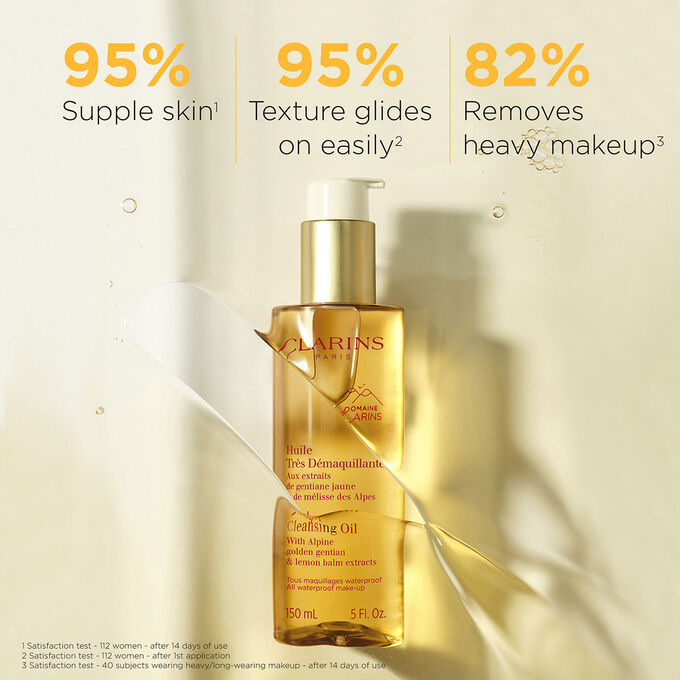
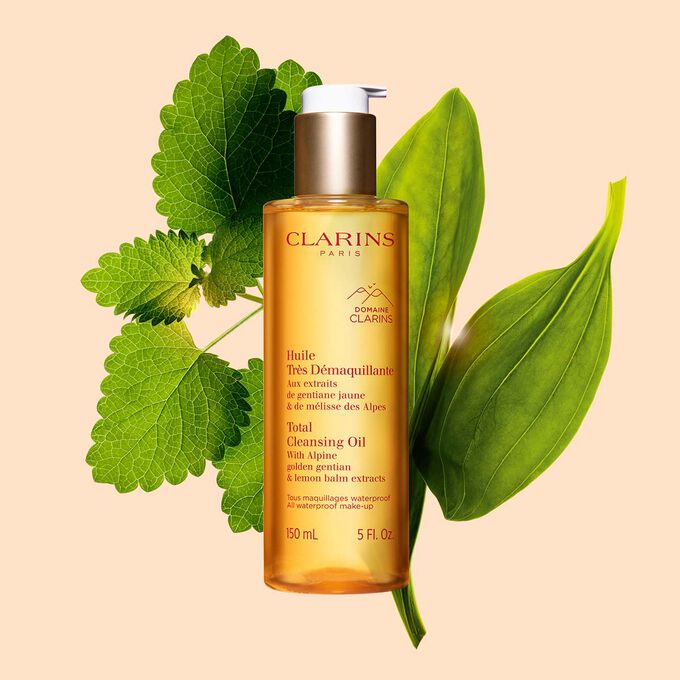
Yes. Oil cleansers (sold in stores) are often a mix of oils and emulsifiers. Emulsifiers help oil mix with water, making it easier to rinse off. Pure oils work well but may need extra rinsing or double cleansing.
If you wear heavy or waterproof makeup, a commercial oil cleanser may be easier to remove completely. If you prefer a natural routine, pure oils are a great choice.
Are There Risks To Using Oil For Makeup Removal?
For most people, oils are safe. But risks include:
- Allergic reactions: Always patch test.
- Breakouts: If you use a comedogenic oil (like coconut) on acne-prone skin.
- Residue: Not removing all oil can trap dirt, leading to pimples.

What Do Dermatologists Say?
Many dermatologists agree that oil-based makeup removal is gentle and effective. They recommend:
- Always patch test new oils.
- Choose oils with a low comedogenic rating for oily/acne-prone skin.
- Double cleanse if you wear heavy makeup.
For more on comedogenic ratings, see the Wikipedia page on comedogenicity.
Frequently Asked Questions
What Oil Removes Waterproof Mascara Best?
Jojoba oil and mineral oil are both excellent for stubborn waterproof mascara. Coconut oil also works well, but may leave a residue. Always use a gentle touch on your eye area.
Is Coconut Oil Safe For All Skin Types?
Coconut oil is safe but not ideal for everyone. It can clog pores for oily or acne-prone skin. If you have dry or normal skin, it’s usually fine. Patch test before using on your face.
How Often Should I Use Oil For Makeup Removal?
You can use oil every night if you wear makeup. If your skin feels oily or breaks out, try switching to a lighter oil or double-cleansing with a gentle face wash afterward.
Can I Use Cooking Oils From My Kitchen?
Some kitchen oils (like olive oil or sunflower oil) are safe, but quality matters. Always use cold-pressed, unrefined oils. Avoid oils with additives or flavors.
Is Oil Cleansing Better Than Using Wipes?
Yes, oil cleansing is usually gentler and more effective. Wipes can irritate skin and may not remove all makeup. Oil cleansing protects your skin barrier and leaves your skin softer.
Final Thoughts
Choosing the best oil for removing makeup depends on your skin type, preferences, and budget. There’s no single “best” oil for everyone, but options like jojoba, grapeseed, sweet almond, and olive oil are safe bets for most people. Always patch test, use clean hands and tools, and store oils properly. Remember, the right oil can make your skin clean, soft, and healthy—without harsh chemicals.
With a bit of trial and attention to your skin’s needs, you’ll find the oil that fits your routine perfectly. Happy cleansing!