Which Oil is Best for Makeup Removal? Expert Tips and Top Picks
Which Oil is Best for Makeup Removal is not just about wiping away mascara or foundation. It’s about protecting your skin, avoiding irritation, and making sure your face feels clean and comfortable. With so many oils available, each promising glowing, soft skin, it’s easy to feel confused about which oil is best for makeup removal.
Let’s explore the science, benefits, and real-life experiences behind the most popular oils, so you can make an informed choice that fits your unique skin needs.
Why Use Oil For Makeup Removal?
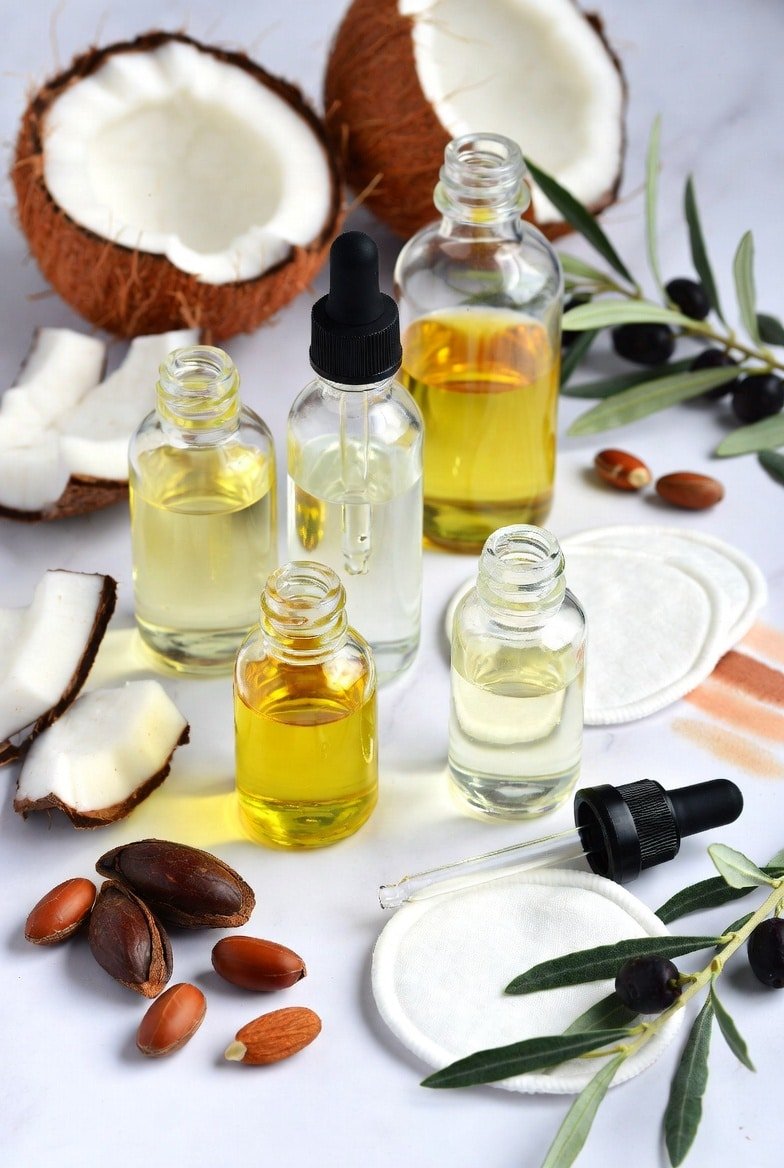
Many people wonder why oil is recommended for makeup removal instead of traditional cleansers. The answer lies in chemistry: oil dissolves oil. Most makeup products, sunscreen, and even your own skin’s sebum are oil-based. Water-based cleansers can’t break them down effectively. But plant and mineral oils bond with makeup, lifting it off the skin without harsh rubbing. This approach is called the oil cleansing method, and it has roots in ancient beauty rituals, especially across Asia and the Middle East.
Using oil for makeup removal has several advantages:
- Gentle cleansing: Oils soften and dissolve makeup without pulling or stretching the skin.
- Moisturizing effect: Unlike some soaps that strip natural oils, makeup-removing oils can leave skin feeling hydrated and comfortable.
- Fewer harsh chemicals: Many oils are single-ingredient, minimizing the risk of irritation from additives or fragrances.
- Suited for all skin types: With the right oil, even oily or acne-prone skin can benefit, contrary to common myths.
What Makes An Oil Good For Makeup Removal?
Not all oils are created equal. Some are lightweight and absorb quickly, while others are thick or greasy. The best oils for makeup removal share a few common traits:
- Non-comedogenic: They don’t clog pores.
- Effective at breaking down makeup: Even waterproof formulas.
- Easy to rinse: They wash off cleanly, ideally without leaving residue or requiring harsh scrubbing.
- Low risk of irritation: Especially important for sensitive or reactive skin.
Let’s compare some popular oils on these factors.
| Oil Type | Comedogenic Rating (0–5) | Rinses Easily? | Good for Waterproof Makeup? |
|---|---|---|---|
| Jojoba | 2 | Yes | Yes |
| Coconut | 4 | No | Yes |
| Olive | 2 | Yes | Yes |
| Sweet Almond | 2 | Yes | Yes |
| Mineral | 0 | Yes | Yes |
| Grapeseed | 1 | Yes | Yes |
| Argan | 0 | Yes | Yes |
The comedogenic rating refers to how likely an oil is to block pores (0 = least likely). A lower rating is better for those with acne-prone or oily skin.
The Best Oils For Makeup Removal: Top Choices Explained
Now, let’s look closely at the most popular and effective oils for removing makeup. Each one has unique properties, benefits, and possible drawbacks.
1. Jojoba Oil
Jojoba oil is actually a liquid wax, not a true oil. It closely mimics the skin’s natural sebum, so it feels light and absorbs quickly. This makes it a favorite for all skin types, especially oily or acne-prone skin.
- Benefits: Non-comedogenic, balances oil production, rich in vitamins E and B-complex.
- Drawbacks: Slightly pricier than some other oils, but a little goes a long way.
- Usage Tip: Massage a small amount onto dry skin, then wipe away with a warm, damp cloth.
2. Coconut Oil
Coconut oil is famous for its strong makeup-dissolving ability, even for waterproof mascara or long-wear lipstick. It’s thick, so you need only a small amount.
- Benefits: Highly effective, pleasant scent, antibacterial properties.
- Drawbacks: High comedogenic rating, which means it can clog pores and cause breakouts, especially for oily or acne-prone skin.
- Usage Tip: Best for dry or normal skin. If you’re breakout-prone, use with caution and rinse thoroughly.
3. Olive Oil
Olive oil has been used for centuries in the Mediterranean for cleansing and skincare. It’s full of antioxidants and feels nourishing.
- Benefits: Easily available, cost-effective, full of vitamin E and polyphenols.
- Drawbacks: Can feel heavy or greasy, especially if you use too much.
- Usage Tip: Choose extra virgin olive oil. Apply to dry skin, massage, and remove with a warm cloth.
4. Sweet Almond Oil
Sweet almond oil is light, mild, and safe for sensitive skin. It dissolves makeup without irritation.
- Benefits: Gentle, hypoallergenic, rich in fatty acids and vitamin E.
- Drawbacks: Not suitable for people with nut allergies.
- Usage Tip: Works well around the eyes for removing mascara and eyeliner.
5. Mineral Oil
Mineral oil is a purified, odorless oil derived from petroleum. It’s widely used in baby oil and many commercial makeup removers.
- Benefits: Non-comedogenic, affordable, hypoallergenic.
- Drawbacks: Lacks nutrients found in plant oils; some people avoid it due to its origin.
- Usage Tip: Effective for heavy makeup; always look for “cosmetic grade” mineral oil.
6. Grapeseed Oil
Grapeseed oil is a lightweight oil with a mild scent. It’s rich in linoleic acid, which helps balance oily skin.
- Benefits: Non-greasy, helps control sebum, contains antioxidants.
- Drawbacks: Some find it less effective for waterproof makeup.
- Usage Tip: Good for combination to oily skin types.
7. Argan Oil
Argan oil is known as “liquid gold” in Morocco. It’s full of vitamin E and essential fatty acids.
- Benefits: Non-comedogenic, absorbs quickly, anti-aging effects.
- Drawbacks: More expensive than other oils.
- Usage Tip: Can be used even on the delicate under-eye area.
8. Sunflower Oil
Sunflower oil is light, non-irritating, and suitable for all skin types. It’s high in vitamin E.
- Benefits: Won’t clog pores, soothes inflamed skin, wallet-friendly.
- Drawbacks: Choose cold-pressed, unrefined versions for best results.
- Usage Tip: Rinses off easily with warm water.
9. Safflower Oil
Safflower oil is similar to sunflower oil but contains more linoleic acid, making it a good choice for oily or acne-prone skin.
- Benefits: Non-comedogenic, helps prevent blackheads, and affordable.
- Drawbacks: Can go rancid quickly; buy in small amounts and store in a cool place.
- Usage Tip: Use as you would sunflower oil.
10. Castor Oil
Castor oil is thick and sticky, but it’s a powerful cleanser. It is often blended with lighter oils.
- Benefits: Deeply cleansing, antibacterial, and helps clear clogged pores.
- Drawbacks: Can be drying if used alone; always mix with a carrier oil.
- Usage Tip: A common oil cleansing mix is 1 part castor oil to 2-3 parts another oil (like olive or jojoba).
Choosing The Right Oil For Your Skin Type
Different oils suit different skin types. Using the wrong oil can lead to clogged pores or dryness. Here’s a quick guide:
| Skin Type | Recommended Oils | Oils to Avoid |
|---|---|---|
| Oily/Acne-Prone | Jojoba, Grapeseed, Safflower | Coconut, Heavy olive oil |
| Dry | Olive, Coconut, Argan, Sweet Almond | Castor (alone) |
| Normal/Combination | Jojoba, Sweet Almond, Sunflower | Very heavy/mineral oils |
| Sensitive | Sweet Almond, Sunflower, Mineral | Strongly scented or essential oils |
Non-obvious insight: Even if you have oily skin, using the right oil can help balance your skin’s own oil production. This is because stripping away too much oil can actually increase sebum output.
How To Use Oil For Makeup Removal (step-by-step)
Getting the best results from oil makeup removal is not just about the oil you choose—it’s also about how you use it. Here’s a simple and effective method:
- Start with dry hands and a dry face. Water can repel oil, making the process less effective.
- Pour a small amount of oil (about a nickel-sized amount) into your palm.
- Massage the oil gently onto your face in circular motions. Focus on areas with heavy makeup, like eyes and lips.
- Let the oil sit for 30 seconds to 1 minute. This gives it time to dissolve stubborn makeup.
- Dampen a soft, clean cloth with warm water. Wipe away the oil and makeup gently.
- Repeat if needed. For heavy or waterproof makeup, a second cleanse may be needed.
- (Optional) Follow with a mild cleanser. This “double cleansing” removes any leftover oil and leaves your skin fresh.
Pro tip: Avoid using paper towels, as they can be rough. A microfiber or muslin cloth is ideal.
Common Mistakes To Avoid
Many people make small errors when using oils for makeup removal. Watch out for these:
- Using too much oil: More is not better. A small amount is enough to dissolve makeup.
- Skipping the rinse: Even the best oil can leave residue if not wiped or rinsed off thoroughly.
- Not patch-testing new oils: Some oils can cause reactions. Always try a small amount on your wrist or jawline first.
- Using essential oils directly: Essential oils are potent and can irritate skin. Always dilute in a carrier oil.
- Assuming “natural” means “safe for all”: Even natural oils can trigger allergies or breakouts.

Comparing Oils: Which Removes Makeup Best?
Let’s compare the performance of popular oils across key categories:
| Oil | Effectiveness of Waterproof Makeup | Residue Left | Best For |
|---|---|---|---|
| Coconut | Excellent | High (unless double-cleansed) | Dry skin, heavy makeup |
| Jojoba | Very Good | Low | All skin types |
| Olive | Very Good | Medium | Dry/normal skin |
| Grapeseed | Good | Low | Oily/acne-prone skin |
| Mineral | Good | Low | Sensitive skin |
Non-obvious insight: The feeling of “residue” is not always bad. Some oils are meant to leave a protective barrier, especially for dry skin. But if you plan to apply other skincare products after, double cleansing can help.
What About Oil Blends And Cleansing Oils?
You might notice many commercial products called “cleansing oils. ” These are usually blends of plant oils plus emulsifiers. Emulsifiers help the oil turn milky and rinse off easily with water.
Pros of cleansing oils:
- Easier to rinse than pure oils
- Often include soothing ingredients like chamomile or green tea
- Convenient for quick cleansing
Cons:
- Can contain synthetic fragrances or preservatives
- More expensive than single-ingredient oils
Who should use them?
If you want a simple, low-mess solution and don’t mind paying a bit more, cleansing oils are a great choice. If you’re sensitive to additives or want full control over ingredients, pure oils are better.
Natural Vs. Synthetic Oils
Some people prefer only natural, plant-based oils. Others are fine with mineral oil or synthetic blends. Here’s what to consider:
- Natural oils (like jojoba, sweet almond, olive) contain vitamins, antioxidants, and fatty acids that can benefit the skin.
- Mineral oil is inert—it doesn’t react with skin and rarely causes allergies. It’s purified and safe in cosmetic grades.
- Synthetic blends may add emulsifiers for easy rinsing and can be more stable (longer shelf life).
Fact: According to the American Academy of Dermatology, mineral oil is safe and non-comedogenic when used on the face.
Special Concerns: Eyes, Lips, And Sensitive Skin
Eye makeup: The skin around the eyes is thin and delicate. Choose oils that don’t sting or cause blurry vision, like sweet almond, jojoba, or mineral oil.
Lips: Oils can dissolve long-wear lipstick, but always wipe off thoroughly to avoid ingesting residue.
Sensitive skin: Patch-test all new oils. Avoid strong fragrances or essential oils, which can trigger redness.
Contact lenses: Always remove contacts before using oil-based removers.

How Oils Compare To Other Makeup Removers
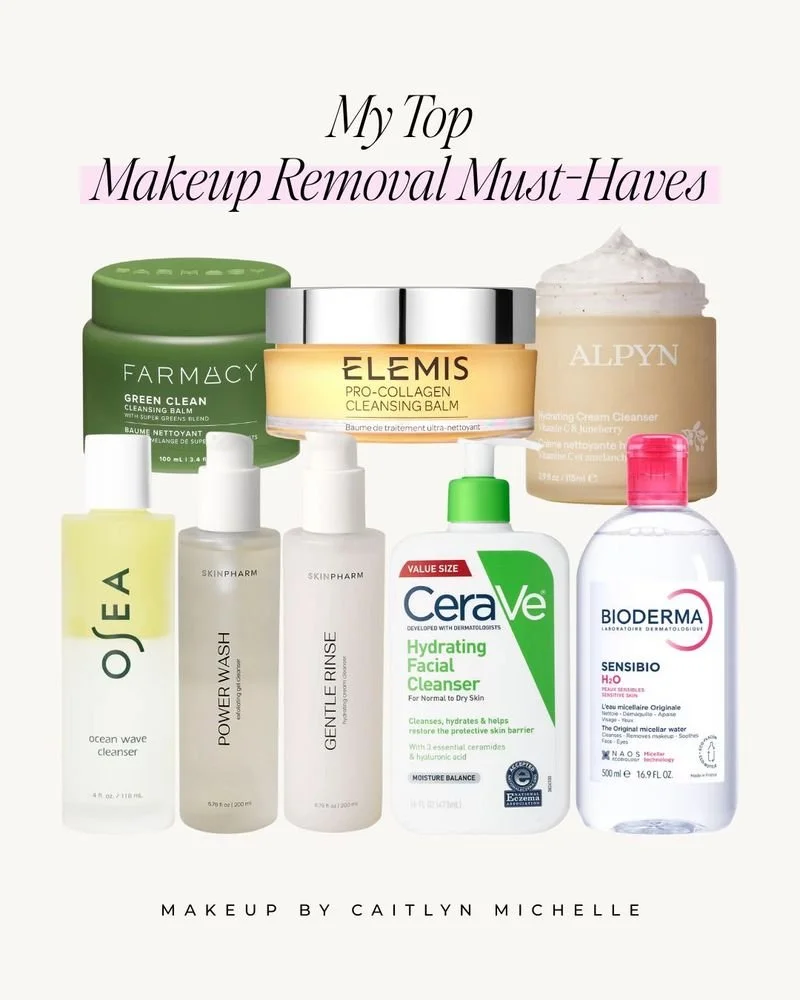
Makeup can be removed in several ways: oils, wipes, micellar water, and traditional cleansers. Here’s how oil stacks up:
- Oils: Best for dissolving heavy or waterproof makeup; moisturize skin.
- Micellar water: Easy and gentle, but less effective for waterproof products.
- Cleansing wipes: Convenient, but can tug at skin and may leave residue.
- Traditional foaming cleansers: Can strip oil; not great for waterproof makeup.
Expert tip: The oil cleansing method is especially good for those who wear sunscreen daily or use long-wear makeup.
Safety And Storage Tips
- Store oils in a cool, dark place to prevent spoilage.
- Use clean hands or a dropper to avoid contamination.
- Discard oils that smell rancid or change color.
- Avoid sharing oils, especially for eye makeup removal.
Shelf life: Most oils last 6–12 months after opening. Vitamin E can help extend shelf life.
Sustainability And Ethical Considerations
If you care about the environment or ethical sourcing, consider:
- Choosing oils from organic or fair trade sources.
- Avoiding palm oil, which is linked to deforestation.
- Selecting brands that use recyclable packaging.
Many plant oils, like jojoba and argan, are available from sustainable farms.
Real-world Experiences: What Users Say
People with different skin types share unique experiences:
- Oily/acne-prone users: Many find that grapeseed or jojoba oil helps control breakouts better than harsh cleansers.
- Dry skin users: Coconut and olive oil leave skin feeling soft and smooth.
- Sensitive skin users: Mineral oil is often the only oil that doesn’t cause redness or stinging.
Unexpected insight: Some people find they need to try 2–3 oils before finding their perfect match. Skin can react differently depending on climate, hormones, or even diet.
Science-backed Evidence
Research shows that oils like mineral oil, jojoba, and sweet almond are effective at removing makeup without increasing the risk of breakouts. According to a 2017 study published in the *Journal of Cosmetic Dermatology*, oil-based cleansers were better at removing waterproof makeup and less likely to irritate the skin compared to foaming cleansers.
For more detailed scientific information on the benefits and safety of cosmetic oils, you can visit this research article.
Cost Comparison: Affordable Vs. Premium Oils
Prices for oils can vary widely. Here’s what you might expect:
- Coconut oil: $5–$10 for 16 oz
- Jojoba oil: $10–$20 for 4 oz
- Olive oil: $8–$15 for 16 oz (extra virgin)
- Sweet almond oil: $8–$15 for 8 oz
- Argan oil: $20–$35 for 2 oz (premium, cold-pressed)
Tip: More expensive does not always mean better. Many affordable oils work just as well as luxury options.
When To See A Dermatologist
If you experience persistent irritation, breakouts, or allergic reactions after trying different oils, consult a dermatologist. They can help identify sensitivities and recommend suitable products. People with skin conditions like eczema, rosacea, or severe acne should always patch-test first and consider professional advice.
Frequently Asked Questions
Can I Use Kitchen Oils Like Olive Or Coconut Oil For Makeup Removal?
Yes, many people use food-grade oils. However, for the best results, choose extra virgin olive oil and cold-pressed coconut oil, as they are less likely to be processed with additives. Always patch-test first to avoid irritation.
Is It Safe To Use Oil On Acne-Prone Skin?
It depends on the type of oil. Jojoba, grapeseed, and safflower oil are generally safe for acne-prone skin. Avoid heavy or highly comedogenic oils like coconut oil. Always rinse thoroughly and start with a small test area.
Do I Need To Double Cleanse After Using Oil?
Double cleansing—using oil followed by a gentle water-based cleanser—is recommended if you wear heavy makeup or want to avoid any oil residue. This leaves your skin clean and ready for moisturizer or treatments.
Can I Use Essential Oils For Makeup Removal?
No, essential oils are very concentrated and can irritate or even burn the skin if used directly. Always dilute essential oils in a carrier oil (like jojoba or almond) and use only a few drops if desired for scent.
How Long Does A Bottle Of Makeup Remover Oil Last?
A small bottle (4 oz) typically lasts 2–3 months with daily use, since you only need a small amount each time. Shelf life varies, but most oils last 6–12 months if stored properly.
Choosing the best oil for makeup removal can transform your skincare routine. Whether you prefer natural, plant-based oils or simple mineral oil, the right choice will leave your skin clean, soft, and healthy-looking. Be patient as you experiment, listen to your skin’s needs, and enjoy the gentle, nourishing benefits that oils offer.