How to Take Care of Colored Hair: Complete Routine for Long-Lasting Vibrant Color
The Ultimate Guide How to Take Care of Colored Hair: Keep Your Colour Healthy, Vibrant & Shiny
Coloured hair is bold, beautiful and full of personality. No matter if you have a bright balayage, a deep brunette, a platinum blonde or a fun fantasy colour like pink or blue, coloured hair requires a special maintenance routine. Because coloured strands are much more porous than natural hair, they’re more prone to dryness, fading and damage from the chemical processes involved in the hair colouring, bleaching or highlighting processes.
This comprehensive guide will walk you through all you need to know about coloured hair care in 2026. We’ve got you covered—from understanding the science behind color-treated hair to building a protective daily and weekly routine, selecting the right products and troubleshooting common issues. Follow these expert-backed tips and enjoy vibrant, soft, strong colour that lasts for months longer.
Why You Need Special Care for Coloured Hair
When you colour your hair , the cuticle , or outer layer is raised to allow the pigment into the cortex . This makes the hair shaft more porous, meaning it absorbs and loses moisture more quickly. This is why coloured hair is more susceptible to dryness, fragility, breakage and colour fading. UV rays, heat styling, hard water and even frequent washing all speed up fading and damage.
Well-maintained coloured hair can look up to 80% more vibrant after 8-12 weeks than untreated coloured hair, according to hair experts. The trick is to keep moisture in, keep the colour safe, and treat it with care. Whether you’re a salon pro or are doing it yourself at home, the principles are the same.

Your Hair After You Colour It
Before you start a routine, evaluate your hair where it’s at:
- Porosity: Hair that is highly porous (common after bleaching) is rough, absorbs product quickly but also loses it quickly.
- Elasticity: Try tugging a strand – healthy hair stretches 30% and springs back.
- Colour Depth: Darker colours (brunettes) will fade slower than lighteners or bright colours.
- Previous Treatments: Bleached or highlighted hair requires more intensive repairs.
– Take photos weekly in the same light to see your progress. Feel your hair after washing — rough ends means it needs moisture right away.
Mistakes That Ruin Colour Hair
People don’t realise they are shortening the life of their colour:
- Regular shampoo with sulphates – strips colour molecules.
- Frequent washing in hot water.
- Too much heat without protection tools.
- I skipped the deep conditioner.
- Swimming in unprotected chlorinated pools.
- Brushing wet hair hard.
- No root regrowth no backlog.
Just fixing these mistakes can make a huge difference in colour retention and hair health.
Your Full Colour Hair Wash Day Routine
Frequency: No more than 2–3 times a week. Washing it too often takes away its natural oils and colour.
Step 1: Pre-Wash Protection
- Apply a color-protecting oil or pre-shampoo treatment 30-60 minutes before your wash.
- Section hair so that product is applied evenly, especially if hair is thick or long.
Step 2: Mild Cleansing
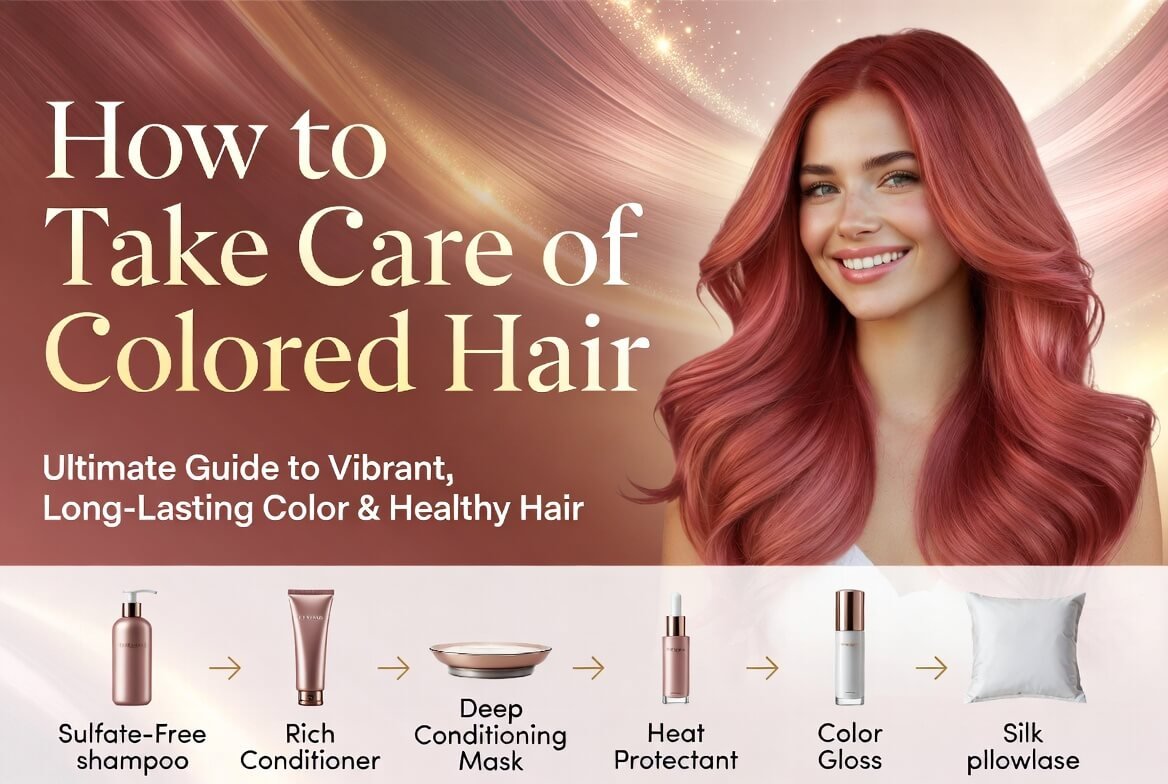
Use a sulfate-free shampoo to protect colour. Scalp Care. Use fingertips to massage gently for 1-2 minutes. Run the suds down the lengths instead of scrubbing them.
If your hair is a bright or pastel colour, use a colour depositing or toning shampoo once a week to refresh the tones.
Rinse with cool or tepid water. Hot water opens up the cuticles and increases bleeding time.
Step 3: Masking and Deep Conditioning
Use a rich color-protecting conditioner or mask from mid-lengths to ends. Use a wide tooth comb to detangle. Leave on for 5-20 minutes (or longer under a shower cap with heat for improved penetration).
Weekly deep treatments with Keratin, Argan oil, Shea butter, Coconut oil or Hyaluronic acid are a must. Treatments with protein (once every 2–4 weeks) help to repair bonds, but don’t go overboard — too much protein will make hair brittle.
Step 4: Rinse & Seal.
Rinse with cool water to close the cuticles. Optional: Apple cider vinegar rinse for shine and pH balance (1:4 ratio).
Pro Tip: Use a microfibre towel or an old T-shirt and gently blot, never scrub.
(Word count so far ~650)
Daily & Weekly Coloured Hair Care Regimen
Morning Ritual
- Apply a leave-in conditioner or heat protectant before you style your hair.
- Use ends with a color-safe serum or oil.
- Gently detangle with fingers or a wide-tooth comb.
Styling Damage Free
Reduce heat. If necessary, apply a thermal protectant with UV filters at the lowest temperature. Best to air dry or diffuse on cool setting.
Protective styles that require less manipulation could be loose braids, twists or buns.
Night Skin Care
Sleep on a silk or satin pillowcase to decrease friction and moisture loss. For extra protection, especially if you have curly or coily textures, wear a silk bonnet.
Best Coloured Hair Products 2026 Best
Shampoos & Conditioners:
- UV Protection Sulphate Free Formulas.
- Popular lines include Wella Invigo Colour Brilliance, Redken Colour Extend, Olaplex No.3 & No.4, Pureology, and Kérastase Chroma Absolu.
Deep Treatments :
- Weekly masks (Olaplex, K18) with bond-building technology.
- Masks with hibiscus, argan oil or marula oil.
Leave-Ins & Stylers:
- Colour depositing conditioners to refresh your tone.
- Serums for fighting frizz and sprays for shine.
Colour Refresh Tools:
- Gloss every 4 to 6 weeks.
- Blonde & Vivid At-Home Toners.
Always patch test new products. Build up to a routine slowly.

Advanced Techniques in Permanent Colour
Bond Building and Repair
Nowadays, products like Olaplex, BondBuilder or K18 are used to rebuild disulphide bonds that broke during the colouring process. Use after each chemical service and for maintenance.
UV & Environmental Protection
- Wear hats, UV protectant sprays, leave-ins with filters.
- Rinse hair with fresh water before swimming and after swimming.
- Mineral buildup is removed by hard water filters or chelating shampoos.
Nutrition for Dyed Hair
Health in the home. Eat:
- Supplements: Biotin, collagen, vitamin E (see a doctor) .
- Protein-rich foods (eggs, fish, nuts)
- Omega-3 fatty acids for shine.
- Drink lots of water and eat antioxidant rich fruits/veggies.
Correcting Coloured Hair Problems
Colour fading:
- Use colour depositing products weekly.
- Wash less.
- Stay out of the sun.
Dryness & Brittleness:
- Condition more often. Deeper.
- LOC method (Liquid, Oil, Cream) locks in moisture.
Brassiness or Bad Tones:
- Purple shampoo for blondes.
- Green for reds.
- Professional tone-up sessions.
Breakage and Split Ends:
- Cut back every 6-8 weeks or so.
- Reduce interference.
- Bond-repairing treatments.
Regrow Roots:
- Mix in between salon visits with root touch-up sprays or powders.
- Go for demi-permanent colours for less maintenance.
Scalp Problems:
- Gentle clarification every 2-4 weeks.
- Tea tree or peppermint scalp treatments.
Adjustments for Coloured Hair: Seasonal
Summertime:
- Additional UV protection.
- Chlorine and saltwater protection.
- Things not to weigh them down. Lighter things.
Winter:
- Heavy masks and oils for the dry.
- Protection from indoor heat.
Season Transitions:
- Repair summer damage or get ready for holiday styling.
Home Vs Professional Colour Maintenance
I go to the salon every 6-8 weeks for a root touch-up and gloss to keep the colour fresh. At-home maintenance is vital between visits. Now, many stylists are offering “color service subscriptions” that include take-home kits.
If you’re doing colour at home, follow the instructions to the letter and invest in good tools (gloves, mixing bowls, accurate timers).
Long-Term Hair Health Post-Coloring
With proper care, you can enjoy coloured hair for years with no serious damage. Many people are able to maintain platinum or vivid shades long-term successfully with good routines.
Consider semi-permanent or gloss-only treatments for periodic “color holidays” to give your hair a break.
Attitude: Love the Way You Look in Colour and Live It
Colour hair is a way to express creativity and confidence. Don’t sweat maintenance, think of it as self-care. Recognise small wins, such as a colourful refresh day or finding more resilient strands.
Online communities also offer support, inspiration, and product recommendations (Reddit r/coloredhair, Instagram hashtags).
Conclusion: Long-Lasting Vibrant Colour
Looking after your coloured hair doesn’t have to be complicated or expensive. Gentle products, moisture-focused routines, heat minimisation and regular treatments will keep your hair strong and healthy and can keep your colour looking salon-fresh for weeks on end.
Slowly start implementing these changes. Note what works for your own individual colour and hair type. Your strands will reward you with shine, softness and long-lasting vibrance.
Remember: Healthy hair is the best canvas for beautiful colour. Invest in care. Be patient in recovery phases and enjoy your bold beautiful look.