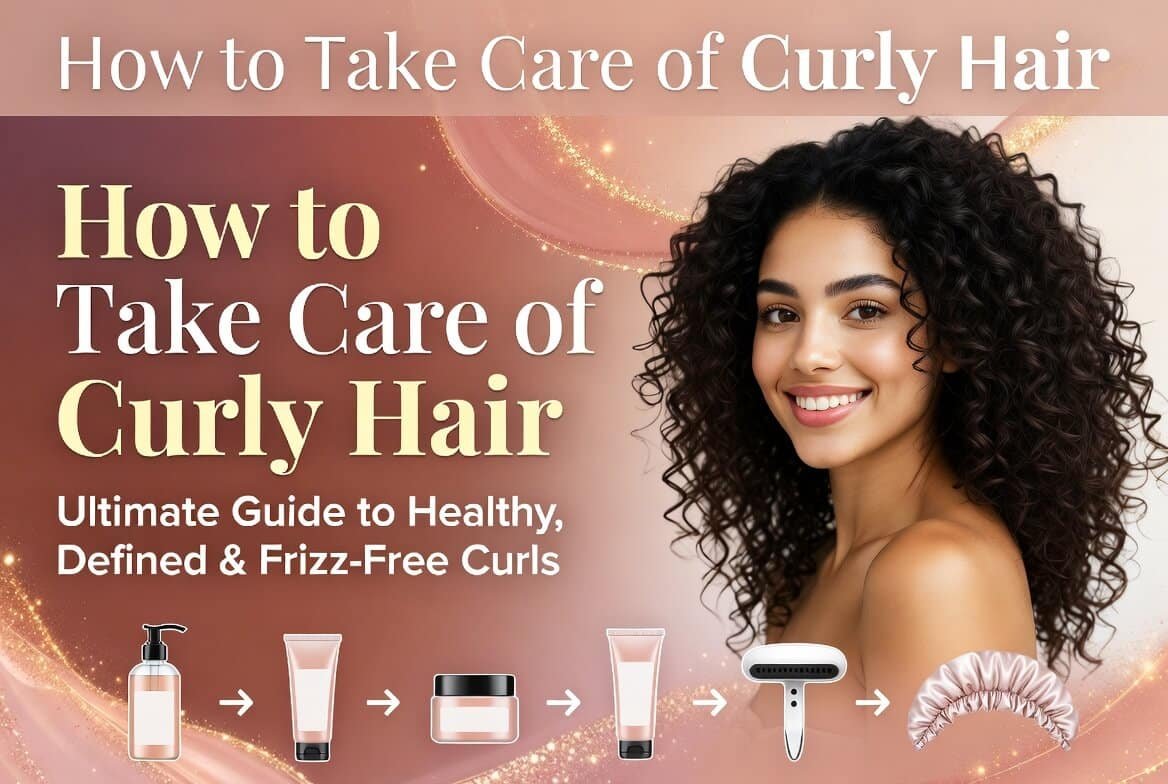
How To Take Care Of Curly Hair Men: A Complete Step-by-Step Guide
How to Get Healthy, Defined, Bouncy Curls: The Ultimate Guide How To Take Care Of Curly Hair Men
Curly hair is a crown of glory. It is full of personality, vibrant and unique. But for many with curls, waves or coils, it often seems more of a challenge than a blessing. Curly hair care can be overwhelming with frizz, dryness, lack of definition, breakage and the constant fight to find products that really work. If you ever look at your reflection on a post-wash day and wonder why your curls look nothing like the beautifully defined ringlets you see on Instagram, you are not alone. Millions are on this journey.
The good news is? You don’t have to go to an expensive salon or have a cabinet full of products to take care of curly hair. It’s about knowing what your hair needs individually, being gentle with it, and sticking to a routine that works for your curl type, porosity and density. In this comprehensive guide we will discuss everything from how to find your curl pattern, to wash days, styling and long term care. By the end, you’ll learn how to get your curls to their healthiest, most beautiful version. No matter if your hair is loose waves (Type 2), springy curls (Type 3) or tight coils (Type 4), these principles will work for you.
Curly hair is fundamentally different from straight hair. A spiral or zigzag structure makes it more prone to dryness because it doesn’t carry the natural sebum from the scalp as well down the shaft. Curly strands tend to have lifted cuticles, which leads to frizz and loss of moisture. But when it is best cared for, this same structure gives a beautiful volume and movement. To love your curls is to say no to harsh treatments, brushes on dry hair and sulphates that strip away precious oils. It means learning to love the process and celebrate the uniqueness of your texture.
This post is based on expert advice, dermatologist recommendations, and real-life experiences from people with curly hair. Expect detailed step-by-step instructions, product insights, troubleshooting tips, and science-based explanations. It’s time to get started and harness the power of your curls.
Learn About Your Curl Type and Hair Characteristics
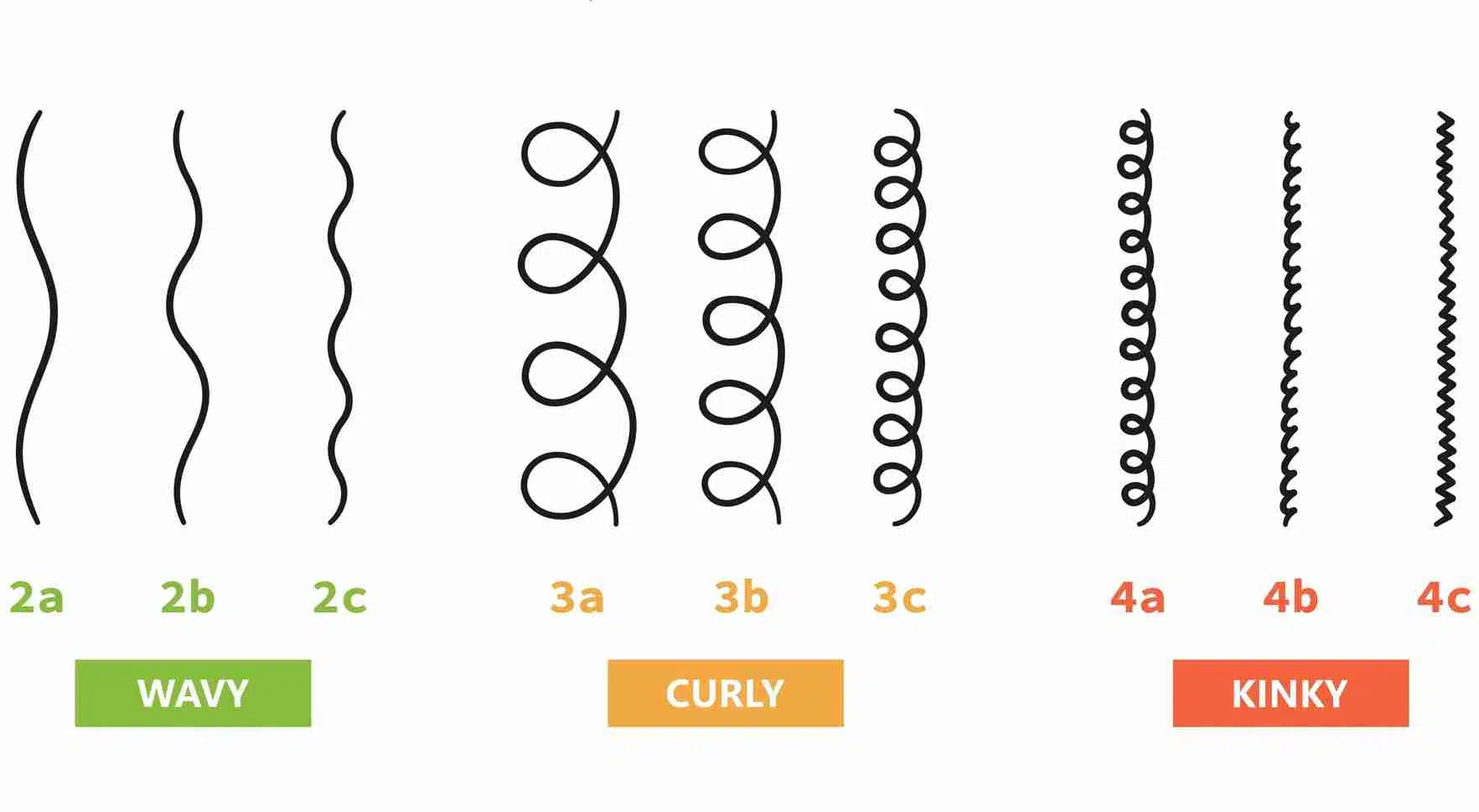
Know your hair before any routine. The most widely used framework is still the Andre Walker curl typing system, which classifies hair from 1 (straight) to 4 (coily), with subcategories a, b, and c denoting tightness.
- Type 2 (Wavy) Soft S-shaped waves. 2a loose 2b more defined 2c prone to frizz.
- Type 3 (Curly): Bounce-Back Corkscrews. 3a sparse spiral arms, 3b tighter, 3c dense, voluminous.
- Type 4 (Coily) Zigzag or kinky curls. 4a loose coils 4b tighter zigzags 4c densely packed less visible pattern when dry
Curl type is only the start. Think about porosity (ability to absorb moisture-low, medium, high), density (number of strands per square inch-fine, medium, thick) and elasticity (stretch and bounce). High-porosity hair (often damaged or color-treated) soaks up moisture fast, but it also loses it as quickly, so it needs heavy butters and oils. Low porosity hair resists absorption. Try lighter products and heat to help them penetrate.
Porosity test Drop a clean fibre in water. It sinks (high), it floats (low) or it hovers (medium). Thicker hair needs more, finer hair less so it doesn’t weigh the hair down. Density matters. Knowing these helps you avoid common mistakes such as product build-up or limp curls. A lot of curly haired people have different patterns on different parts of their head so try different sections.
Genetics, hormones, diet and environment all influence curls. Pregnancy, stress or changes in climate can change texture. Eating a diet rich in biotin, omega 3’s, vitamins A/C/E and protein is good for your internal health and helps to make your strands stronger. Internal hydration matters too, drink plenty of water.
Mistakes to Avoid for Curly Hair
Many damage curl unknowingly. Brushing dry hair breaks up patterns and creates frizz. Always detangle wet with conditioner. Over-washing removes oils, leading to compensatory dryness. Harsh sulphates, silicones and alcohol-heavy products only make things worse. Heat tools without protectant will break. Tight ponytails or metal clips cause dents and tension alopecia. Frictional frizz is caused by towel rubbing.
Not taking care of your scalp causes build up or dandruff. Sleeping on cotton pillowcases is drying to hair. Wasting money on wrong products for porosity. When you go too fast, you miss out on things like rinsing or scrunching properly. The Curly Girl Method (CGM), created by Lorraine Massey, is based on no sulphates, silicones or parabens, but modify it to fit your needs – some benefit from occasional sulphates for clarification.
Patience. New growth when coming off chemical treatments takes many months to appear. See progress with photos. Every head is different. Do not compare.
Your Wash Day Routine For Curly Hair The Step by Step
Wash day is the foundation. Frequency: Most 1-3 times a week. Over-washing dries curls. Under-washing causes build-up.
Step 1: Prep before washing If necessary, detangle gently. Protect with oil or pre-poo (conditioner), especially if you have a high porosity hair. For thick hair divide into 4-6 sections.
Step 2: Rinse wet with warm water. Use sulphate free shampoo on scalp only, massage 1-2 minutes with fingertips. This stimulates circulation without stripping lengths. For co-washing, shampoo with conditioner on scalp. Clarify monthly with chelating shampoo to remove minerals and buildup.

Volume rinse upside down, length rinse right side. Cool final rinse seals cuticles.
Step 3: Condition Work a generous amount of conditioner from mid-lengths to ends. Detangle in sections, beginning at ends, using wide-tooth comb or fingers. Leave on for 3-5 minutes or longer for deep treatment. Alternate moisture and protein conditioners for protein balance. High porosity loves rich masks with shea butter, low porosity likes lighter ones with aloe.
Rinse half for slip, rinse fully for definition. Some use a little as a leave-in.
Advanced Tips: Pre-wash pineapple hair to keep style in place. Pat with microfibre towel or T-shirt, never rub. Wash thick hair in sections under shower stream.
Consistency is the key. Write down what works.
(Word count in progress: ~850 so far)
Intensive Hydrating and Moisturising Techniques
Curly hair needs to be hydrated Finish with leave-ins, creams and oils.
Rinse and apply a leave-in conditioner to wet hair. Focus on the ends. Follow with curl cream or butter to define. Seal in moisture with oil (argan, jojoba, coconut) using the LCO (Liquid, Cream, Oil) or LOC method. High porosity is good for LOC . Low porosity is good for LCO .
Deep Condition Weekly: Use masks with humectants (glycerin, honey), emollients (oils) and occlusives (butters). Apply under a heat cap or steamer to penetrate. Protein treatments can repair bonds but too much leads to brittleness – moderation is key.
Humectants Draw moisture, but can cause frizz in humid or dry climate. Combine with oils. Put oil or sealant on the ends every night to prevent them from breaking. Drink water and use a humidifier.
Butters for dry climates are heavier. Humid regions: Gels, lighter. Experiment to find equilibrium.
How To Style To Get Defined, Frizz-Free Curls
Natural pattern, without heat styling.
On conditioner on soaking wet hair:
- Leave-in + Cream. Distribute evenly.
- Gel or Mousse: For hold Scrunch (cup and lift) to create curls.
- Praying Hands or Finger Coils Smoothing the parts to define them.
- Diffuse or Air Dry: Low heat with diffuser attachment, cupping sections. Plop with T-shirt for 10-30 minutes.
Refresh days: Mist with water or aloe spray, reapply gel/cream, scrunch. Don’t touch until dry to prevent frizz. Pineapple at night preserves style.
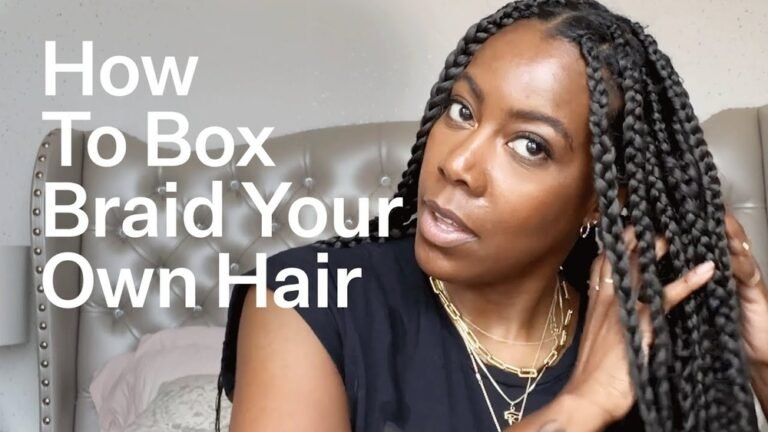
For tight coils, shingling ( finger-coiling each strand ) or banding work . For volume, fluff dry roots or trim root. And protective styles (like braids or twists) give your hair a break but keep it moisturised underneath.
Scrunching and diffusing are techniques that take practice but will give you salon results at home.
Night Care, Protection & Long Term Maintenance
Overnight Shield your curls. Use a silk or satin bonnet/pillowcase to reduce friction. Pineapple (loose high ponytail on top of head) or braids keep definition. Loose twists or buns are fine too.
Trim every 8-12 weeks to avoid split ends. Minimise chemical processing. Sunscreen UV Protection. Chlorine: cap, pre-wet with conditioner.
Lifestyle effects: Nutritious diet, stress management, light exercise. Supplements if deficient, such as collagen or biotin (consult doctor).
Troubleshoot: Frizz? More moisture/seal Flat? Less product. Stronger roots. Rupture? Protein balance, less handling.
Recommended Products and Personalisation
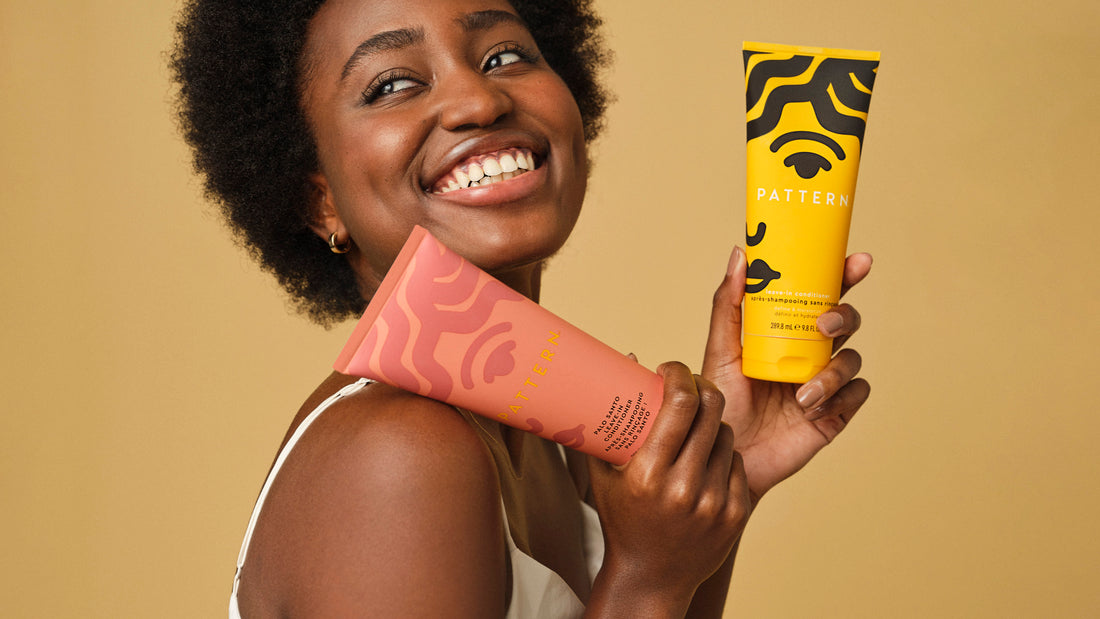
Sulfate-free shampoos: Curlsmith , DevaCurl , SheaMoisture . Conditioners: Pattern, Innersense. Versatile creams: leave-in. Gels: Eco Styler, Kinky-Curly, Oils: Argan oil, Castor oil.
Starter Kit: Cleanser, Conditioner, Leave-In, Styler, Oil. Drugstore alternatives are fine. Read labels. Silicone free, CGM friendly. Patch test for allergies.
Customise: Fine hair—light products. Thick. Rich. Colour treated – bond builders such as Olaplex Kids’ curls need a gentler touch.
(Continued expansion for length…)
Advances in Science and Advanced Techniques
Disulphide bonds and hydrogen bonds create the pattern. The science of curls. Moisture keeps hydrogen bonds for definition. Products with a pH balance of between 4.5 and 5.5 keep cuticles smooth. Porosity testing allows the selection of ingredients—humectants for high, lightweight for low.
Seasonal adjustments: Heavier oils in winter, lighter oils in summer with UV protection. Hormonal shifts (menopause, postpartum) may necessitate routine adjustments. Men with curls run into the same problems – beard and head care overlap.
There are community resources like r/curlyhair on reddit for support. Custom cuts designed by professional curl specialists help preserve length and shape.
Styler, Aloe Vera gel Flaxseed gel homemade Avocado masks. DIY options. But commercially, formulas tend to perform better for consistency.
Healthy curls for the long haul, longer with less breakage. Be patient through transition as new growth flourishes.
Common Curly Hair Problems and How to Troubleshoot
Frizz: Seal or under-moisturize. Use anti-humectant in humid conditions. No Definition: More gel, better scrunch, less touching Dryness: Weekly deep condition, LCO method. Buildup: Less product. Clear up. Breakage: protein balance, avoid heat / manipulation Scalp Issues: Tea tree or apple cider vinegar rinses (dilute!).
Patience and iteration are victorious. What is relevant today may be irrelevant tomorrow.
Mindset & Lifestyle: Love Your Curls
Curly hair care is self care. Protective styles, accessories to celebrate texture. Diverse representation shows all types of curls shining. Instill proper care in children early.
Diet: Omega rich foods (salmon, nuts), greens, proteins. Avoid crash diets that crash hair health.
Exercise: Sweat can dry out hair — rinse or co-wash after a workout.
Travel: Carrying kit, safety silk scarf.
Conclusion: Your Path to Curl Confidence
Knowing how to care for curly hair is the secret to going from frustration to joy. With your type knowledge, gentle routines, moisture focus, and proper techniques, you’ll enjoy defined, healthy curls. Start simple, make adjustments as you go, be patient. Your curls are one of a kind—embrace them fully.
This guide is a starting point, be cautious. For serious problems, consult professionals. Love and consistency will bring healthy curls.