How to Take Care of Curly Hair: Expert Tips for Gorgeous Curls
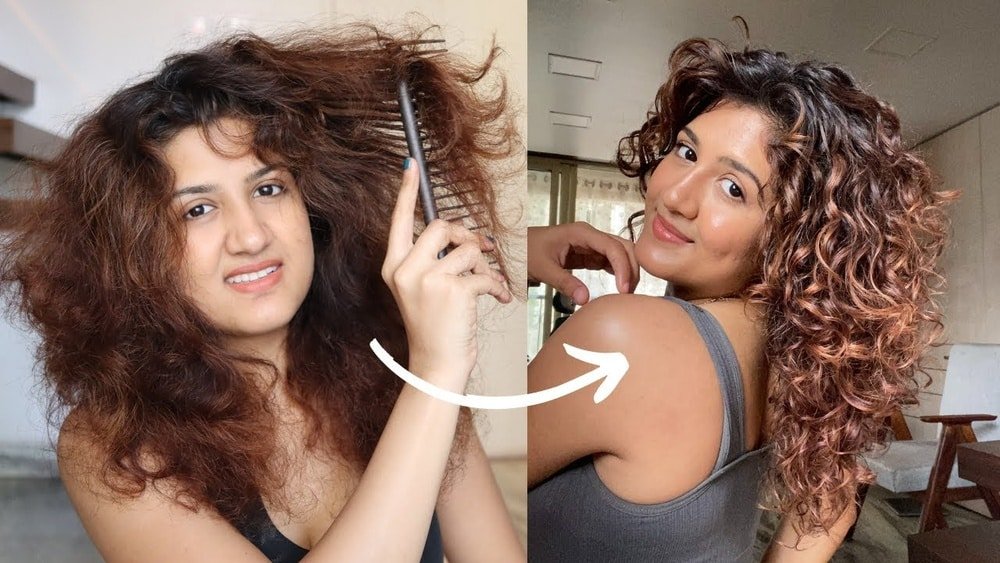
How To Care For Curly Hair isn’t just about the right shampoo. It’s about knowing what your curls really need and making choices each day that will help your curls stay healthy, strong, beautiful. Curly hair is a blessing and a curse. It looks thick and lively but, if it is not maintained, it can become dry, frizzy or tangled. In this article, we’ll walk you through everything you need to know: products, techniques, mistakes to avoid and tips to keep your best curls looking their best.
Rope about
Curly hair is different in structure and needs from straight or wavy hair. The hair follicle is asymmetrical or oval, and shapes each curl. This shape makes the hair strand twist and coil, making it harder for the natural oils to travel from the scalp to the ends. So curly hair often feels dry and needs a bit of extra moisture.
The curl pattern can range from loose waves to tight coils. Hair experts use a numbering system to describe these differences (Type 2: wavy, Type 3: curly, Type 4: coily). Knowing your type helps you pick the right products and routines.
Common curly hair problems
- Dryness Curls become dry quickly.
- Frizz: Hair poofs up due to humidity and dryness.
- Tangles: Curly hair tangles easily and can break when you brush it.
- Shrinkage: Curls are usually longer when they’re wet than when they’re dry.
- Inconsistent Curl Pattern: Not all curls are alike.
How to Create a Curly Hair Routine
A good routine is the basis for healthy curls. Here’s how to set yours up.
Cleanse
Curly hair does not need to be washed as often as straight hair. Over-washing removes natural oils and makes curls dry.
- Frequency: Most people only need to do this 1-3 times per week.
- Shampoo: Use a sulphate free shampoo. Sulphates are powerful cleansers that strip moisture.
- Co-washing: This is washing with conditioner only. It’s softer and helps keep moisture in.
Conditionning
Conditioning is the most important step in curly hair care.
- After each shampoo, use a rich, moisturising conditioner.
- While your conditioner is in, detangle your hair with your fingers or a wide-tooth comb.
- Weekly deep conditioning for added moisture.
Drying
When your hair is curly, it breaks more easily when it’s wet, so you’ll want to be mindful of how you dry it.
- Use a microfibre towel or a cotton T-shirt for drying. Towels create frizz and breakage.
- Plopping: Use a T-shirt to help curls form without frizz.
- Gently squeeze out water; do not rub.
Styling Tricks For Curly Hair
Your curls’ appearance and health depend a lot on how you style them.
Conditioner Leave-In
Leave-in conditioner adds moisture and helps keep curls defined. Work through wet hair concentrating on ends.
Gels & Curl Creams
These products are designed to hold curls and fight humidity. Select one based on your hair type:
- Light creams: For loose waves and curls.
- Thick creams/gels For a tighter curl or coil.
Spreading
A diffuser attachment on your hairdryer distributes heat evenly, letting you reduce frizz and keep your curls. cook over low to medium heat.
Protective Hairstyles
Hairstyles such as braids, twists or buns protect curls from friction and damage especially overnight.
Selecting The Right Products
Not every curly head is going to work with all products. Here’s how to choose what’s best for you.
| Product Category | Main Purpose | Best Suited For |
|---|---|---|
| Sulphate Free Shampoo | Soft cleansing | All sorts of curls |
| Deep Conditioning | More humidity | Dry/damaged hair |
| Leave-In Conditioner | Daily hydration | Hair prone to frizz |
| Curl cream / gel | Definition & keep | Maintaining the curl shape |
| Oil/Serum | Shine & seal moisture in | Coarse, thick hair |
Ingredients to watch out for
- Shea Butter, Coconut Oil, Argan Oil. For moisture.
- Glycerin, aloe vera: Draw water to the hair and hydrate it.
- Proteins: Help strengthen hair, but if your hair feels stiff use sparingly.
Ingredients To Avoid
- Sulphates: Dry curls out.
- Silicones: Can clog and block moisture (unless you clarify your hair regularly).
- Alcohols: Some, like isopropyl alcohol, can dry out hair.
How To Detangle Curly Hair Safely
Curly hair life comes with daily tangles but that doesn’t mean breakage.
- Begin on wet, conditioned hair. Slip helps with detangling.
- Use your fingers first, then. Work out big tangles gently.
- Wide tooth comb: Start at the ends and work your way up.
- Patience. Hurry up breaks things.
- Never detangle dry hair. Snapping and frizzing result from this.
One thing many miss: Conditioning while detangling, not after, saves time and prevents damage. Another: don’t get brushes made for straight hair, as they tend to rip curls apart.
The Problem with Curly Hair and Humidity
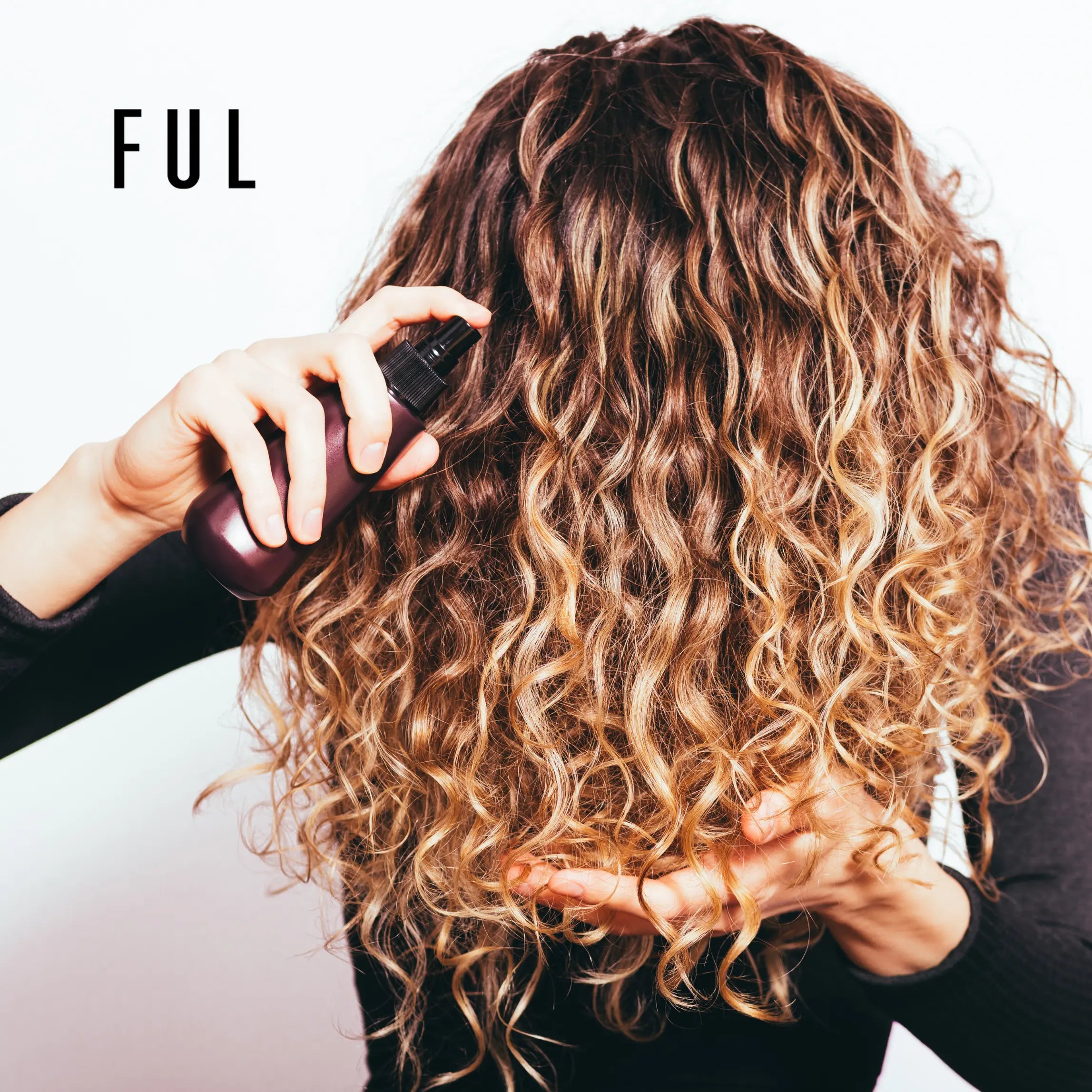
Humidity can make your curls frizzy or undefined. The key is to seal in moisture so outside water can’t get in.
- Pick a gel or cream with anti-humidity effect.
- Seal moisture in with a light oil after applying cream or leave-in.
- On humid days, spray curls with a spray bottle of water and a little conditioner to refresh curls.
Here’s a quick summary of how different types of curl react to humidity and what works best:
| Type of Curl | Humidity Influence | Best Product |
|---|---|---|
| Type 2 (Wavy) | Frizz, loose definition | Light gel, anti-frizz spray, |
| Type 3: Curly Hair | Swelling, volume increase | moisture mist, cream gel |
| Type 4 (Coily) | Dryness, contraction | Sealing oil, heavy cream |
Nighttime Care For Curls
How you treat your curls at night makes a big difference in the morning.
- Silk or satin pillowcase: Reduces friction, stopping breakage and frizz.
- Pineapple method: Gather hair at the top of your head in a loose ponytail to keep curls intact.
- Sleep cap or scarf: A silk or satin cap holds moisture and keeps your style neat.
Many beginners skip nighttime care, but it’s one of the easiest ways to keep curls healthy and defined.
Common Curly Hair Mistakes
Even with the best products, some habits can damage curls. Here are mistakes to avoid:
- Using too much heat: Flat irons and blow dryers can dry and break hair.
- Brushing dry hair: Causes frizz and breakage.
- Skipping trims: Split ends travel up the hair shaft and cause more damage.
- Not using enough conditioner: Curls need more moisture than other hair types.
- Towel-drying roughly: This roughs up the cuticle and leads to frizz.

Seasonal Curly Hair Care
Different seasons demand different care routines.
Summer
- Use a leave-in conditioner with UV protection.
- Wash more often if you sweat or swim.
Winter
- Deep condition weekly to fight dryness.
- Protect hair from cold wind with hats (lined with satin or silk if possible).
The Curly Girl Method: Should You Try It?
The Curly Girl Method is a popular routine that avoids sulfates, silicones, and heat. It encourages co-washing, gentle styling, and lots of moisture.
- Works for many, but not all. Try it for a month to see if your hair improves.
- Some people find their hair gets heavy with too much product—adjust as needed.
- For more on the Curly Girl Method, check out the original book or trusted online resources like NaturallyCurly.

Quick Tips For Healthier Curls
- Trim ends every 8–12 weeks.
- Protect hair before swimming (rinse with water and apply conditioner).
- Use a wide-tooth comb, never a brush, for detangling.
- Refresh second-day curls with a water and conditioner spray.
- Experiment to find what works for your unique curls.
Curly Hair Care: Cost And Maintenance Table
Keeping curly hair healthy takes some investment. Here’s a simple cost comparison for a basic curly hair routine:
| Item | Average Cost | How Often to Buy |
|---|---|---|
| Sulfate-free shampoo | $10–$20 | Every 1–2 months |
| Moisturizing conditioner | $10–$25 | Every 1–2 months |
| Leave-in conditioner | $8–$20 | Monthly |
| Curl cream or gel | $12–$25 | Monthly |
| Deep conditioner | $8–$20 | Every 2 months |
| Silk pillowcase | $15–$40 | One-time |
Overall, caring for curly hair can cost more than straight hair, but the right routine prevents damage and saves money on repairs.
Frequently Asked Questions
How Often Should I Wash Curly Hair?
Most people with curly hair find that washing 1–3 times per week is enough. Washing less often helps keep natural oils, but if your scalp feels itchy or your hair gets oily, you can wash more often with a gentle, sulfate-free shampoo.
Can I Brush My Curly Hair?
You should never brush curly hair when it’s dry. Brushing causes frizz and breakage. Instead, detangle your hair when wet and full of conditioner using your fingers or a wide-tooth comb.
What Is The Best Way To Sleep With Curly Hair?
Use a silk or satin pillowcase, or wrap your hair in a silk scarf or bonnet. The “pineapple” method (gathering hair on top of your head in a loose ponytail) also helps keep curls safe and defined overnight.
Why Does My Curly Hair Get So Dry?
Curly hair dries out easily because natural scalp oils have a hard time traveling down the twists of the hair. Using moisturizing products and avoiding harsh shampoos helps your curls stay hydrated.
How Can I Make My Curls More Defined?
Apply a leave-in conditioner, then a curl cream or gel while your hair is wet. Scrunch your curls gently and let them air dry or use a diffuser. Avoid touching your hair as it dries to reduce frizz.
Curly hair has its challenges, but with the right care, it can be one of your best features. Learning what works for your unique curls takes time and patience, but the results are worth it—healthy, shiny, and defined curls every day.