How to Plait Your Own Hair: Step-by-Step Guide for Beginners
It can be tricky to learn how to plait your own hair at first, but with patience and practice anyone can learn to do it well. Learning to plait your own hair gives you control over your look, whether you want a simple braid for everyday style or something more creative for a special event.
This guide will help you learn the basics, avoid common mistakes and find some advanced tips. There are also useful tables comparing braid types and tools, practical examples and answers to the most frequently asked questions.
Why Learn To Braid Hair Yourself?
Plaiting your own hair is not only a skill but a way to save money and time. Salons may charge $20–$100 for braiding, depending on complexity and location. You can create new styles anytime and keep your hair neat and even protect it from damage. Many people also find braiding relaxing and it’s a type of personal self-care ritual.
Master The Art Of Braiding
Before you begin, it’s important to understand the difference between plaiting and braiding. In ordinary English usage, these words tend to mean the same thing: to weave hair into a pattern. However, “plait” is more common in British English, and “braid” is used in American English. They both have crossing sections of hair over.
Types of Braid
There are many ways of braiding. Here’s a breakdown of the most popular ones:
| Type of braid | Difficulty | Look | Best Suited For |
|---|---|---|---|
| Traditional Three Strand | Basic | Steady, simple | everyday beginners |
| French Braiding | Medium | Tight, graceful | School, work |
| Dutch Braid | Medium | Torn, bold | Sport Active days |
| Fishtails | Harsh | finesse, delicacy | Formal soirées |
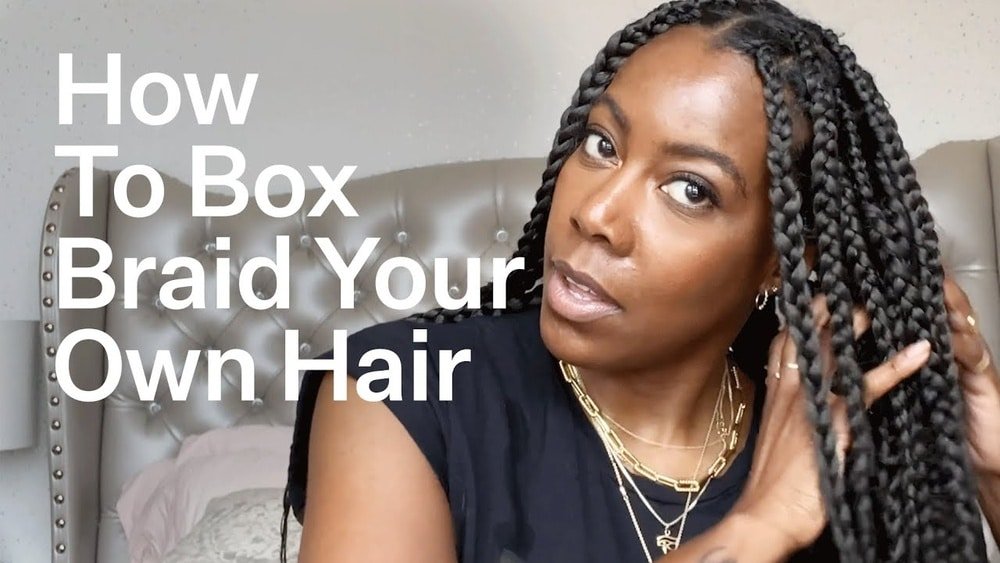
| Box Braids | Difficult | Chunky, protective. | Long style |
Most beginners begin with the classic three-strand plait. When you’re ready, try french or dutch braids.

How to prepare your hair for plaiting
It is best to plait hair when it is clean, dry and untangled. Dirty or oily hair can cause plaits to look messy and fall out faster. You need to untangle, knots make braiding a lot harder.
Required tools
Tools can make plaiting a little easier. Here is a quick comparison:
| Tool | Purpose | Suggested for |
|---|---|---|
| Wide-toothed comb | Decoding | Works on all hair types |
| hair elastics | Ends tied up | braids all |
| Bobby pins (hair pins) | Repairing Loose Areas | Layered Haircut |
| Hairpins | Cutting up into sections | Dense hair |
| Reflection . . . | Check Your Progress | Self-plaiting |
For beginners you need a wide tooth comb and some hair ties. For layers and shorter sections, use bobby pins to hold strands in place.
How to Braid Your Own Hair Step by Step
1. Begin With Clean, Dry Hair
Now wash your hair and let it dry properly. Wet hair is harder to control and plaits can loosen when the hair dries. If your hair is curly, apply a leave-in conditioner to control frizz.
2. Untie Completely
Comb through all tangles with a wide-tooth comb or brush. Detangling helps the braid to stay smooth and neat so take your time.
3. Choose your Plait Style
Select a style that fits your ability. The three strand plait is the best one to start with.
4. Part your hair
For a classic plait you would:
- Gather all your hair to the back or side.
- Cut it into three equal pieces.
For French or Dutch Braid:
- Start from the top.
- Take a small piece and cut it in three.
- Add hair as you braid.
5. Start Braiding
For a 3-strand braid:
- Cross the right section over the centre section;
- Cross the left section over the new centre section.
- Repeat, on the other side. Finish.
For French/Dutch braids:
- Add hair to each section before crossing over the centre.
- Add hair and cross under rather than over for a lifted look.
6. Lock The End
When you reach the end, secure the plait with a hair tie. For a polished look, wrap a small piece of hair around the tie and pin it.
7. Tweak and Finish
Look in the mirror and gently tug at sections of the braid to fill it out or make it more tidy. Use bobby pins to tidy up any stray hair.
Use Example: Three Strand Braid
Suppose you want a simple braid for school. You brush your hair, and then you divide your hair into three sections. Cross the right over the middle. Cross the left over the new middle. Repeat until you reach the end.
You tie it off, check it in the mirror and even out any uneven bits.

Common Mistakes And How To Avoid Them
Many beginners make small errors that can spoil the look or make the braid fall apart. Here are the most frequent issues:
- Uneven sections: If the three sections are not equal, the plait will look lopsided.
- Solution: Double-check sections before starting.
- Loose braiding: Too much slack makes the braid messy.
- Solution: Keep a steady, even tension.
- Tangled hair: Knots can create bumps.
- Solution: Always detangle fully.
- Not securing ends: The braid can unravel.
- Solution: Use a sturdy hair tie.
- Forgetting to add hair in French/Dutch styles: The braid may not hold well.
- Solution: Practice adding small sections each time.
A non-obvious insight: If your hair is layered, start braiding lower down rather than near the scalp. This prevents short pieces from sticking out.
Advanced Tips For Better Plaits
Once you master basic plaiting, you can try some advanced tricks:
- Prep with styling cream: A pea-sized amount reduces frizz and gives more grip, especially for fine or slippery hair.
- Use mirrors strategically: Place two mirrors so you can see the back of your head.
- Practice finger placement: Keep fingers close to the scalp for French/Dutch braids, which improves neatness.
Another insight: For thick or curly hair, divide your hair into smaller sections before braiding. This makes it easier to manage and creates a cleaner look.
Caring For Your Plaits
Proper care can help your plaits last longer and protect your hair. Here are some key tips:
- Don’t braid too tightly—tight plaits can cause hair breakage and headaches.
- Sleep with a silk or satin pillowcase. These materials reduce friction and prevent frizz.
- If wearing a braid for more than a day, keep your scalp clean. Use a dry shampoo if needed.
For box braids or long-term styles, wash gently and moisturize your scalp regularly.
Plaiting For Different Hair Types
Not all hair behaves the same. Here’s a quick data table showing how plaiting works for different hair types:
| Hair Type | Best Plait Styles | Special Considerations |
|---|---|---|
| Straight | All styles | May need styling cream for grip |
| Wavy | French, Dutch | Detangle well to avoid bumps |
| Curly | Box, Dutch | Moisturize and section carefully |
| Coily | Box, protective | Use leave-in conditioner; avoid tight braiding |
For coily or very curly hair, protective plaits like box braids are popular. These styles help retain moisture and reduce breakage.
How Long Does It Take To Plait Your Own Hair?
The time depends on your hair length, thickness, and braid complexity. Here’s a rough guide:
- Classic three-strand: 5–10 minutes
- French/Dutch braid: 15–25 minutes
- Fishtail braid: 20–40 minutes
- Box braids: 2–6 hours (often done in sections)
Don’t rush—taking your time gives better results and fewer mistakes.
Plaiting For Kids And Beginners
If you’re helping a child or learning yourself, patience is key. For kids, use gentle products and avoid tight braids. Start with simple styles and build confidence.
Beginner tip: Practice on one side of your head first. Side braids are easier to see and reach.
When To Seek Professional Help
If you want complex styles like box braids or cornrows, or if you struggle with dexterity, consider seeing a stylist. Some salons offer lessons where you can learn and practice.
For more advanced styles and hair care tips, check out WikiHow’s braid hair guide.
Frequently Asked Questions
How Do I Stop My Braid From Unraveling?
Use a strong hair tie and wrap it tightly at the end. For extra hold, wrap a small piece of hair around the tie and secure with a bobby pin.
Can I Plait Wet Hair?
It’s better to braid dry hair. Wet hair is more fragile and can break easily. If you want to braid damp hair for waves, be gentle and avoid tight braiding.
How Can I Make My Plait Fuller?
Gently pull apart the sides of the finished braid, a technique called “pancaking. ” This makes the plait look wider and more voluminous.
Why Does My Braid Look Messy?
Messy braids usually happen because of uneven sections, loose tension, or tangled hair. Detangle well and keep your sections equal for a neater look.
Is Plaiting Damaging To Hair?
Plaiting is safe if done gently. Avoid tight braids and use soft hair ties. Protective styles like box braids can help prevent damage, especially for curly or coily hair.
Learning how to plait your own hair is a skill you can use for life. It’s a way to express creativity, protect your hair, and gain confidence. With practice and the tips above, you’ll be able to create many styles—from simple daily plaits to beautiful, intricate braids.
Remember to be patient with yourself and enjoy the process.