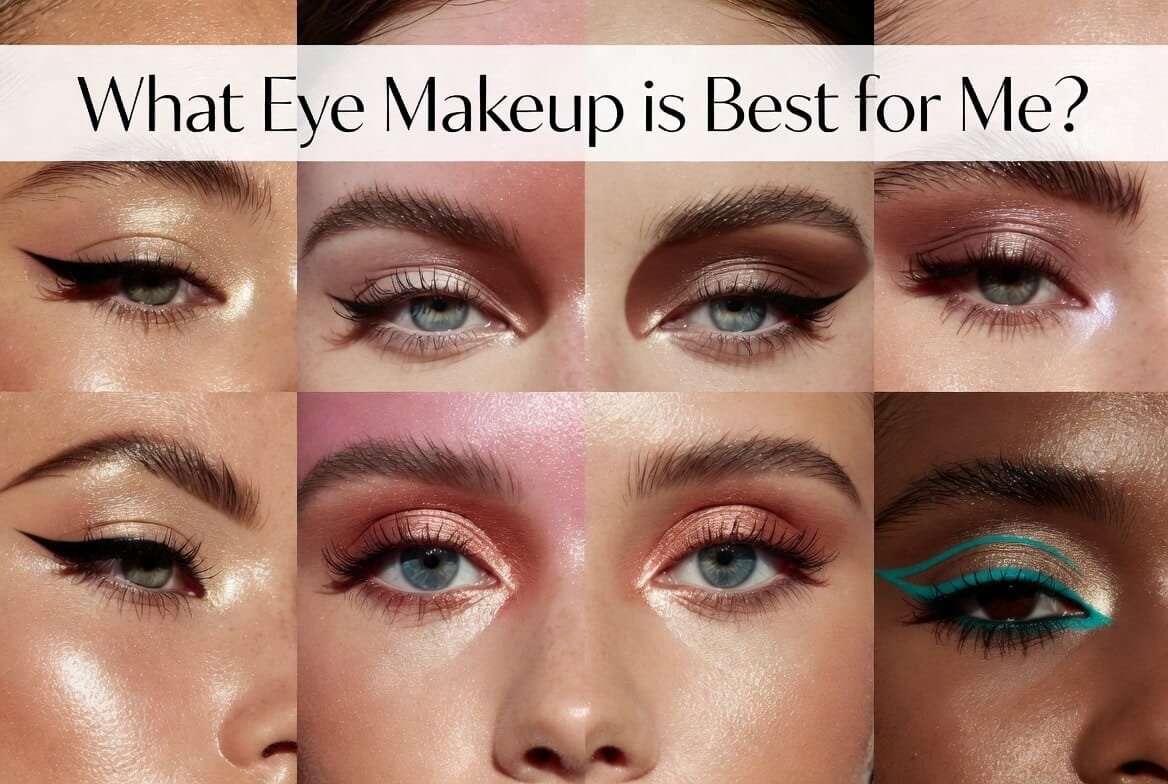
What Eye Makeup Is Best for Me? Your Ultimate Personalized Guide
Which Eye Makeup Suits Me Best: Your Ultimate Personalised Guide to Perfect Eyes (2026 Edition)
In a world where your eyes are the first thing people notice, finding the right eye makeup is more than just about trends; it’s about unlocking your unique beauty. Are you looking in the mirror and asking yourself, “Why does that smoky eye look so good on my friend but so much on me?” Or you just want to stop guessing if that eyeshadow palette is going to make your eyes pop? No matter what the case may be, this comprehensive guide of 2,800 words is here to help. What eye makeup is best for me? We’ll go through this question step by step using science-backed colour theory, face anatomy, and real-world application techniques that work in 2026.
Eye makeup has come a long way. No more days of everyone wearing the same neutral shades or heavy liner. Today’s looks celebrate individuality with soft glam for everyday, bold graphic liners for statements, and hybrid formulas that will take you through your busiest days. But the secret to looking so stunning effortlessly? Personalisation. Your eye shape, iris colour, skin tone, undertone, age, lifestyle and even the occasion all contribute. By the end of this post, you will have a personalised roadmap. No more trial-and-error purchases, or frustrating mirror sessions.
We’ll cover it all: key features, shade suggestions, product essentials, how-to tutorials, mistakes to avoid, upcoming trends and tips from makeup artists. Plus visual examples to inspire you. Let’s get right to it and find the eye makeup that was made for you.
Step 1: Find Your Eye Shape – The Foundation of All Great Looks
The shape of your eye is the blueprint for flattering makeup. It shows you where to add shadow for depth, how to wing your liner for lift, and what techniques create balance. There are over a dozen variations, but most fit in these main categories. Stand in natural light, pull your hair back and compare your eyes (both open and slightly closed) to these descriptions.

Almond Eyes: These are the most versatile shape—slightly elongated with a natural upward tilt at the outer corner and a visible crease. Celebrities like Zendaya and Priyanka Chopra often have them. Almond eyes love almost everything, but they shine with elongated looks that emphasize their natural lift.
For almond eyes, focus on blending outward. A classic cat-eye or soft smoky look elongates them further. Avoid heavy lower-lid shadow, which can make them appear smaller. Best techniques: Use a medium-toned shadow on the lid and a darker shade in the outer V for definition. Winged liner starting from the outer third of the lash line creates drama without overpowering. In 2026, try “floating liner” where the wing hovers just above the lash line for a modern, lifted effect.
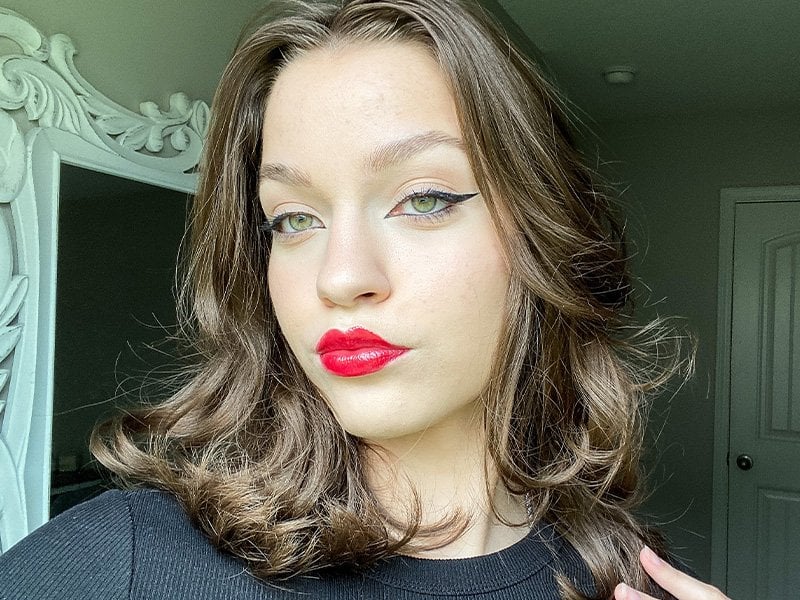
Hooded Eyes: Hooded eyes have a prominent brow bone that covers part of the mobile lid when eyes are open, creating a smaller visible lid area. Think Blake Lively or Jennifer Lawrence. The goal here is to create the illusion of more lid space and lift.
Hooded eyes benefit from cut-crease techniques and matte shadows to avoid creasing. Place lighter shades on the inner lid and build darkness upward toward the brow bone. Tightline the upper waterline for definition. Skip thick liner on the upper lid—instead, use a thin line or smudge it softly. Pro tip: Apply eyeshadow with eyes open to see exactly where it lands. For hooded eyes in 2026, the “blended halo” look is trending: soft shimmer in the center lid fading to matte edges.

Round Eyes: Big, open eyes, with a lot of white showing around the iris. Young and wide-eyed are round eyes (like Emma Stone’s). The trick is to avoid making them look too wide or dolly-like.
Horizontal elongation to balance round eyes. Lengthen the shadow and liner past the natural corner. Half cut crease or horizontal smoky eyes work wonders. Don’t use round brush motions, but straight lines. Just mascara on the outer lashes = drama. 2026 pick: “Doe-eye” with a little less emphasis on the lower lash for a softer, romantic vibe.
Monolid Eyes: Flat lids with little to no crease, common in East Asian features (ex. many K-beauty icons). Monolids have a smooth canvas that’s ideal for bold, graphic looks.
Apply liner and shadow higher on the brow bone to highlight and accentuate the lash line. Add dimension with light-reflecting formulas Gradient liner (thicker in the middle) or “puppy liner” (slightly downturned) is gorgeous on monolids. Monolids are huge in current trends with metallic foils and colourful under-liners as they catch light without needing a crease.
Upturned Eyes: The outer corners of the eyes are higher than the inner corners, giving the impression of a cat’s eyes. Downturned eyes (opposite) have lower outer corners and can appear sad or tired if not balanced.
For upturned: Use a flick of upward liner for a natural lift. For Downturned: Counteract the droop with an upward shadow placement to lift the outer corner and winged liner.
Deep-Set or Protruding Eyes: Deep-set eyes sit back in the socket (great for dramatic shadow); protruding eyes sit forward (need shadow to push them back).
Deep-set Bring shadow forward onto lid. Protruding: Use dark shades to “push back” the area around the eye.
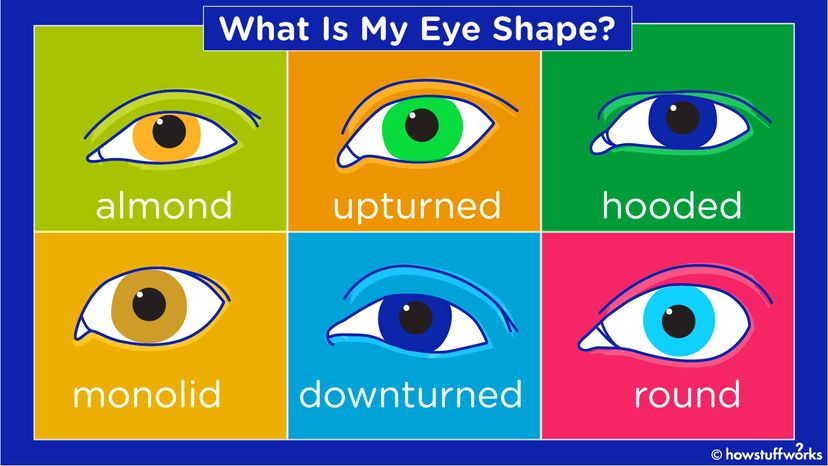
Use a mirror or phone selfie with good lighting. Many people have asymmetrical eyes—one almond-shaped, the other slightly hooded. Makeup is about balance not perfection. Once you know it, your eye shape will dictate 70% of your decisions.
Step 2: Pick Shades Based on Your Eye Colour – Colour Theory That Pops
Eye colour is pretty and a colour wheel opportunity. Optical contrast makes the irises look larger and more radiant in complementary colours. Here’s the scoop:
Warm opposites, cool tones: Blue Eyes. Electric blue eyes with bronze, copper, gold, peach and terracotta tones. Purples and plums bring romance. Blue shadows can wash out, so don’t try to match them exactly. For 2026, it’s all about “sunset blues” and warm copper in the crease.

Green/Hazel Eyes: These chameleon eyes love earthy reds, burgundies, and warm golds. Purple and mauve bring out the green flecks. Copper and olive tones create depth. Avoid greens that match too closely unless using a contrasting finish (matte vs. shimmer).
Brown Eyes: The most common and most versatile. Brown eyes glow with jewel tones: emerald, sapphire, amethyst, and teal. Golds and bronzes add warmth; silvers add cool sophistication. Deep browns with gold flecks create a “lit-from-within” effect.

Gray Eyes: Rare and striking. They shift with lighting, so neutrals with pops of color (charcoal with rose gold) work best.
Pro tip: Use a color wheel app or physical palette to test. In practice, apply a small swatch near your eye in daylight. Your eye color can change with mood, clothing, or even diet—adapt accordingly.
Step 3: Factor in Skin Tone and Undertone for Seamless Blending
Skin tone (fair, light, medium, tan, deep) and undertone (warm, cool, neutral) determine whether shadows look ashy or radiant.
Fair Skin: Soft pastels, rose golds, and light taupes blend beautifully. Avoid deep blacks—opt for soft brown liners.
Medium Skin: Rich terracottas, coppers, and olives flatter without overpowering.
Deep Skin: Bold jewel tones, metallics, and high-pigment mattes shine. Warm golds and coppers prevent ashy looks.
Undertones matter more than surface color. Warm (golden/yellow): earthy oranges and bronzes. Cool (pink/blue): plums and silvers. Neutral: anything works.
Test by holding gold vs. silver jewelry to your face. In 2026, inclusive formulas with buildable pigments make matching easy across all tones.
:max_bytes(150000):strip_icc()/Byrdie_Recirc-9cd5f9f942374813af5aeacd0e34a97a.jpg)
Step 4: Consider Face Shape, Age, Occasion, and Lifestyle
Oval faces: Balanced looks work. Round faces: Vertical emphasis elongates. Square faces: Soft curves balance angles. Heart faces: Focus on the lower lid for harmony.
Age: Over 40? Cream formulas resist creasing; avoid heavy powder. Younger? Experiment with glitter and graphic lines.
Occasion: Office—subtle neutrals. Date night—smoky drama. Festival—neon or chrome.
Lifestyle: Water-resistant for active days; long-wear for 12-hour shifts.
Step 5: Essential Products and Tools for Your Custom Look
- Eyeshadow: Matte for definition, shimmer for highlight. Palettes with your eye color complements.
- Eyeliner: Gel for precision, pencil for smudge, liquid for wings.
- Mascara: Volumizing for sparse lashes, lengthening for short ones. Tubing formulas are 2026’s game-changer—they remove cleanly.
- Brows: Match or one shade lighter than hair. Microblading-inspired pencils for natural hair strokes.
- Primer: Essential for crease-proof wear.
- Tools: Fluffy blender brush, flat shader, angled liner brush, spoolie.
Budget tip: Drugstore brands like NYX and e.l.f. have pro-level dupes in 2026.
Step 6: Step-by-Step Application Tutorial – Build Your Signature Look
- Prep: Cleanse, moisturize, apply eye primer.
- Base Color: Light neutral all over the lid.
- Crease Definition: Medium tone in crease, blend upward.
- Outer Corner: Darkest shade in V-shape or along lash line.
- Lid Pop: Shimmer or highlight in the center.
- Liner: Thin to thick depending on shape.
- Mascara & Lashes: Curl first, then 2-3 coats. Falsies optional for drama.
- Brows: Fill and set.
- Set: Translucent powder or setting spray.

Practice with eyes open for hooded shapes. Record yourself for self-review.
Step 7: Common Mistakes and How to Fix Them
- Over-blending into nothing: Use a clean brush to “carve out” edges.
- Creasing: Always prime + set with powder.
- Harsh lines: Buff with a fluffy brush.
- Ignoring lower lash line: Balance with soft shadow or liner.
- Wrong mascara: Clumpy? Use a clean spoolie to separate.
Step 8: 2026 Trends and Timeless Classics
Trends: Chrome accents, “cloud brows,” under-eye color, and AI-custom palettes. Timeless: The no-makeup makeup eye with defined brows and mascara.
Experiment safely—patch test new products.
Conclusion: Your Eyes, Your Rules
The best eye makeup for you is the one that makes you feel confident. Start small, build your kit around your features, and remember: makeup is temporary art. Revisit this guide as your style evolves. Grab a mirror, pick one technique today, and watch your eyes transform. You’ve got this—now go make them pop!