
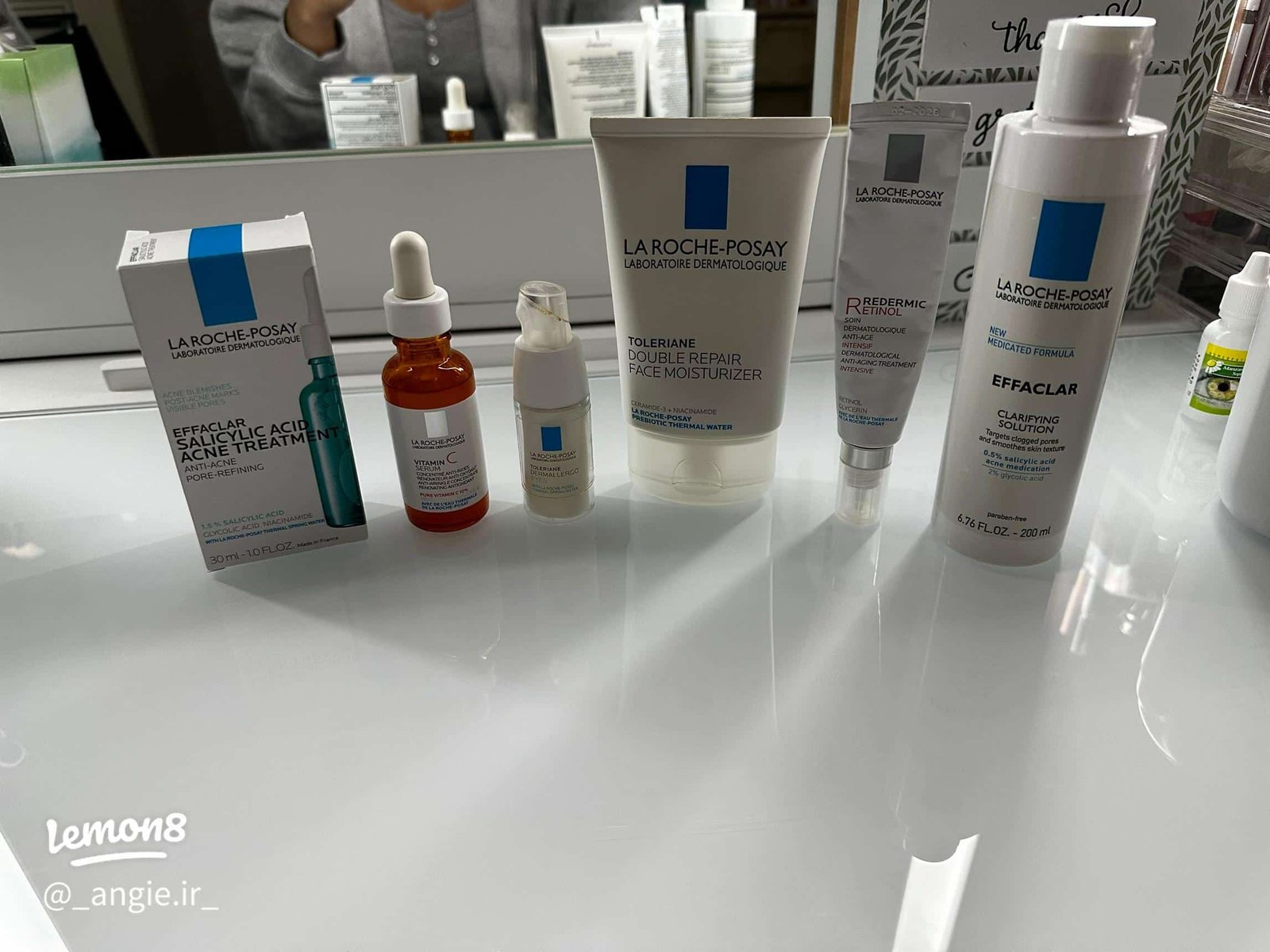
Best Skincare for Breakouts: Clear Skin in 2026
The Ultimate Guide to the Best Skincare for Breakouts: Clear, Healthy Skin in 2026
Breakouts don’t discriminate. Whether you’re battling teenage hormonal pimples, adult cystic acne that appears overnight on your jawline, or stubborn blackheads that refuse to budge no matter how often you wash your face, one thing is clear: the right skincare routine can transform your skin. In 2026, with dermatologist-backed formulations, accessible over-the-counter actives, and a deeper understanding of the skin microbiome, achieving clear skin is more realistic than ever—without harsh prescriptions or endless trial-and-error.

This comprehensive 2800-word guide dives deep into the science of breakouts, the most effective ingredients, a complete daily routine proven to work, and the top product recommendations (complete with visuals so you know exactly what to look for). We’ll cover lifestyle tweaks, common mistakes that sabotage progress, and when it’s time to see a professional. By the end, you’ll have a personalized roadmap to calmer, clearer skin. Let’s get started—your glow-up begins now.
Understanding Breakouts: Why Your Skin Rebels
Breakouts, or acne vulgaris, occur when hair follicles (pores) become clogged with oil, dead skin cells, and bacteria. The four main culprits are excess sebum production, hyperkeratinization (buildup of dead cells), Cutibacterium acnes bacteria overgrowth, and inflammation.
Hormones play a starring role. Androgens like testosterone spike during puberty, menstrual cycles, stress (hello, cortisol), or conditions like PCOS, triggering oil glands into overdrive. Diet matters too—high-glycemic foods and dairy can worsen inflammation for many. Environmental factors such as pollution, humidity, and even touching your face transfer bacteria and debris.
There are different types of breakouts:
- Whiteheads and blackheads (comedonal acne): Non-inflammatory clogs.
- Papules and pustules: Red, inflamed bumps.
- Cystic and nodular acne: Deep, painful, and scarring-prone.
Genetics, skin barrier health, and even your pillowcase fabric influence severity. The good news? Targeted skincare addresses every stage of the acne lifecycle—preventing clogs, killing bacteria, reducing oil, calming redness, and speeding healing. Consistent use (patience is key—results often take 4–12 weeks) combined with gentle care prevents the purge-and-panic cycle many experience.
The Powerhouse Ingredients That Actually Work
Science has spoken: certain actives outperform others for breakouts. Here’s your 2026 cheat sheet, backed by dermatologists and clinical data.
1. Benzoyl Peroxide (BP) This antibacterial superstar kills C. acnes on contact, exfoliates, and reduces oil. Available in 2.5–10% strengths, lower concentrations (2.5–5%) are just as effective with less irritation. Use in washes or spot treatments. Newer formulas in 2026 pair BP with niacinamide or soothing agents to minimize dryness.

2. Salicylic Acid (BHA) Oil-soluble and pore-penetrating, salicylic acid (0.5–2%) dissolves blackheads, whiteheads, and excess sebum while reducing inflammation. Ideal for oily or combination skin. It’s gentler than harsher exfoliants and works daily in cleansers, toners, or leave-on exfoliants.

3. Adapalene (Retinoid) The OTC retinoid hero (0.1% in Differin) normalizes cell turnover, prevents clogs, and fades post-acne marks. It’s less irritating than prescription tretinoin but still powerhouse-effective. Start slow—every other night—to avoid purging (temporary worsening as deep clogs surface).

4. Niacinamide This vitamin B3 multitasker (5–10%) regulates oil, strengthens the barrier, reduces redness, and minimizes pores. It plays nicely with every other active, making it perfect for sensitive, acne-prone skin. Clinical studies show it rivals some prescription options for mild-moderate acne.

5. Other Standouts
- Azelaic acid: Brightens, calms, and fights bacteria—great for rosacea-like acne or pigmentation.
- Sulfur: Dries pimples gently without over-stripping.
- Ceramides and hyaluronic acid: Essential for barrier repair so actives don’t cause rebound oiliness or irritation.
Always patch-test new products. Combine actives wisely (e.g., BP in the morning, retinoid at night) and buffer with moisturizer.
Your Step-by-Step Skincare Routine for Breakouts
Consistency beats perfection. A simple, evidence-based routine prevents overwhelm while delivering results. Tailor to your skin type (oily, dry, sensitive) and start with fewer actives if you’re new.
Morning Routine (Protect and Prevent)
- Cleanser (1 minute): Gentle foaming formula removes overnight oil without stripping.
- Treatment Serum (niacinamide or salicylic acid): Targets oil and inflammation.
- Moisturizer: Lightweight, non-comedogenic, barrier-supporting.
- Sunscreen (SPF 30+): Non-negotiable—UV rays worsen acne and scars. Choose mattifying, oil-free formulas with niacinamide or zinc.

Evening Routine (Repair and Renew)
- Double Cleanse (if wearing makeup/sunscreen): Oil cleanser first, then foaming.
- Exfoliant/Toner (BHA or clarifying): Unclogs pores.
- Targeted Treatment (retinoid, BP, or multi-action cream): Fights active breakouts.
- Moisturizer: Same as morning or richer if dry.
- Spot Treatment (optional): On stubborn pimples.
Weekly Add-Ons: Gentle mask (clay or sulfur) 1–2x/week. Avoid physical scrubs—they inflame.
Introduce one new active every 2 weeks. Hydrate internally (drink water) and externally (humectants). Expect 4–6 weeks for visible improvement; 12 weeks for major clearing.
Top Product Recommendations: 2026’s Best for Breakouts
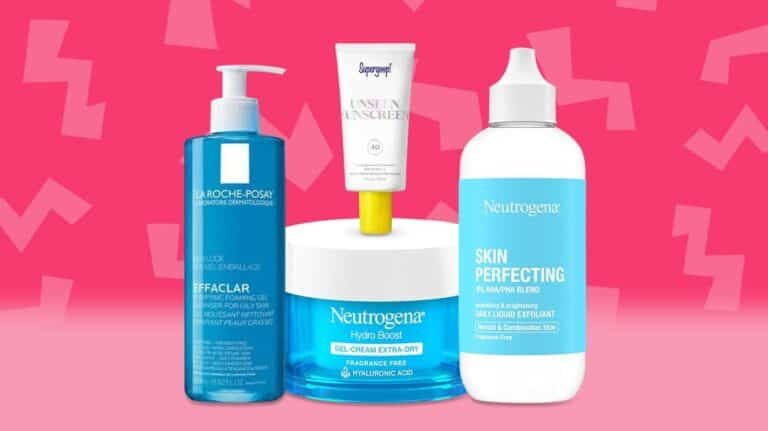
Here are dermatologist-favorite, accessible options that deliver real results. Prices range from drugstore to mid-tier—effective without breaking the bank.
Best Gentle Cleanser: CeraVe Foaming Facial Cleanser. Developed with derms, this contains ceramides, niacinamide, and hyaluronic acid. It removes oil and makeup while preserving the skin barrier—perfect starter for acne-prone skin. A non-foaming version exists for drier types. Use twice daily. Users report less tightness and fewer breakouts within weeks.

Best Exfoliating Treatment: Paula’s Choice Skin Perfecting 2% BHA Liquid Exfoliant. This salicylic acid leave-on liquid unclogs pores, smooths texture, and shrinks pores without harsh scrubbing. Fragrance-free and suitable for all skin types. Apply after cleansing, before moisturizer. It’s a cult classic for blackhead-prone skin.

Best Retinoid for Beginners: Differin Adapalene Gel 0.1% FDA-approved OTC retinoid that prevents new breakouts and clears existing ones. Gel texture absorbs fast and layers well. Start 3x/week and build up. Many see clearer skin in 8–12 weeks with consistent use.
:max_bytes(150000):strip_icc()/Differin-Acne-Treatment-Gel-2-8bb53df3f81f4401b9aaf7ddbe28327b.jpg)
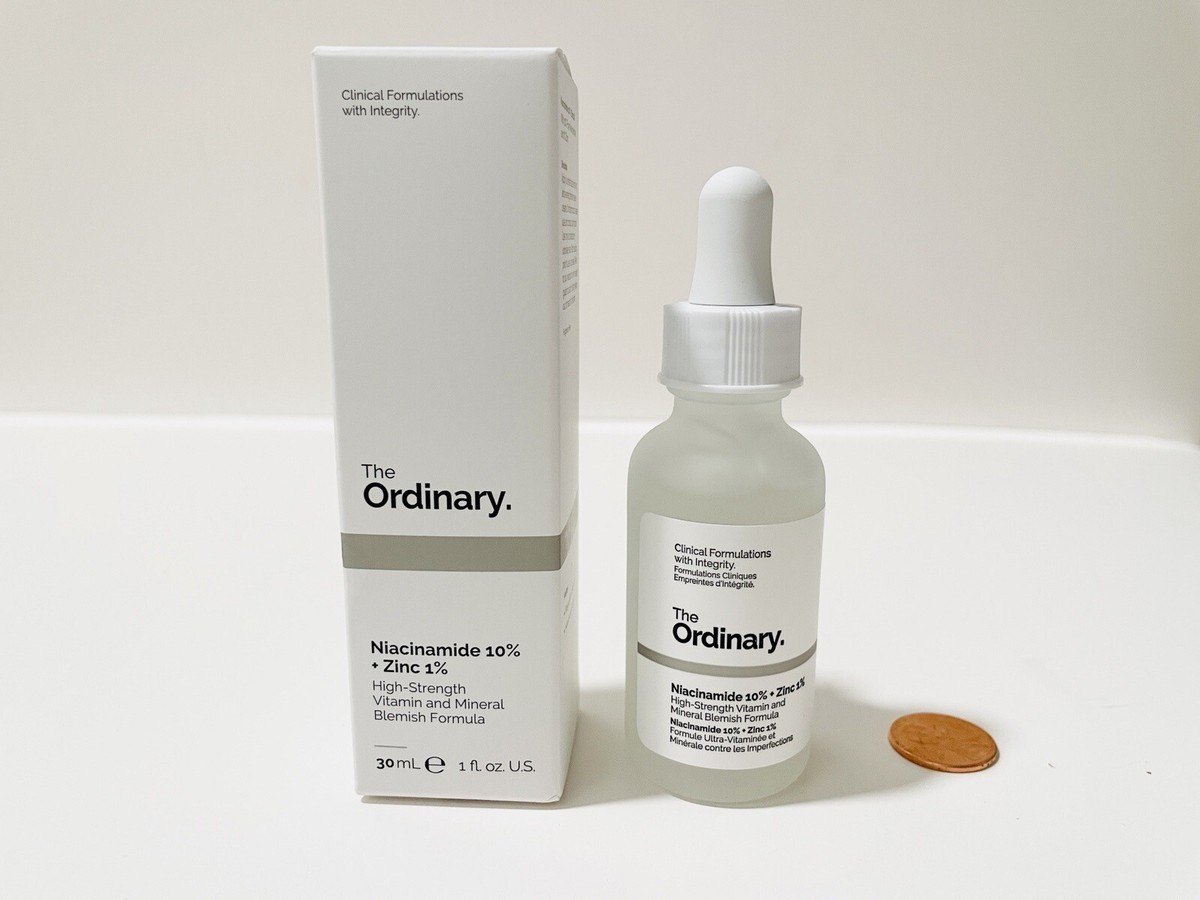
Best Oil-Control Serum: The Ordinary Niacinamide 10% + Zinc 1%. Affordable powerhouse that balances sebum, fades marks, and strengthens skin. Lightweight and fast-absorbing. Layer under moisturizer morning and night. It’s a game-changer for oily, breakout-prone complexions.
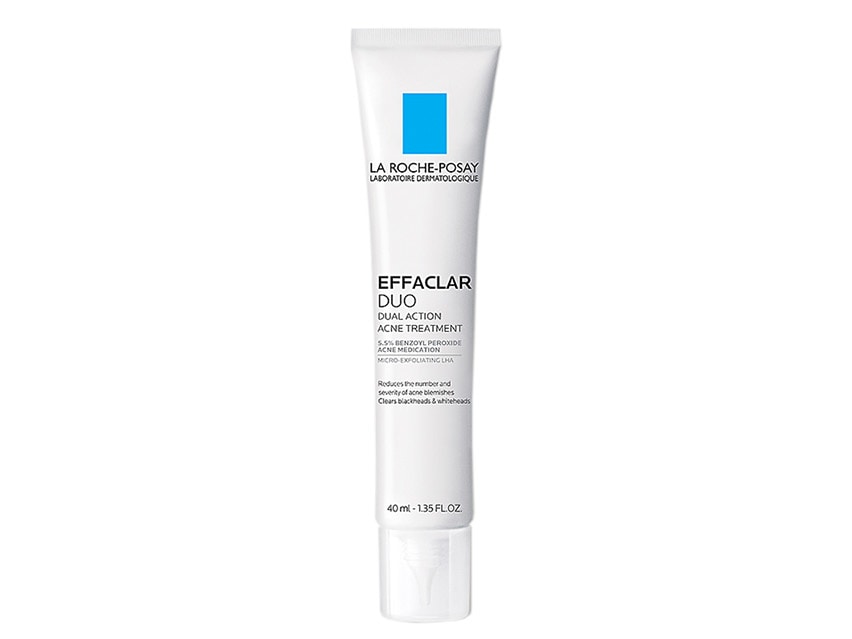
Best Multi-Action Treatment: La Roche-Posay Effaclar Duo. This dual-action cream fights pimples, blackheads, and whiteheads with benzoyl peroxide and LHA (gentle exfoliant). It also prevents marks. Lightweight, non-comedogenic, and ideal for sensitive skin. Apply as treatment or moisturizer. New 2026 versions target post-acne pigmentation too.
Best Benzoyl Peroxide Option: PanOxyl Acne Foaming Wash (10% BP). Maximum-strength wash clears existing acne and prevents new ones. Use as a short-contact treatment (leave on 1–2 minutes) 2–3x/week if full-strength feels strong. Pair with moisturizer. Highly effective for body acn,e too.

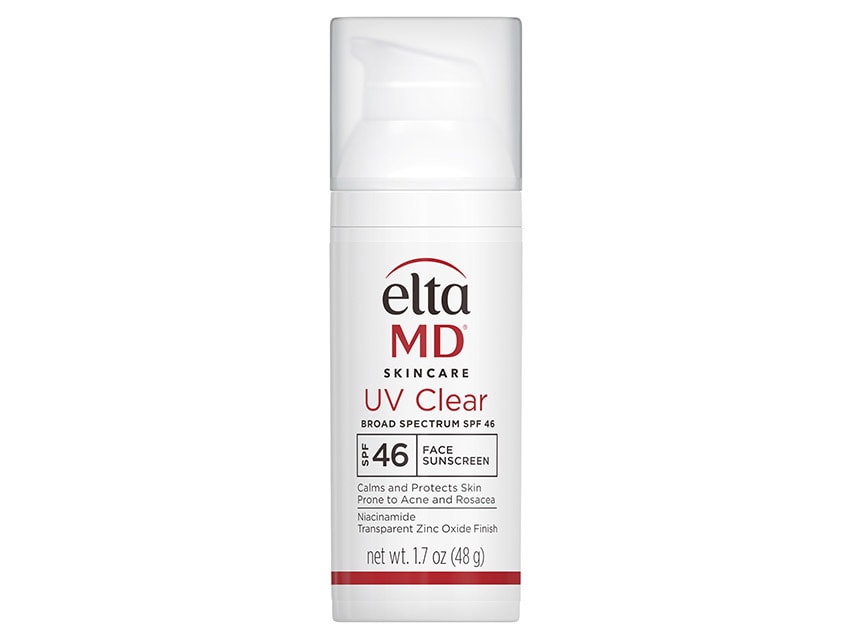
Best Sunscreen: EltaMD UV Clear Broad-Spectrum SPF 46 Oil-free, tinted or untinted options with niacinamide and zinc oxide. Calms acne-prone skin, doesn’t pill under makeup, and leaves no white cast on most tones. Reapply every 2 hours outdoors.
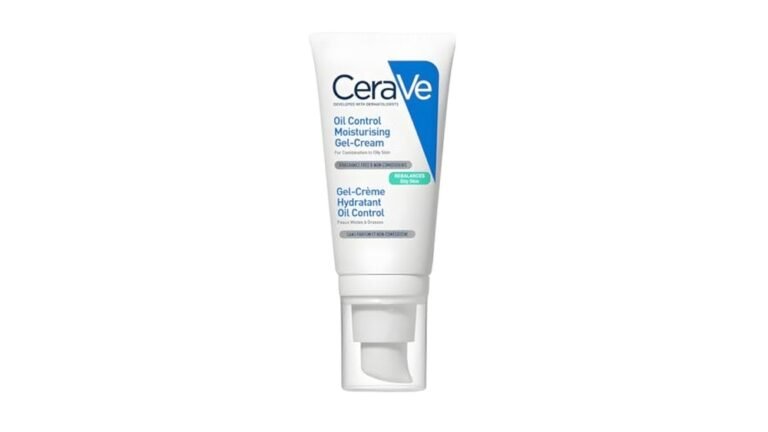
Moisturizer Tip: Pair any routine with CeraVe PM Facial Moisturizing Lotion or La Roche-Posay Effaclar H for non-greasy hydration.
Lifestyle Tips to Supercharge Your Routine
Skincare is 70% topical, 30% internal.
- Diet: Focus on low-glycemic whole foods, omega-3s (fish, flax), and antioxidants. Limit dairy and sugar if they trigger you.
- Stress Management: Meditation, sleep (7–9 hours), and exercise reduce cortisol-driven breakouts.
- Hygiene: Change pillowcases weekly, wash makeup brushes, avoid touching face.
- Hair and Makeup: Use non-comedogenic products; keep hair off face.
- Hydration and Gut Health: Water and probiotics support skin from within.
Common Mistakes That Worsen Breakouts
- Over-exfoliating (too many acids + retinoids).
- Skipping moisturizer (leads to compensatory oil production).
- Using comedogenic oils or heavy creams.
- Picking or popping (scarring risk).
- Inconsistent routines or expecting overnight miracles.
- Ignoring sunscreen (hyperpigmentation follows).
- Harsh scrubs or alcohol-heavy toners.
When to See a Dermatologist
If OTC products fail after 8–12 weeks, you have cystic acne, scarring, or hormonal signs (jawline flares), seek pro help. Options include prescription retinoids, antibiotics, spironolactone, or isotretinoin for severe cases. Tele-derm services and customized kits (like MDacne) make it easier in 2026.
Conclusion: Your Clear Skin Journey Starts Today
Breakouts are frustrating, but with the right knowledge, ingredients like benzoyl peroxide, salicylic acid, adapalene, and niacinamide, and a consistent routine featuring stars like CeraVe, Paula’s Choice, Differin, The Ordinary, La Roche-Posay, PanOxyl, and EltaMD, clear skin is achievable. Be patient, listen to your skin, and celebrate small wins—fewer pimples, calmer texture, even tone.
Start simple: gentle cleanser + one targeted active + moisturizer + SPF. Track progress with photos. Your future self (and skin) will thank you.


2 Comments