How to Keep Hair Healthy: Proven Tips for Shiny, Strong Strands
With so many products and tips out there, it can be confusing to keep your hair healthy. But you don’t need a fancy regimen or pricey treatments. How to Keep Hair Healthy: what your hair needs and how to make good choices every day.
Straight, wavy or curly, a few simple habits can make a world of difference. Let’s get into what actually works for strong, shiny hair.
Daily Habits That Save Hair
Your daily routine is a major contributor to hair health. Making small changes to the way you care for your hair can prevent breakage, dryness and split ends.
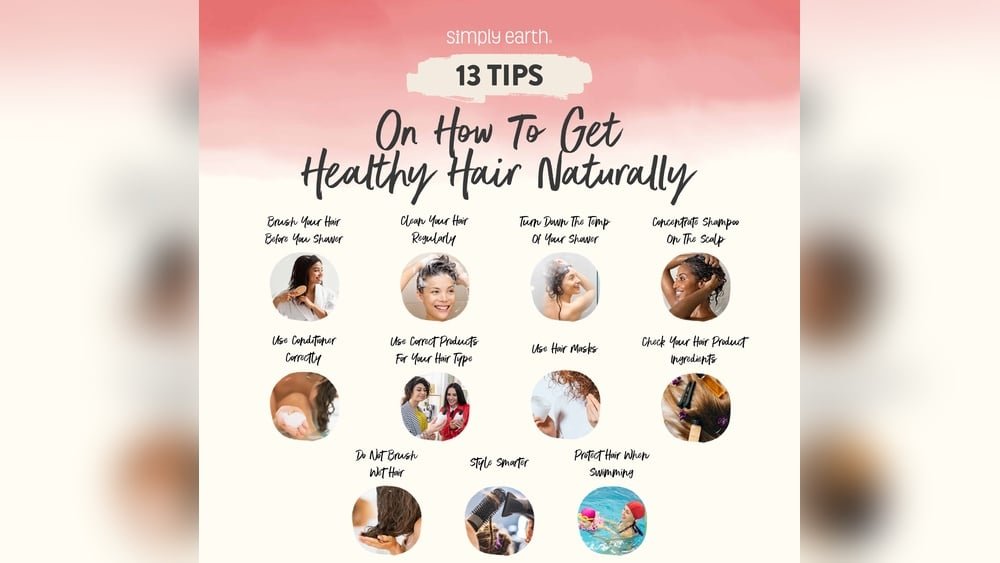
- Gentle washing: Daily hair washing strips natural oils. Most people do best washing 2-3 times a week. If your scalp becomes oily, wash with a mild shampoo and rinse with cool water.
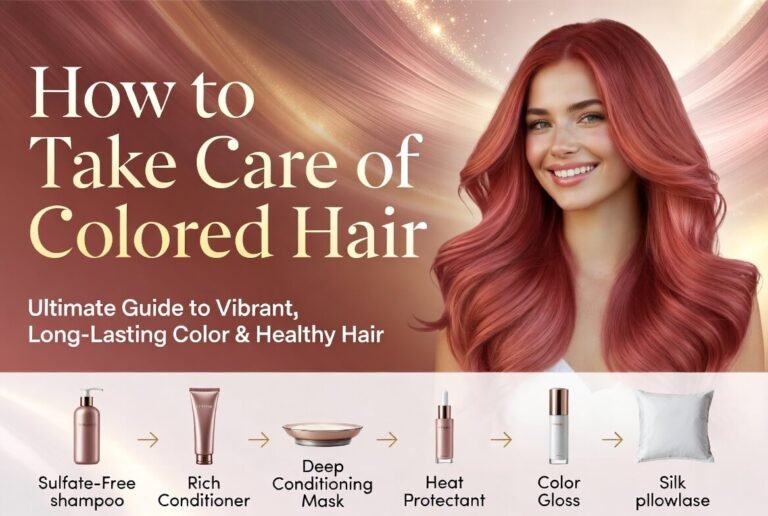
- Pick the right shampoo: If your hair is dry or coloured, go for sulfate-free products. Sulphates can strip moisture and make dryness worse.
- Regular conditioning: Always follow shampoo with conditioner. Don’t apply to scalp – weigh down the hair, focus on the ends.
- Pat, don’t rub: After washing, gently blot hair with towel. Rubbing creates friction and split ends.
A lot of people don’t brush their hair. Use a wide tooth comb on wet hair to prevent breakage. Start from the tips.
Nutrients for Beautiful Hair
Your hair is like your skin and nails in that what you eat matters. A well-rounded diet supplies the nutrients hair needs to grow and stay healthy.
| Nutrients | Effect on Hair Health | Food Sources: |
|---|---|---|
| Prot in | Builds the structure of hair | Fish Eggs Beans |
| Fe | Prevents hair falling | Red Meat, Lentils, Spinach |
| Biotin (Vitamin B7) | Promotes Hair Growth | Sweet potatoes, nuts, eggs |
| Vitamin E – E | Protect the hair and scalp | Almonds, sunflower seeds |
Deprived of these nutrients, hair can become dull and thin. For instance, iron deficiency is a common cause of hair loss, especially in women. If you notice sudden changes in your hair, check your diet.
Intelligent Styling Decisions
Styling tools and products can create great looks, but careless use can damage hair. This is how to style safely:
- Limit heat: Blow dryers, flat irons and curling wands can dry out and weaken hair. Use on the lowest setting and always use a heat protectant spray.
- Pulling ponytails and braids too tightly can cause traction alopecia — hair loss from tension.
- Choose the right products: Use lightweight oils or leave-in conditioners for shine but avoid heavy waxes that can build up.
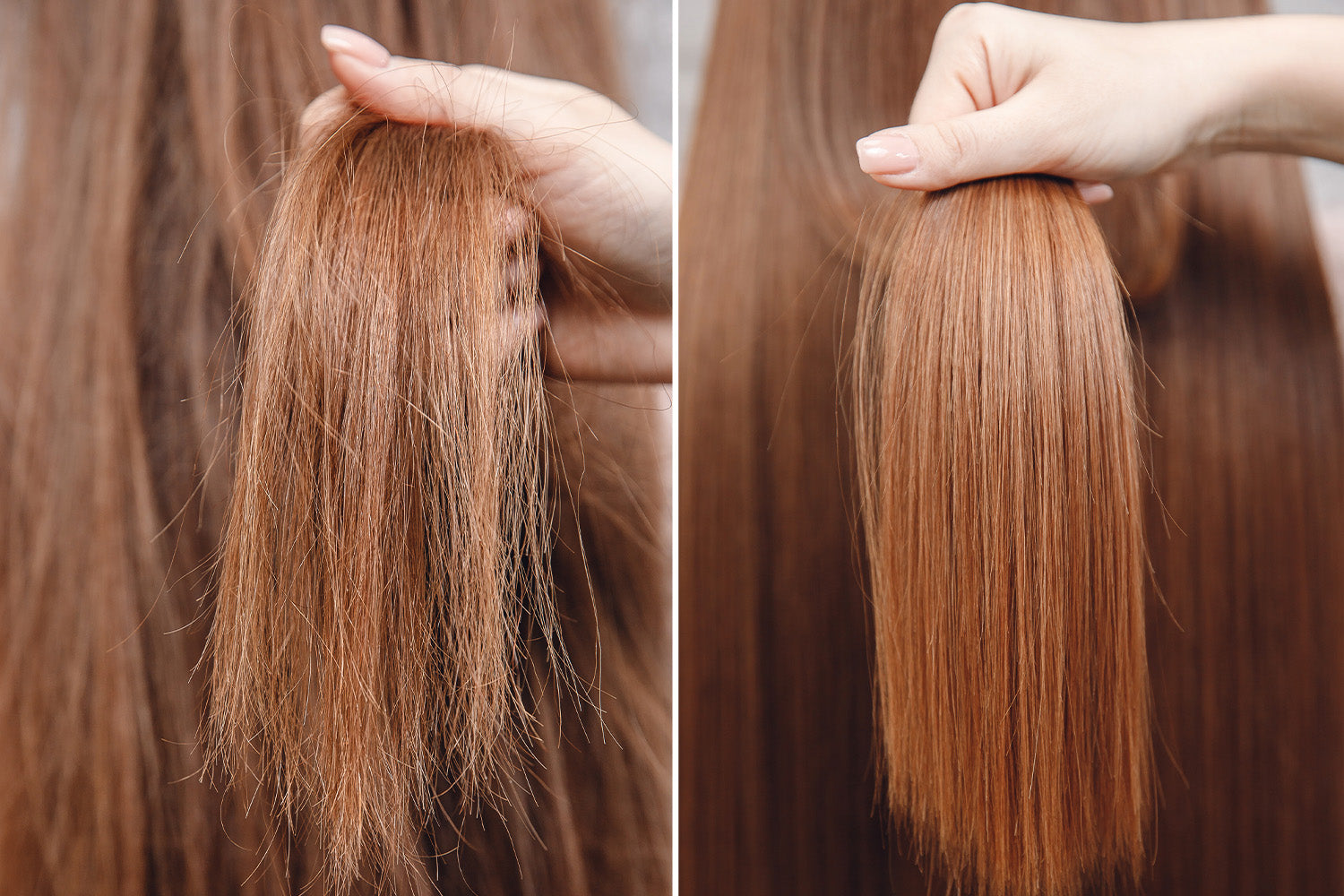
- Regular Trimming Cutting the ends every 6 to 8 weeks keeps split ends from travelling up the hair shaft.
Another common mistake is over-using the product, which can lead to greasy-looking hair and dirt attraction. Start with a little and add more if necessary.
Environmental factors to look out for
The health of your hair is also affected by your environment. The sun, pollution and water quality can be factors.
| Environmental Influence | Effects of Hair | How to Defend |
|---|---|---|
| Sunlight exposure | Discolours, dries out hair | Use UV protectant sprays, wear hats |
| Pollution | Builds up on scalp, harms hair | When you’ve been outside wash hair, use clarifying shampoo once a week |
| Water, heavy | Causes dullness and build up | Use a water filter or chelating shampoo: |
If you swim in pools, rinse your hair before and after. Chlorine can strip away natural oils and leave hair brittle.
Scalp Care: The Basics
Healthy hair starts with a healthy scalp. A lot of people only think about the hair and forget about the scalp care.
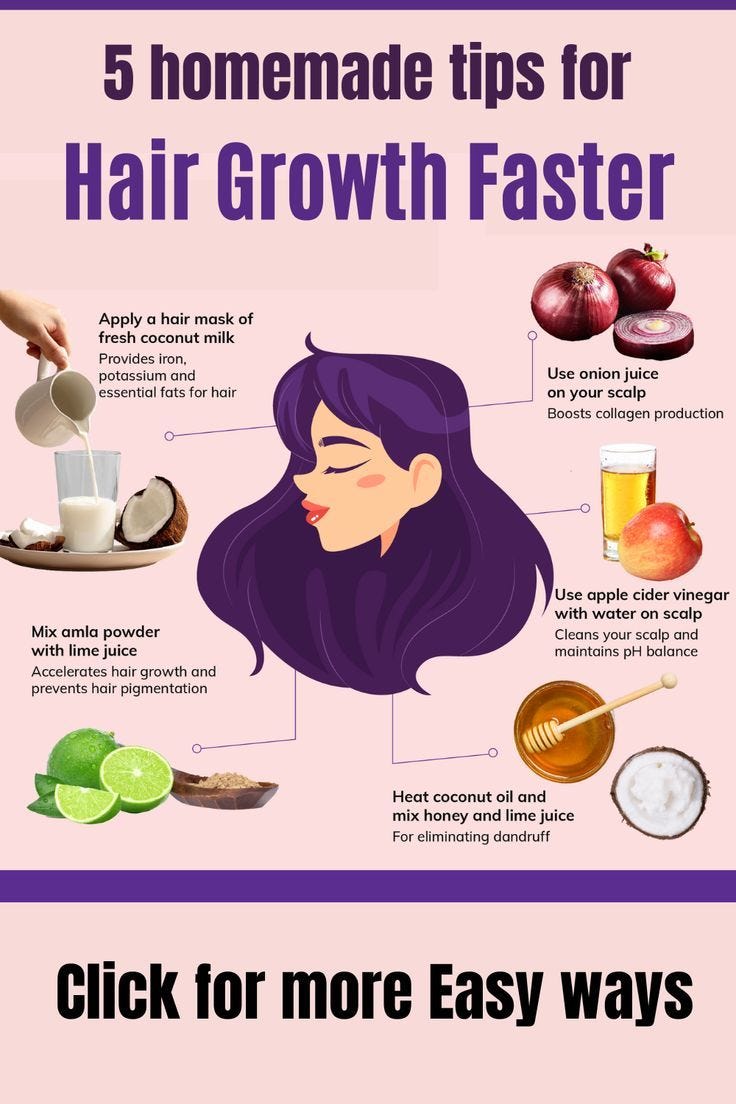
- Scalp massage: A scalp massage increases blood flow and promotes hair growth. Use your fingertips in gentle circular motions for a few minutes daily.
- Keep Clean: No oil and product build-up. If you use a lot of styling products, use a clarifying shampoo once per week.
- Dandruff: Flakes are usually a sign of dryness or fungus. If necessary, try an anti-dandruff shampoo containing zinc or ketoconazole.
A tip easy to forget: Don’t scratch your scalp with fingernails or sharp combs. This can result in tiny wounds and even infections.
Hair Facts and Myths
A lot of myths about hair care tips. You think that really damages your hair.
| Myth | Reality |
|---|---|
| Hair Grows Faster When You Cut It | Trims keep split ends away but don’t affect the speed of growth |
| It is good to brush a 100 times a day | Overbrushing causes breakage |
| Cold water add shine to hair | Shine little affected by water temperature |
| Switching shampoos keeps buildup at bay | Buildup is due to products, not type of shampoo |
Another non-obvious insight: If you notice more hair falling out during seasonal changes, it’s usually normal. Hair grows in cycles, and you’re more likely to lose hair in the autumn and spring.
When to Get Help
Sometimes hair problems need more than home remedies. If you notice See a dermatologist
- Sudden or spotty hair loss
- Chronic itch or redness of the scalp
- breaking hair at the roots
These can be symptoms of medical conditions such as thyroid problems or scalp infections. Getting treatment early can prevent permanent hair loss.
Frequently Asked Questions (FAQs)
How Frequently Should I Wash My Hair?
It is contingent upon your hair type and level of activity. Most people do fine washing 2-3 days. If you exercise a lot or have oily hair you may need to wash more often.
How to avoid split ends?
Wash your hair with conditioner every time and avoid heat styling as much as possible, and get your hair trimmed every 6-8 weeks. Split ends cannot be repaired. Only removed.
Can Stress Lead to Hair Loss?
Yes , high stress can cause a condition called telogen effluvium . With this condition more hair than normal falls out . A healthy lifestyle and stress management can help the hair to heal.
But does cost equal a better hair product?
Not always so. The best products are the ones that work for your hair. Even drugstore brands can work if you pick the right formula. For more about product ingredients, please visit FDA’s cosmetic ingredients page.
Does cutting my hair often make it grow faster?
Cutting does not affect growth from the scalp, but it does remove the damaged ends. How fast your hair grows is a function of your genes and your health.
Healthy hair isn’t only a product deal. A good diet, smart habits and consistent care will protect your hair for the long haul. Use these tips to achieve hair that looks and feels great every day.