What Is a Good Hair Routine: 3 Essential Steps for Healthy Hair in 2026
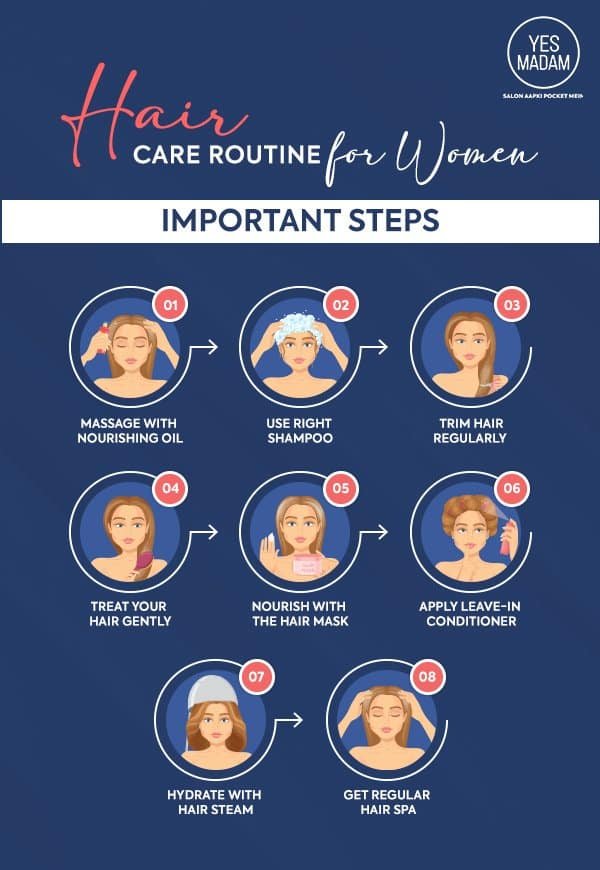
What Is a Good Hair Routine comes down to three steps: cleanse the scalp, hydrate the strands, and protect the fibers from physical damage. You repeat this cycle two to three times per week for medium hair, while very oily scalps need daily washing and tight curls need only weekly care.
Your simple hair routine
- Wash oily scalps every 1 to 2 days, but wash dry or textured hair every 5 to 7 days.
- Apply a quarter-sized amount of shampoo directly to your scalp skin, not the hair ends.
- Smooth conditioner over wet mid-lengths to ends, then wait 2 to 3 minutes before rinsing.
- Use heat styling tools below 350 degrees Fahrenheit, and apply a heat spray before hot tools touch dry hair.
- Detangle wet hair using a wide-tooth comb, starting 2 inches from the ends and moving upward.
- Check your pillowcase material, swapping rough cotton for satin or silk to cut friction breakage overnight.
Why hair health depends on the scalp
Hair fibers are dead proteins called keratin, so your routine can’t bring damaged lengths back to life. Real hair health depends almost entirely on the scalp follicle. The scalp produces sebum, a natural wax that coats the root. If sebum builds up for more than four days on an active scalp, naturally occurring yeast feeds on it and triggers inflammation, shedding, and flaking.
The American Academy of Dermatology guidance on washing confirms that washing should focus strictly on cleaning the scalp rather than scrubbing the hair shaft. Stripping the hair strands with aggressive surfactants raises the outer cuticle layer. Once this cuticle lifts, moisture escapes, making the fiber porous and brittle. Conditioning balances this by closing the cuticle cells down flat with positive electrical charges.
A trade-off exists between deep scalp cleansing and strand softness: clarifying shampoos remove all heavy scalp oils, but they leave dry ends tangled and fragile. This routine isn’t for people with active medical scalp conditions like severe psoriasis, who need medicated prescription lotions instead of cosmetic hair products. The exact amount of sebum you make varies by individual genetics and climate, so check your root line in a mirror by midday to see how fast oil appears.
When the answer is different
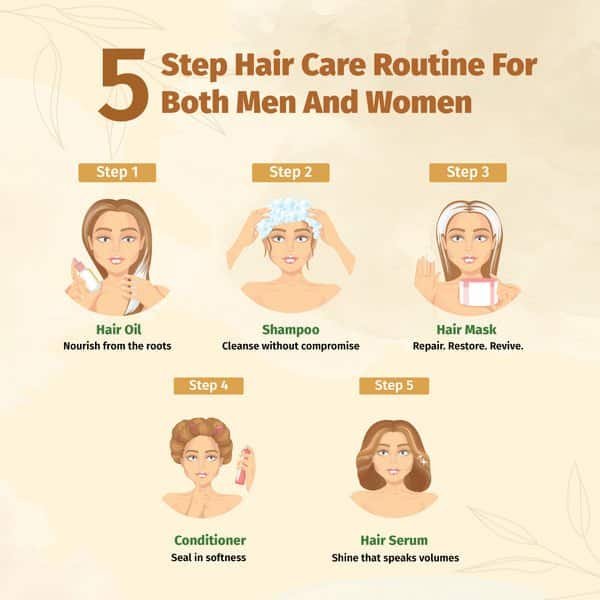
Different scalp types and strand patterns need adjustments to the basic wash schedule.
| Situation | What changes | What to do instead |
|---|---|---|
| Very oily scalp | Sebum covers roots in 12 hours | Wash daily with gentle clarifying shampoo |
| Coarse, tight curls | Natural oil can’t travel down coils | Wash every 7 days using cleansing conditioner |
| Bleached or colored strands | Cuticle layer is chemically porous | Use protein masks weekly; avoid hot water |
| Active dandruff flakes | Scalp carries excess fungal growth | Alternate zinc pyrithione shampoo twice weekly |
| Swimmer in chlorinated pools | Chemical deposits strip natural lipids | Apply leave-in balm before pool; rinse immediately |
| Fine, flat hair | Conditioning creams weigh roots down | Apply conditioner only to bottom 2 inches |
How to do it properly
- Wet your hair fully with lukewarm water for 60 seconds so the water reaches the skin under thick sections.
- Pour one nickel-sized coin of shampoo into your palms and massage it into your scalp using your finger pads for 2 minutes.
- Rinse the shampoo down with running water for 30 seconds; let the flowing suds naturally clean your ends without scrubbing them.
- Squeeze out dripping water with your hands until hair is damp, ensuring your conditioner won’t slide off immediately.
- Spread a quarter-sized dollop of conditioner through mid-lengths and ends, keeping it 3 inches away from your scalp roots.
- Leave the conditioner on for 3 minutes, gently separating knots with a wide-tooth comb until the teeth pass through smoothly.
- Rinse with cool water for 45 seconds until the slick feel is gone and the hair feels smooth.
- Press a microfiber towel over your head for 5 minutes to soak up moisture; don’t rub strands back and forth.
The mistakes that ruin it
- Scrubbing the hair ends directly with shampoo strips essential outer lipids and costs you length over time through split ends.
- Brushing dry, textured hair with fine-bristle brushes snaps the cortex, causing split ends and uneven frizz.
- Applying heavy conditioner to the scalp clogs hair follicles and causes greasy roots within hours of washing.
- Skipping heat protectant spray before flat ironing causes heat blister bubbles inside the cortex that you must cut off.
Frequently asked questions
Can I wash my hair every day?
Yes, if your scalp gets visibly shiny or greasy by evening. People with fine hair or active gym routines often need daily washing. Use a mild, sulfate-free formula so you don’t dry out your skin barrier. If your scalp feels tight or dry, cut back to washing regularly.
Why does my hair feel dry after conditioning?
Your conditioner likely has ingredients your hair can’t absorb, or your strands have heavy mineral buildup from hard tap water. Hard water minerals stop moisture from entering the fiber core. Use a chelating shampoo once a month to clear mineral deposits, then apply a rich hydrating mask.
How long should I leave a hair mask on?
Leave standard hair masks on for 5 to 10 minutes. Leaving cosmetic masks on longer, or sleeping in them overnight, doesn’t add moisture. In fact, keeping the hair shaft wet for hours weakens the protein bonds. Follow the package time, then rinse completely with warm water.
Is it safe to blow-dry wet hair every week?
Yes, as long as you hold the dryer 6 inches away from your head on medium heat. If your hair is soaking wet, air-dry it halfway first; if it’s already damp, use your heat spray and begin styling right away. Never touch the dryer nozzle directly to your hair fibers.
What happens if I use hot water to wash my hair?
Hot water strips the natural protective oils off your scalp and forces your cuticle layer open. This leaves your hair strands dull, frizzy, and prone to color loss. Wash your roots with lukewarm water instead, and finish your final rinse with cool water to smooth the cuticle down.
Does it matter if I brush hair while it’s wet?
Yes, because wet hair stretches and snaps much easier than dry hair. The internal protein bonds are temporarily weakened by water molecules. Use only a wide-tooth comb or a brush made specifically for wet strands, working slowly from the bottom ends up toward the scalp.
Final Thoughts
Consistency is the real secret to seeing results, so don’t get discouraged if your hair doesn’t change overnight. Pay close attention to how your locks feel after a few weeks, and don’t be afraid to swap out a product if it isn’t working. You’ll find your perfect rhythm soon enough.